
Did you know that over 60% of pet owners in the United States are now looking for fresher alternatives to commercial kibble? This shift toward transparency in nutrition is changing how we care for our furry best friends.
Indie, a spirited English Shepherd, became a famous taste-tester who inspired thousands of owners to start cooking in their own kitchens. Her journey proves that fresh, nutrient-dense food can truly transform a pet’s vitality and happiness.
Preparing wholesome meals at home allows you to control exactly what goes into your companion’s bowl. It is a rewarding way to foster a deeper bond while ensuring your pet receives high-quality ingredients every single day.
By following simple Homemade & Recipes for Dog, you can turn every mealtime into a joyful experience. Let us explore how to create balanced, delicious food that supports your pet’s long-term health.
Key Takeaways
- Cooking at home provides complete control over ingredient quality.
- Fresh meals can significantly boost your pet’s energy and coat health.
- Simple preparation methods make healthy feeding accessible for everyone.
- Building a strong bond starts with the care you put into their bowl.
- Focus on balanced nutrition to support your companion’s longevity.
The Benefits of Preparing Homemade Dog Meals
Taking charge of your dog’s nutrition starts right in your own kitchen. By moving away from processed options, you gain the freedom to explore various homemade dog recipes that prioritize your pet’s specific health needs.
Nutritional Control and Ingredient Quality
Preparing meals at home allows you to maintain complete control over the quality and source of every ingredient that enters your dog’s bowl. You no longer have to guess what fillers or additives might be hidden in commercial bags.
When you select fresh, whole foods, you are actively investing in your dog’s long-term vitality. Using high-quality proteins and fresh produce ensures that your pet receives the best possible fuel for their daily adventures.
Managing Allergies and Sensitivities
This approach is particularly beneficial for pets with specific food sensitivities or allergies that require a strictly limited ingredient diet. Many store-bought options contain common allergens that can trigger skin irritation or digestive distress.
By crafting your own meals, you can easily eliminate problematic components. This level of customization is a major advantage of using homemade dog recipes to keep your companion feeling their absolute best.
Strengthening the Bond Through Cooking
Beyond the physical health advantages, the time spent in the kitchen preparing these meals serves as a wonderful way to strengthen the emotional bond you share with your pet. Your dog will surely notice the extra care and love poured into every bowl.
Cooking for your furry friend transforms a routine chore into a meaningful ritual of care. Embracing homemade dog recipes is not just about nutrition; it is about celebrating the unique connection you have with your loyal companion.
Essential Nutritional Requirements for Canines
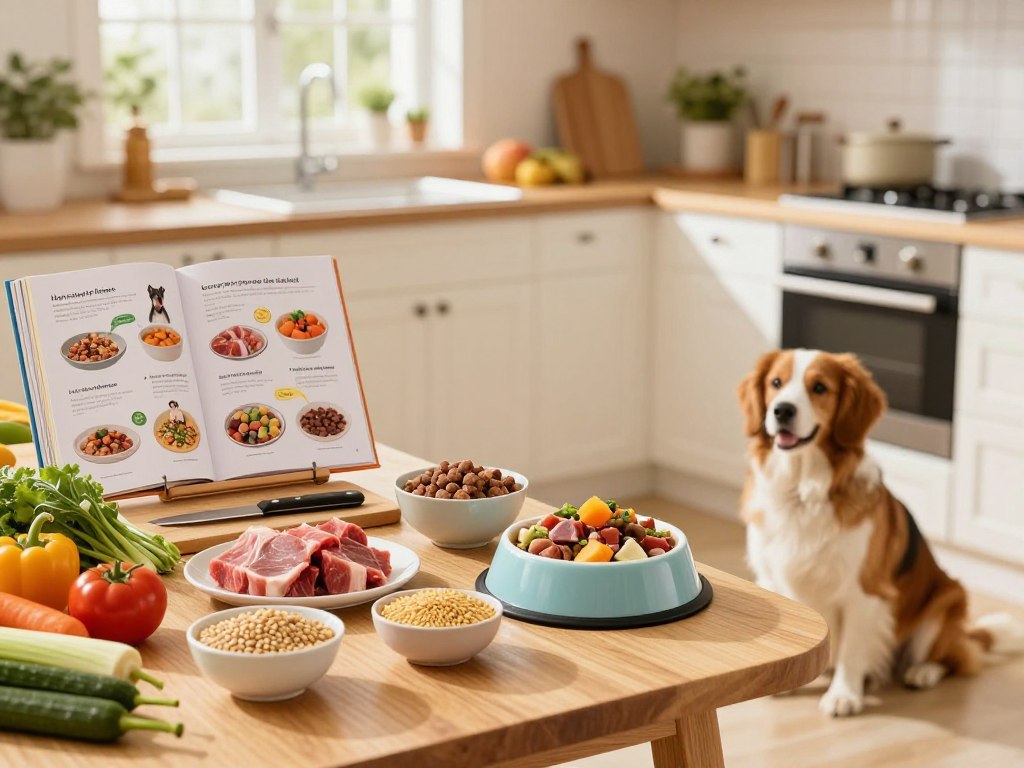
Creating healthy dog food recipes requires a solid grasp of canine nutritional science. When you take control of your pet’s diet, you ensure they receive the precise fuel needed for their daily adventures. A balanced bowl is the foundation of a long, vibrant life for your furry companion.
Understanding Protein, Fats, and Carbohydrates
Protein serves as the primary building block for your dog’s muscles, skin, and coat. High-quality sources like chicken, beef, or fish provide the essential amino acids necessary for optimal health. You should aim to include these proteins in your homemade dog food recipes to support tissue repair and growth.
Healthy fats are equally vital, as they provide concentrated energy and support brain function. Meanwhile, complex carbohydrates offer a steady release of fuel throughout the day. Balancing these three macronutrients ensures your dog maintains a healthy weight and consistent energy levels.
The Importance of Vitamins and Minerals
Beyond the main macronutrients, your dog requires a specific profile of vitamins and minerals to thrive. These micronutrients support everything from immune system strength to bone density and vision. When you prepare dog food recipes at home, consider incorporating fresh, nutrient-dense ingredients to meet these needs naturally.
Calcium, phosphorus, and zinc are just a few examples of minerals that play a critical role in skeletal health. Vitamins like A, D, and E contribute to a shiny coat and healthy skin. Always remember that variety in your ingredient selection helps bridge potential nutritional gaps.
Foods to Avoid at All Costs
While many human foods are safe, some are strictly off-limits due to their toxicity to canines. Even small amounts of these items can cause severe health complications or emergency situations. You must be vigilant when selecting ingredients for your dog food recipes to keep your pet safe.
Please ensure the following items are never included in your kitchen preparations:
- Onions and Garlic: These can damage red blood cells and cause anemia.
- Grapes and Raisins: These are known to cause sudden kidney failure in dogs.
- Chocolate: Contains theobromine, which is highly toxic to the canine heart and nervous system.
- Mushrooms: Certain wild varieties contain toxins that can be fatal.
Setting Up Your Kitchen for Success
A well-organized kitchen is the secret to consistently serving nutritious homemade dog meals. By creating a dedicated space for your pet’s nutrition, you turn a daily chore into a rewarding part of your routine. This preparation ensures that your dog receives high-quality food without unnecessary stress.
Necessary Tools and Equipment
To streamline your cooking process, you should invest in a few reliable kitchen staples. A high-quality pressure cooker is excellent for tenderizing tough cuts of meat and preserving nutrients. You will also need durable stainless steel pots and a set of sharp knives for precise ingredient preparation.
Having a dedicated cutting board for your pet’s food helps prevent cross-contamination with human meals. Consider using a digital scale to ensure your portions remain consistent every time you cook. These simple tools make the entire process of creating homemade dog meals much more efficient.
Safe Storage and Meal Prep Techniques
Proper storage is vital for maintaining the freshness and safety of your pet’s food. Use airtight glass or BPA-free plastic containers to keep ingredients organized in your refrigerator or freezer. Most dogs prefer their food served at room temperature or slightly chilled, so plan your thawing schedule accordingly.
Batch cooking allows you to prepare several days’ worth of food at once. Once cooked, portion the meals into individual containers before freezing them to save time during busy work weeks. This method ensures that you always have a healthy meal ready for your furry friend.
Sanitation Standards for Pet Food Preparation
Maintaining high sanitation standards is critical to prevent bacterial growth in your pet’s food. Always wash your hands, utensils, and surfaces thoroughly before and after handling raw ingredients. Cleanliness is the best defense against foodborne illnesses that could affect your dog.
Regularly sanitize your storage containers and feeding bowls to keep them free from residue. By following these strict guidelines, you ensure that every bowl of homemade dog meals is safe and healthy. A clean kitchen environment is the foundation of a happy, thriving pet.
| Equipment Item | Primary Purpose | Maintenance Tip |
|---|---|---|
| Pressure Cooker | Fast, nutrient-dense cooking | Clean seals after every use |
| Digital Scale | Accurate portion control | Wipe with damp cloth |
| Glass Containers | Safe, airtight storage | Dishwasher safe |
| Dedicated Knife | Precise ingredient prep | Hand wash and dry immediately |
Understanding Homemade & Recipes for Dog Safety
Preparing fresh meals for your canine companion requires more than just a love for cooking; it demands a commitment to safety. While the idea of crafting your own meals is rewarding, you must ensure that every bowl meets your pet’s unique biological needs. Using high-quality Homemade & Recipes for Dog is a great start, but safety protocols are the foundation of a healthy lifestyle.

Consulting with Your Veterinarian First
Before you make any significant changes to your pet’s diet, it is imperative to consult with a licensed veterinarian. A professional can evaluate your dog’s current health status and identify specific dietary requirements. Always seek expert guidance if there is a sudden shift in your dog’s behavior or eating habits after you introduce new food.
Balancing Recipes for Long-Term Health
Achieving a balanced diet is the most challenging aspect of home cooking. You must pay careful attention to nutrient density to ensure your pet receives the right vitamins and minerals over time. Relying on trusted Homemade & Recipes for Dog helps, but you should verify that the ratios of protein, fats, and carbohydrates remain consistent. Long-term health depends on avoiding nutritional gaps that could lead to illness.
Recognizing Signs of Nutritional Deficiencies
You should monitor your dog closely for any physical or behavioral changes that might indicate an imbalance. Common warning signs include a dull coat, unexplained lethargy, or persistent digestive issues. If you notice these symptoms, prioritize professional medical advice immediately to adjust your approach. Staying observant ensures that your homemade meals continue to support your dog’s vitality and happiness for years to come.
Simple Protein-Based Meal Foundations
Building a nutritious diet for your dog starts with selecting the right protein sources. Protein acts as the essential building block for your pet, supporting muscle maintenance, tissue repair, and overall energy levels. By focusing on high-quality ingredients, you provide the foundation for a long and healthy life.
Selecting High-Quality Meat Sources
When shopping for your dog’s meals, prioritize lean cuts of meat. Options like ground chicken, turkey, or beef are excellent choices because they are easy to portion and cook. Always look for fresh, human-grade products to ensure your dog receives the best possible nutrition without unnecessary additives or fillers.
Proper Cooking Temperatures for Safety
Safety is the most important part of preparing homemade meals. You should always sauté your ground meats in a pan until they are fully crumbled and lightly browned. This process ensures that any potential pathogens are eliminated, making the food safe and palatable for your furry friend.
Avoid serving raw or undercooked meat, as it can harbor harmful bacteria. Once the meat is browned, you can safely mix it with other healthy ingredients like vegetables or grains. Proper heat application is the best way to protect your dog from foodborne illnesses.
Incorporating Organ Meats for Nutrient Density
Muscle meat alone often lacks the full spectrum of vitamins and minerals a dog needs. Adding organ meats, such as liver or heart, significantly boosts the nutrient density of your homemade recipes. These ingredients provide vital nutrients that are naturally concentrated and highly bioavailable.
Start by introducing small amounts of organ meat to your dog’s bowl to ensure they tolerate the richness well. Over time, these additions will create a more balanced and complete meal profile. Use the following guide to understand the roles of different protein components in your dog’s diet.
| Protein Type | Primary Benefit | Preparation Tip |
|---|---|---|
| Ground Chicken | Lean muscle support | Sauté until fully browned |
| Beef Heart | Rich in taurine | Dice into small pieces |
| Turkey Liver | Vitamin A and Iron | Use sparingly as a topper |
| Lean Ground Beef | High-quality amino acids | Drain excess fat after cooking |
Incorporating Healthy Vegetables and Grains
You can easily enhance your dog’s homemade meals by incorporating nutrient-dense produce and wholesome grains. While protein is the foundation of a canine diet, these plant-based additions provide essential fiber, antioxidants, and sustained energy. Balancing these elements ensures your pet receives a well-rounded nutritional profile every single day.
Dog-Friendly Vegetables to Include
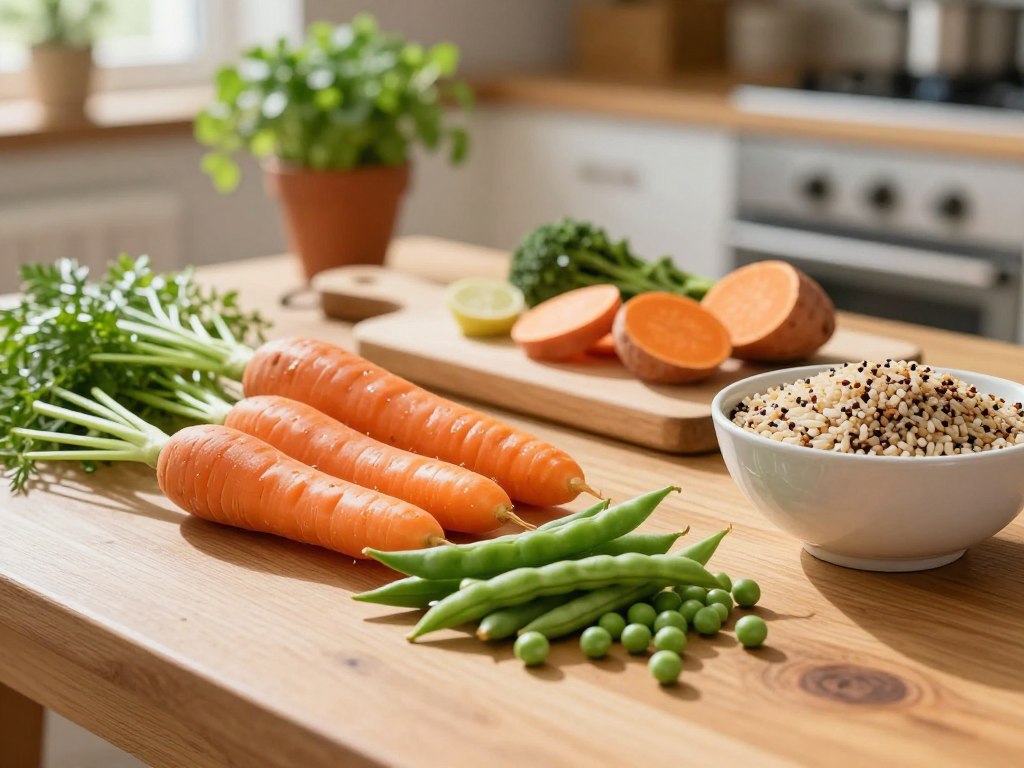
Selecting the right produce is a simple way to boost your dog’s health. Many common vegetables are safe and highly beneficial for your furry friend. Carrots offer a satisfying crunch and are packed with beta-carotene, while broccoli provides a boost of vitamins. Peas are another excellent choice, as they are rich in plant-based protein and fiber.
Choosing the Right Grains for Digestion
Grains often get a bad reputation, but they serve as a fantastic source of energy for active dogs. When choosing grains, focus on options that support healthy digestion and steady blood sugar levels. Brown rice is a gentle, easily digestible option that works well for most dogs. Quinoa is another nutrient-dense alternative that offers a complete amino acid profile, making it a smart addition to your meal prep routine.
Preparing Produce for Maximum Nutrient Absorption
How you prepare these ingredients is just as important as the ingredients themselves. Dogs have shorter digestive tracts than humans, so they struggle to break down raw plant cell walls. You should lightly steam or finely chop vegetables to unlock their vitamins and minerals. This simple step ensures your dog can actually absorb the nutrients rather than just passing them through their system.
| Ingredient | Primary Benefit | Preparation Method |
|---|---|---|
| Carrots | Vitamin A & Fiber | Steamed or finely grated |
| Brown Rice | Energy & Digestion | Fully cooked and soft |
| Broccoli | Antioxidants | Lightly steamed |
| Quinoa | Protein & Minerals | Rinsed and boiled |
Easy Dog Treat Recipes for Training and Rewards
You can easily elevate your training sessions by preparing healthy dog treats right in your own kitchen. Making your own snacks allows you to avoid the artificial preservatives and hidden fillers often found in mass-produced store-bought alternatives. These easy dog treat recipes are simple to prepare and give you full control over exactly what your dog consumes during a busy day of learning new tricks.
Baking Simple Peanut Butter Biscuits
Peanut butter is a classic favorite for most dogs, making it an ideal base for a rewarding snack. To bake these, mix natural, xylitol-free peanut butter with whole wheat flour and a splash of water until a dough forms. Roll the dough out, cut it into fun shapes, and bake until they reach a satisfying crunch.
“The best rewards are those made with love and simple, whole-food ingredients that support your dog’s long-term vitality.”
Creating Dehydrated Sweet Potato Chews
If your dog loves a tough, chewy texture, dehydrated sweet potatoes are a fantastic option. Simply slice washed sweet potatoes into thin strips and place them in a low-temperature oven or a food dehydrator. This process removes moisture while concentrating the natural sweetness, resulting in a nutrient-dense snack that lasts for weeks.
Frozen Yogurt and Berry Bites
When the summer heat arrives, your pet will appreciate a cooling reward. Mix plain, unsweetened Greek yogurt with fresh blueberries or strawberries and pour the mixture into silicone molds. Once frozen, these bites provide a refreshing burst of antioxidants that keep your dog happy and hydrated.
| Treat Type | Best For | Preparation Time |
|---|---|---|
| Peanut Butter Biscuits | Training Rewards | 30 Minutes |
| Sweet Potato Chews | Long-lasting Chewing | 4-6 Hours |
| Yogurt Berry Bites | Cooling/Summer | 2 Hours (Freeze) |
Incorporating these easy dog treat recipes into your routine ensures your pet stays motivated during training. By choosing high-quality ingredients, you provide a delicious incentive that supports your dog’s health and happiness every single day.
Developing a Weekly Meal Plan
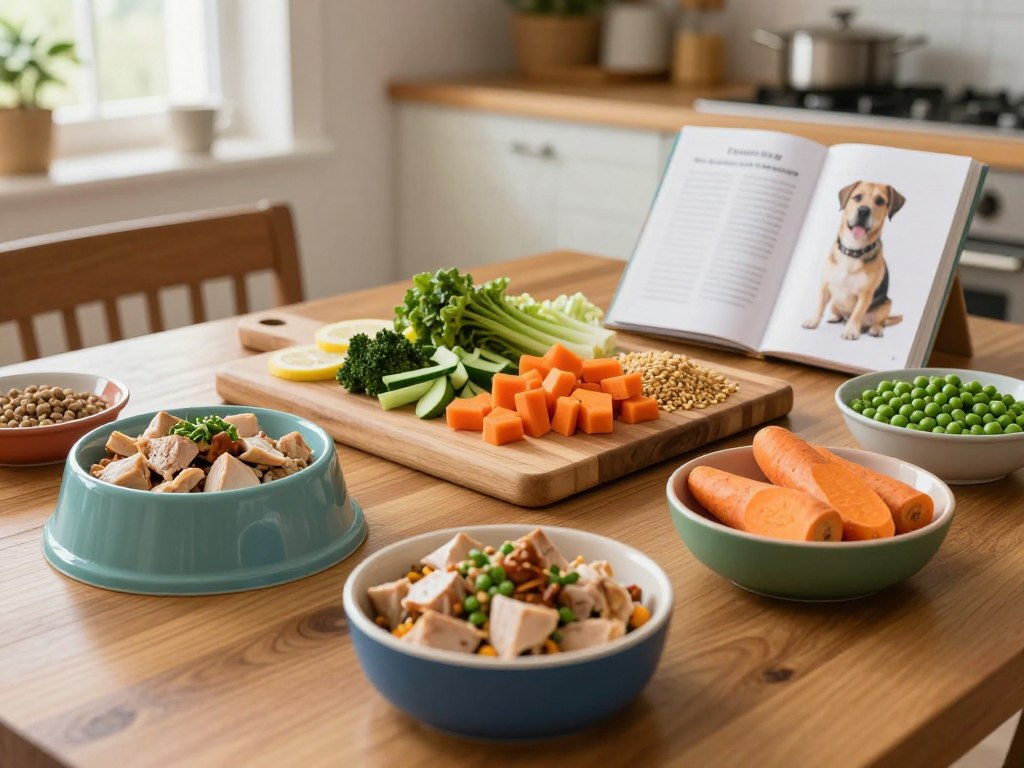
Organizing your kitchen routine makes preparing homemade dog meals a simple and rewarding experience. By mapping out your pet’s menu in advance, you remove the guesswork from daily feeding. This proactive approach ensures your furry friend receives consistent nutrition while saving you valuable time during busy work weeks.
Batch Cooking Strategies
Batch cooking is the most effective way to manage your time when you commit to homemade dog meals. You can prepare large quantities of proteins, grains, and vegetables over the weekend, then divide them into daily portions.
Consider these tips for efficient storage:
- Use freezer-safe containers or vacuum-sealed bags to maintain freshness.
- Label every package with the date and the specific recipe name.
- Thaw individual portions in the refrigerator overnight before serving.
Portion Control Based on Weight and Activity
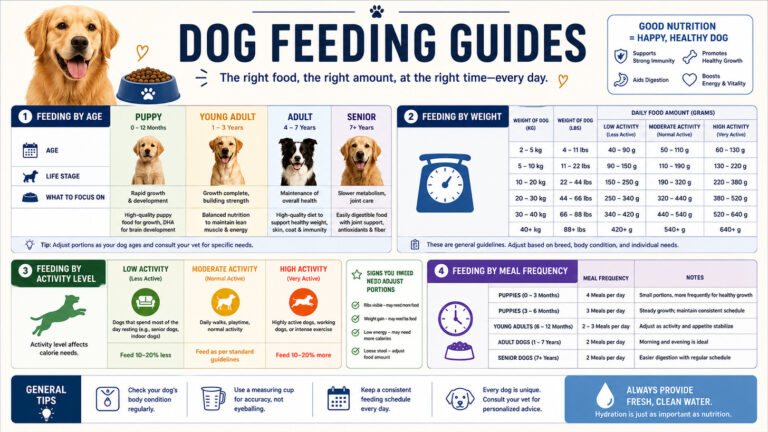
Every dog has unique caloric needs that change based on their size, age, and energy levels. For example, a 15-pound Norwich Terrier typically requires about 1/3 to 1/2 cup of food twice a day to maintain a healthy weight. Monitoring your dog’s body condition is essential, as you may need to adjust these amounts if your pet becomes less active or gains weight.
Always consult with your veterinarian to determine the exact caloric intake your dog requires. Keeping a simple log of their weight and portion sizes helps you track progress and make necessary tweaks to their homemade dog meals over time.
Rotating Proteins to Prevent Boredom
Feeding your dog the same ingredients every day can lead to picky eating habits. Rotating your protein sources throughout the week keeps mealtime exciting and provides a wider range of essential amino acids.
Try alternating between these high-quality options:
- Lean ground turkey or chicken for easy digestion.
- Beef or bison for iron-rich variety.
- White fish or salmon to boost Omega-3 fatty acids.
By varying the menu, you ensure your dog enjoys a diverse diet that supports long-term health. This simple rotation strategy is a cornerstone of successful homemade dog meals and keeps your pet happy and satisfied.
Transitioning Your Dog to Homemade Food
Moving your dog to a new meal plan is an exciting journey that demands a steady pace. While you might be eager to start using your favorite homemade dog recipes, your pet’s stomach needs time to adapt to new ingredients. A slow, thoughtful approach ensures your dog stays happy and healthy throughout the process.
The Gradual Mixing Method
The most effective way to switch diets is by slowly blending the new food with your dog’s current kibble. Start by replacing just 25% of their meal with the homemade option for the first few days. Gradually increase this ratio over a week or two until they are eating only the fresh, home-cooked meals.
Monitoring Digestion During the Switch
During this transition, keep a close eye on your dog’s overall behavior and stool quality. Sudden changes in diet can sometimes lead to mild stomach upset. If you notice any signs of discomfort, it is perfectly fine to slow down the process and keep the ratio of old to new food consistent for a few extra days.
Adjusting Recipes Based on Feedback
Every dog is unique, and you may need to tweak your homemade dog recipes based on how your pet responds. If your dog seems picky or experiences digestive issues, consider simplifying the ingredients or adjusting the protein source. Consistency is key, so observe their feedback closely to create the perfect, nutritious meal plan that your furry friend will truly love.
Budget-Friendly Tips for Homemade Dog Food
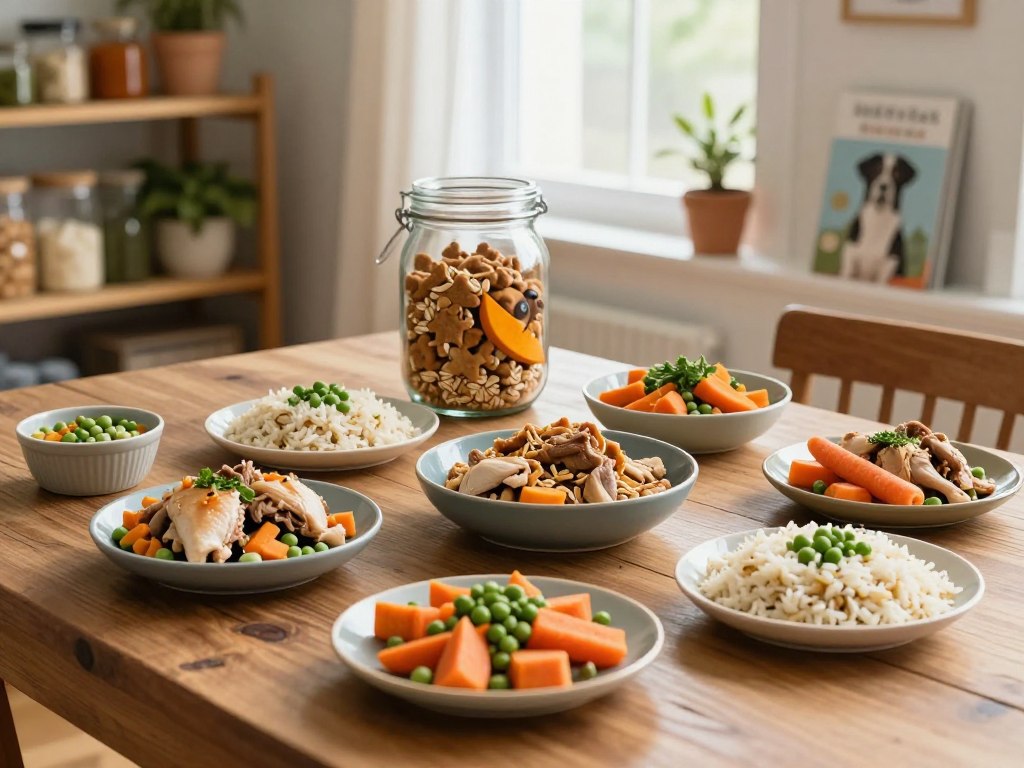
You do not need a massive budget to provide your dog with healthy, home-cooked meals. By adopting a few smart shopping habits, you can create nutritious homemade dog meals without overspending at the grocery store.
Buying in Bulk and Seasonal Produce
Purchasing ingredients in large quantities is one of the most effective ways to lower your weekly expenses. Grains like brown rice or oats often come in bulk bags that last for months, providing a stable base for your recipes.
Additionally, focus on seasonal produce to keep costs low. Vegetables like carrots, green beans, and sweet potatoes are often significantly cheaper when they are in season, ensuring you get the best value for your money.
“The greatest wealth is health, and that applies just as much to our four-legged friends as it does to us.”
Utilizing Affordable Protein Cuts
Protein is the most expensive part of any diet, but you do not always need premium cuts to keep your pet healthy. Look for sales on chicken thighs, turkey necks, or ground meats that are frequently discounted at local butchers.
These cuts are just as nutrient-dense as expensive fillets when prepared correctly. Incorporating these affordable options into your homemade dog meals allows you to maintain high protein standards while keeping your wallet happy.
Reducing Waste with Smart Ingredient Usage
Efficiency in the kitchen is key to long-term savings. Try to use every part of the ingredients you purchase, such as using vegetable scraps to create a healthy broth or utilizing organ meats that are often sold at a fraction of the price of muscle meat.
- Freeze leftover portions to prevent spoilage.
- Use vegetable peels for added fiber and nutrients.
- Plan your meals around items already in your pantry.
By minimizing waste, you ensure that every dollar spent contributes directly to your dog’s well-being. Consistent planning makes preparing homemade dog meals a sustainable and rewarding part of your routine.
Addressing Common Challenges in DIY Dog Food
Embarking on the journey of preparing diy dog food is a rewarding experience, but it occasionally requires some troubleshooting. Even the most dedicated pet parents may encounter hurdles as they refine their recipes. Staying observant and making small, calculated adjustments will help you keep your companion happy and healthy.
Dealing with Picky Eaters
If your dog suddenly turns their nose up at a meal, do not panic. Even the most enthusiastic eaters can become selective about their food. You might try warming the meal slightly to release enticing aromas or adjusting the texture by finely chopping the ingredients.
Sometimes, a simple change in the protein source can reignite their interest. Always ensure that any new additions are safe and follow your established nutritional guidelines for diy dog food.
Managing Weight Gain or Loss
Monitoring your dog’s body condition is a vital part of home cooking. You may need to adjust caloric intake based on their specific metabolism and daily activity levels. If you notice your pet gaining or losing weight, recalculate the portion sizes immediately.
Consistency is key when managing weight. Keep a simple log of how much you feed and how your dog responds over a two-week period. This data helps you make informed decisions about their long-term health.
Troubleshooting Digestive Upsets
Digestive issues can occur during the transition to a new diet. It is important to identify potential triggers by reviewing the ingredients or the speed of the transition process. If your dog experiences an upset stomach, consider simplifying the recipe to a few basic, gentle ingredients.
Gradually reintroducing items one by one can help you pinpoint the exact cause of the sensitivity. Maintaining a balanced approach ensures that your diy dog food remains a safe and nutritious choice for your pet.
| Common Challenge | Potential Cause | Recommended Action |
|---|---|---|
| Refusing to eat | Boredom or texture | Warm food or change protein |
| Weight gain | Excess calories | Reduce portion size |
| Loose stools | Rapid transition | Slow down the switch |
| Weight loss | Insufficient energy | Increase healthy fats |
Supplements and Additives for Optimal Health
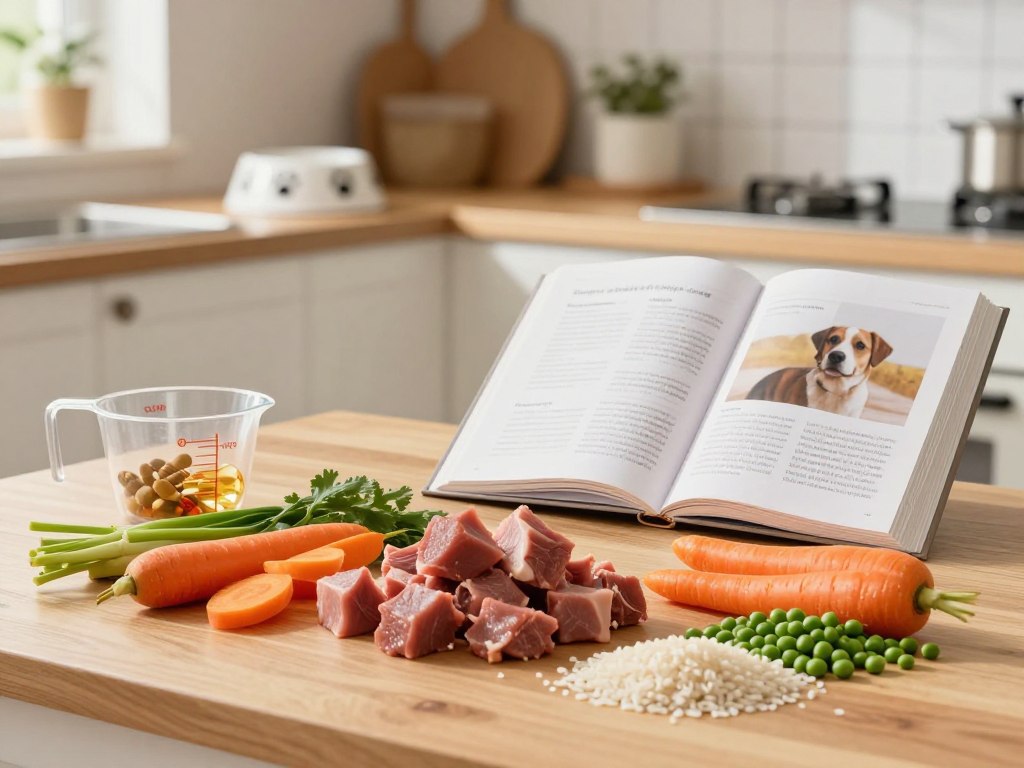
Creating a balanced diy dog food plan often requires more than just fresh meat and vegetables. While whole foods provide the bulk of your pet’s nutrition, specific additives can bridge potential gaps to ensure your dog thrives. Always consult with your veterinarian before introducing new items to your dog’s daily regimen to ensure they are safe and necessary.
When to Use Calcium Supplements
Calcium is essential for maintaining strong bones and proper skeletal health. If your homemade recipes do not include sufficient bone content, you must add a calcium supplement to keep the phosphorus-to-calcium ratio in balance. Without this, your dog may face long-term health complications related to bone density.
Adding Omega-3 Fatty Acids
Incorporating Omega-3 fatty acids into your diy dog food routine is a fantastic way to support your pet’s overall wellness. These healthy fats are known to promote a shiny coat and healthy skin. They also provide anti-inflammatory benefits that can help keep your dog feeling active and comfortable as they age.
Natural Probiotics for Gut Health
A healthy gut microbiome is the foundation of a strong immune system. Natural probiotics can be a game-changer for dogs with sensitive stomachs or those prone to digestive issues. By adding these beneficial bacteria, you help maintain a balanced digestive tract, which improves nutrient absorption and overall vitality.
| Supplement Type | Primary Benefit | Best For |
|---|---|---|
| Calcium | Skeletal Support | Recipes lacking bone |
| Omega-3 | Skin & Coat | Inflammation reduction |
| Probiotics | Gut Health | Digestive balance |
Remember that every dog has unique needs based on their size, age, and activity level. Researching the appropriate dosages is a critical part of managing a successful diy dog food program. When you take the time to supplement correctly, you provide your companion with the best possible foundation for a long and happy life.
Seasonal and Holiday-Themed Dog Recipes
Seasonal changes offer the perfect excuse to experiment with fun and healthy dog food recipes. Celebrating holidays and special milestones with your pet is a wonderful way to share the joy of homemade cooking. By tailoring your kitchen creations to the time of year, you ensure your dog feels included in every family festivity.
Summer Cooling Treats
When the temperature rises, your dog needs extra help staying hydrated and comfortable. You can easily prepare cooling dog food recipes like frozen bone broth pops or fruit-infused ice cubes. Simply pour low-sodium broth or water mixed with blueberries into silicone molds and freeze them for a refreshing snack.
Winter Warmers and Hearty Stews
As the weather turns colder, transition your menu to winter warmers and hearty stews. These meals provide extra comfort and warmth during chilly months. Using slow-cooked lean meats, carrots, and sweet potatoes creates a nutrient-dense dish that keeps your pet satisfied and cozy.
“The bond between a human and a dog is deepened through the simple act of sharing a meal, especially when that meal is prepared with love and care.”
Birthday and Celebration Cakes
You can even bake special birthday or celebration cakes using dog-safe ingredients to mark important milestones. Using flour alternatives like oat flour and natural sweeteners like unsweetened applesauce, you can create a treat that is both safe and delicious. These dog food recipes make every occasion feel extra special for your furry companion.
| Season | Recipe Type | Key Benefit |
|---|---|---|
| Spring | Fresh Herb Toppers | Digestive Support |
| Summer | Frozen Fruit Bites | Hydration |
| Autumn | Pumpkin Puree Mixes | Fiber Boost |
| Winter | Warm Meat Stews | Energy & Comfort |
Conclusion
Preparing fresh meals for your dog creates a unique bond that goes beyond the food bowl. This commitment to quality ingredients and balanced nutrition transforms daily feeding into an act of love. Your pet will thrive when you prioritize their specific health needs through thoughtful, home-cooked recipes.
Every dog possesses a distinct personality and set of dietary requirements. Stay observant of your companion as you refine these meals over time. Adjusting your approach based on their energy levels and preferences ensures they receive the best care possible.
You now have the tools to navigate the world of canine wellness with confidence. Embrace the process of learning what fuels your pet best. Enjoy the many years of vitality and happiness that come from serving wholesome, homemade meals to your loyal friend.
FAQ
What are the primary benefits of switching to homemade dog recipes?
Which human foods are toxic and must be avoided in dog food recipes?
What kitchen equipment is best for preparing homemade dog meals?
How do I ensure my diy dog food is nutritionally balanced?
Do you have any easy dog treat recipes for training?
How should I transition my dog from kibble to homemade dog meals?
Can I prepare homemade dog recipes on a tight budget?
How do I handle a picky eater when introducing new dog food recipes?
When should I consider adding supplements to my dog’s homemade diet?