
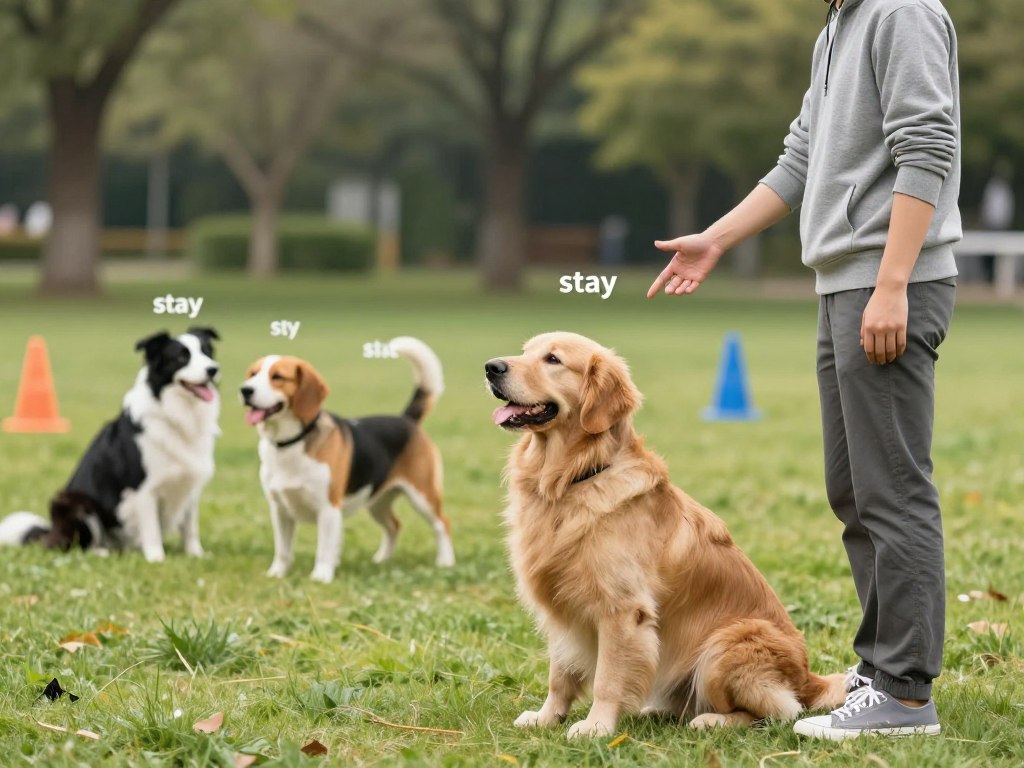
Did you know that your new puppy is capable of learning simple commands the moment they arrive home at eight weeks old? Many owners wait too long, missing a vital window for early development and social growth.
Establishing a routine early helps build a strong foundation for your furry friend. By using positive reinforcement, you create clear communication and a deeper bond with your companion.
This guide serves as a comprehensive resource for mastering essential skills. Consistent practice is the secret to success when you start your journey toward a well-behaved pet. Following these structured steps will ensure your dog training basic obedience efforts lead to a lifetime of happiness.
Key Takeaways
- Puppies are ready to learn simple commands as early as eight weeks old.
- Positive reinforcement is the most effective method for building trust.
- Consistency in your daily schedule helps pets understand expectations faster.
- Clear communication prevents confusion and strengthens your emotional connection.
- Early preparation sets the stage for a well-mannered adult animal.
Foundations of Successful Dog Training
Starting your journey into basic obedience training for dogs requires a solid grasp of canine psychology. Every dog perceives the world differently, and recognizing these nuances is the first step toward a harmonious relationship. By setting clear expectations early, you create a predictable environment where your pet feels safe and eager to learn.
Understanding Canine Learning Styles
Just like humans, dogs have preferred ways of processing new information. Some dogs are highly visual, responding best to hand signals and body language. Others may be more tactile or auditory, focusing on your touch or the specific tone of your voice.
Observing how your dog reacts to different cues will help you tailor your approach. When you align your teaching style with their natural strengths, you accelerate the learning process significantly. This personalized attention is the hallmark of effective basic obedience training for dogs.
The Importance of Positive Reinforcement
Positive reinforcement is the most effective method for long-term success. This process involves giving your dog a reward immediately after they perform a desired behavior. By linking the action to a positive outcome, you encourage your pet to repeat that behavior in the future.
Avoid using punishment, as it often creates fear and confusion rather than clarity. Instead, focus on rewarding the good to build confidence. This approach ensures that your dog remains motivated and enthusiastic throughout every session.
Essential Tools for Your Training Kit
Having the right gear makes your training sessions much more productive. A well-prepared kit helps you maintain consistency and keeps your dog focused on the task at hand. Consider keeping these items ready for your basic obedience training for dogs:
- High-value treats: Small, soft rewards that your dog finds irresistible.
- Clicker: A simple device to mark the exact moment of success.
- Standard leash: A six-foot lead is ideal for maintaining control.
- Treat pouch: Keeps rewards accessible for quick delivery.
Investing in these basic tools shows your commitment to the process. When you are prepared, you can focus entirely on your dog’s progress and celebrate every small victory together.
Preparing Your Environment for Training
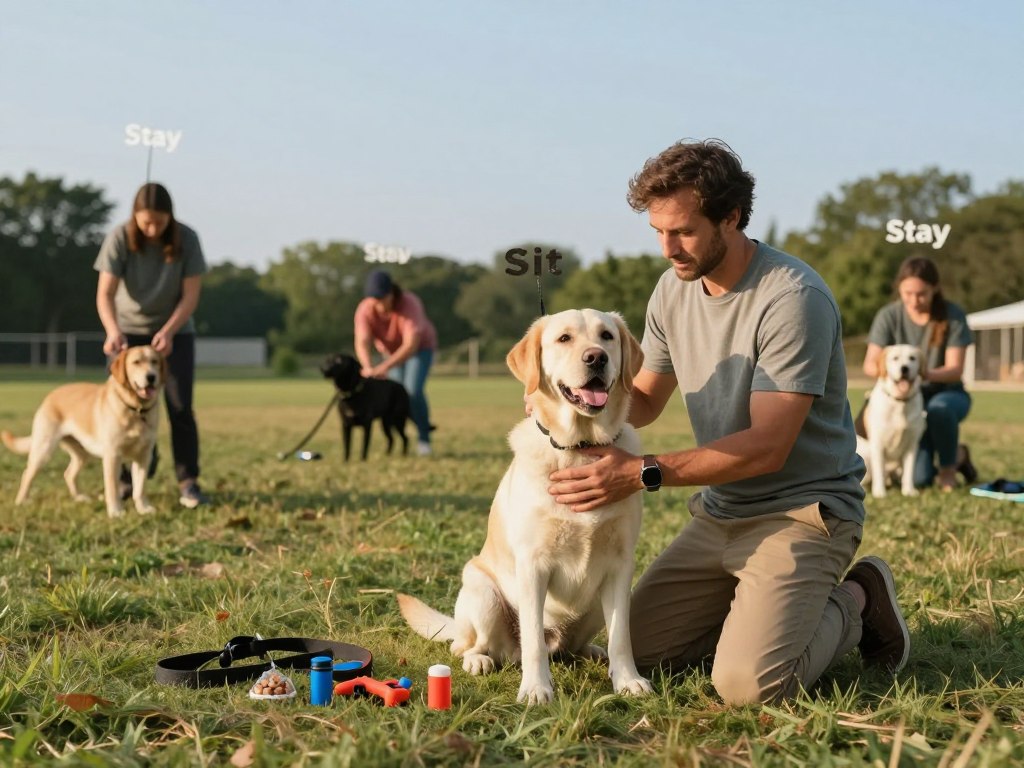
Creating a focused environment is the first step toward mastering basic obedience training for dogs. When your pet feels comfortable and free from external chaos, they can dedicate their full attention to your instructions. This preparation ensures that every minute spent practicing is productive and rewarding for both of you.
Minimizing Distractions During Early Sessions
Start your journey in a quiet, indoor space where your dog feels safe. Living rooms or hallways often work best because they lack the unpredictable movement of the outdoors. By limiting visual and auditory stimuli, you help your companion focus on your hand signals and voice cues.
“The secret to success is consistency, patience, and a quiet space where your dog can learn without feeling overwhelmed by the world.”
Once your dog masters the basics in a calm room, you can slowly introduce mild distractions. Gradual exposure is key to building a reliable learner. If your dog seems confused or distracted, simply return to your quiet sanctuary to regain their focus.
Establishing a Consistent Training Schedule
Consistency is the backbone of any effective basic obedience training for dogs program. Dogs thrive on routine, so try to practice at the same time each day. This predictability helps your pet anticipate learning moments and stay mentally sharp.
Keep your training sessions brief to maintain high energy levels. Aim for sessions lasting only five to 10 minutes to prevent boredom or frustration. Short, frequent bursts of activity are far more effective than one long, exhausting session.
- Set a specific time of day for practice.
- Keep treats and tools ready before you start.
- End every session on a positive note with play.
Mastering the Sit Command Dog Training
The sit command serves as the foundation for almost all other dog obedience commands. By teaching your pet to remain in a stationary position, you gain better control during walks, greetings, and meal times. This simple behavior is the perfect starting point for any training journey.
Luring Techniques for Beginners
Luring is a highly effective method that uses your dog’s natural desire for food to guide them into position. Hold a small, high-value treat right in front of your dog’s nose to capture their full attention.
- Slowly move your hand upward and slightly back toward their ears.
- As their head follows the treat, their bottom will naturally lower to the floor.
- The moment their rear touches the ground, immediately reward them with the treat and plenty of praise.
Transitioning from Lure to Hand Signal
Once your dog understands the movement, you must begin to fade the food lure. If you rely on treats for every single repetition, your dog may only perform when they see food in your hand.
Start by using the same hand motion but without holding a treat. When your dog successfully sits, reward them from your other hand or a treat pouch hidden behind your back. This transition helps your pet focus on your hand signal rather than just the snack.
Consistency is the secret ingredient to success. Keep your training sessions short, positive, and frequent to build muscle memory.
Adding the Verbal Cue
After your dog is reliably following your hand signal, it is time to introduce the verbal command. Say the word “Sit” clearly just before you begin your hand motion.
By pairing the word with the action, your dog will eventually learn to respond to the verbal cue alone. Mastering this sit command dog training technique will significantly improve your overall success with other dog obedience commands as you progress.
Perfecting the Stay Command Dog Training
When you begin stay command dog training, you are building a foundation of impulse control for your pet. This skill is one of the most essential dog obedience commands because it keeps your furry friend safe in various situations. Before you start, remember that the secret to success is a clear release word like “OK” or “free.”
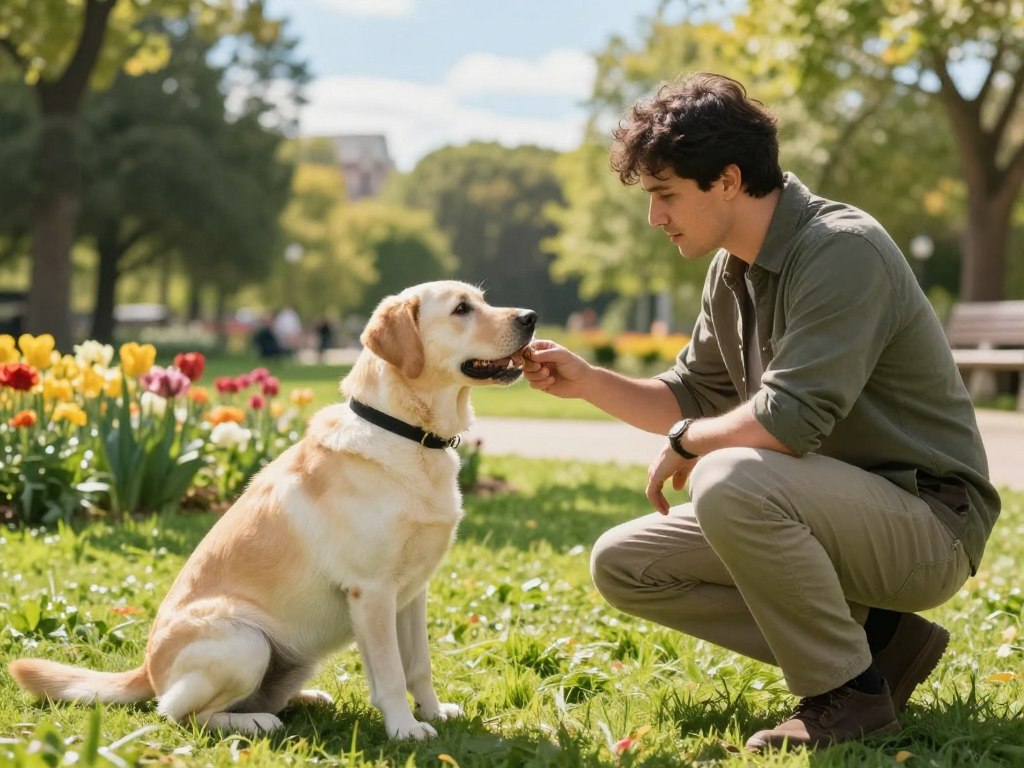
Using a release word tells your dog exactly when the exercise is finished. Without this, your pet may feel confused about when they are allowed to move their feet. Consistency is key to ensuring your dog understands the rules of the game.
Building Duration in Small Increments
Start by asking your dog to sit or lie down. Hold your hand out with your palm facing them, then wait for just one or two seconds before giving your release word. Reward them immediately with a treat or praise to reinforce the behavior.
Gradually increase the time you ask your dog to wait. You can follow this simple progression to keep your training sessions effective:
- Start with 3 seconds of stillness.
- Move to 5 seconds once they are comfortable.
- Slowly work your way up to 10 or 15 seconds.
Increasing Distance from Your Dog
Once your dog can hold a position for a short time, you can begin to step away. Start by taking just one step back while keeping your hand signal visible. If your dog stays, return to them quickly and offer a reward.
If your dog breaks the stay, simply reset them calmly without frustration. Patience is your best tool when teaching these important dog obedience commands. Always return to your dog to deliver the reward rather than calling them to you, as this prevents them from anticipating the “come” command.
Managing Distractions While Holding a Stay
Training in a quiet room is perfect for beginners, but real life is full of movement. To improve your dog’s focus, introduce minor distractions while they are in a stay. You might try dropping a toy nearby or walking in a small circle around them.
If your dog loses focus, reduce the difficulty of the task. By practicing in small, manageable steps, you help your dog remain calm and steady. With enough practice, your dog will learn to hold their position regardless of what is happening around them.
Teaching the Come Command Dog Training
Mastering the art of getting your dog to return to you is a cornerstone of pet training obedience basics. A reliable recall is perhaps the most important safety skill you can provide for your furry friend. When your dog listens to you in any situation, you gain peace of mind during off-leash adventures or unexpected escapes.
The Recall Game for Puppies
The best way to teach a puppy is to make coming to you feel like a thrilling game. Start in a quiet room with no distractions to set your puppy up for success. Have a partner hold your puppy while you run a few feet away, crouch down, and call them with an excited, happy tone.
When your puppy reaches you, reward them with high-value treats and plenty of praise. This positive association ensures that the come command dog training becomes the most rewarding choice they can make. Keep these sessions short and frequent to maintain their enthusiasm.
Building Reliability in High-Stimulation Areas
Once your dog masters the recall in your living room, it is time to move to more challenging environments. Start in a fenced backyard or a quiet park where there are mild distractions. Gradually increase the distance between you and your dog as they become more consistent.
If your dog struggles, return to a simpler environment to rebuild their confidence. Always keep your training sessions fun and engaging to ensure they remain focused on you. Remember these key steps for success:
- Start with a long training lead to ensure safety.
- Practice in short bursts to keep the dog’s attention high.
- Always use a high-value reward that your dog finds irresistible.
- Gradually introduce new environments with more sights and smells.
Common Mistakes to Avoid During Recall
Many owners accidentally sabotage their progress by repeating the dog’s name too often. If you call your dog repeatedly without a response, they learn that the sound is just background noise. Avoid the urge to nag; instead, call once and use a lure or a squeaky toy to grab their attention.
Never punish your dog when they finally come to you, even if they took a long time. If you scold them upon arrival, they will associate returning to you with a negative experience. Always keep the interaction positive so your dog feels safe and happy to return to your side every single time.
Heel Command Dog Training Techniques
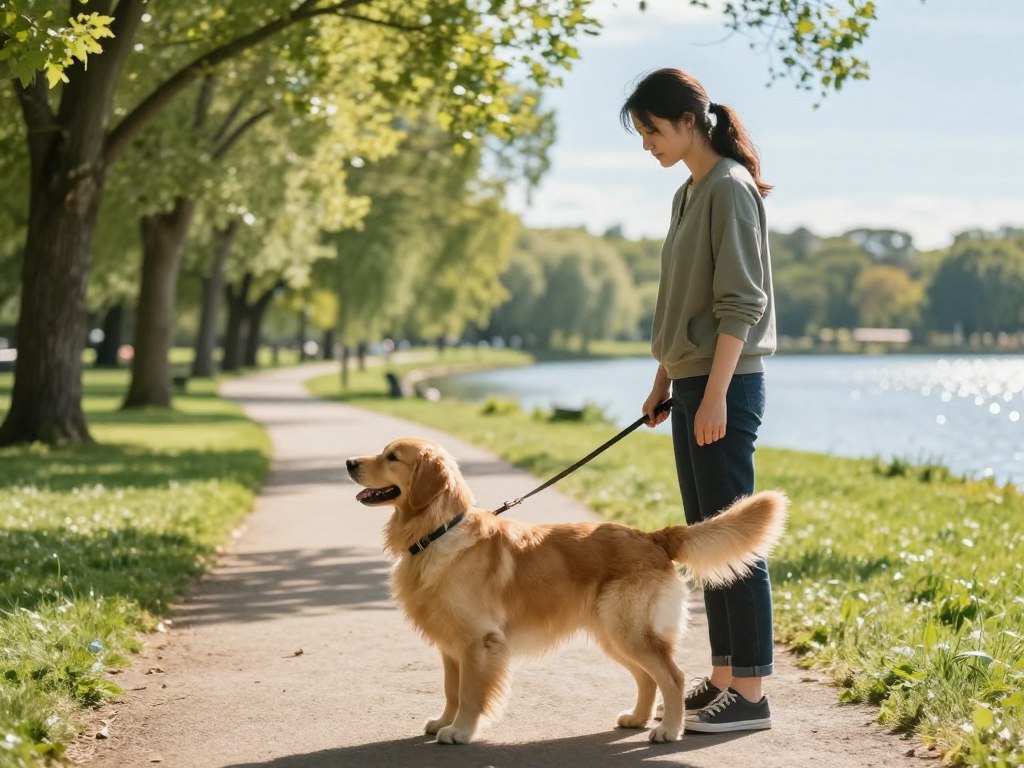
When you teach your dog to walk calmly by your side, you unlock a new level of freedom for your daily adventures. Mastering the heel command dog training process transforms stressful walks into enjoyable bonding time. This skill is a fundamental part of pet training obedience basics that every owner should prioritize.
Establishing the Correct Position
The goal is to have your dog’s shoulder aligned with your leg. Start by standing still with your dog on your left side. Use a treat to guide them into this specific spot, rewarding them immediately for choosing to stand there.
Consistency is key when defining this space. If your dog drifts ahead or lags behind, stop moving and reset the position. By keeping the criteria clear, your dog learns exactly where they are most likely to earn a reward.
Using Treats to Maintain Focus
High-value treats are essential for keeping your dog’s attention locked on you. Hold the reward near your hip to encourage your dog to look up at you rather than scanning the environment for distractions.
Frequent reinforcement during the early stages builds a strong habit. As your dog becomes more reliable, you can gradually reduce the frequency of treats. Always keep your energy calm and encouraging to ensure the session remains positive.
Transitioning to Natural Walking Paces
Once your dog understands the stationary position, begin taking short steps forward. Incorporate turns, such as 90, 180, or 270-degree rotations, to keep your dog engaged with your movements. These turns force your dog to pay close attention to your body language to avoid bumping into you.
Gradually increase your speed from a slow stroll to a brisk walk. If your dog starts to pull, return to a slower pace or perform a sharp turn to regain their focus. This dynamic approach ensures your dog stays attentive regardless of your walking speed.
| Training Method | Primary Benefit | Difficulty Level |
|---|---|---|
| Lure-based | Builds initial position | Beginner |
| Directional Turns | Increases engagement | Intermediate |
| Pace Variation | Improves reliability | Advanced |
Leash Walking Obedience Training
Effective leash walking obedience training turns every neighborhood stroll into a peaceful bonding opportunity for you and your pet. When your dog learns to walk calmly by your side, the entire experience becomes much more enjoyable. Consistency is the secret ingredient to success during these outdoor sessions.
Preventing Pulling and Lunging
If your dog constantly pulls ahead, you must change your strategy immediately. When your dog runs in front of you, simply turn in the opposite direction without saying a word. Call them to your side and reward them with a treat once they catch up to your position.
This technique teaches your dog that pulling results in going the wrong way. By staying predictable and calm, you help your dog understand that staying near you is the most rewarding choice. Over time, they will learn to monitor your pace rather than dragging you down the sidewalk.
Teaching Your Dog to Check In
A well-trained dog should frequently look back at you to ensure you are still together. You can encourage this behavior by rewarding your dog whenever they make eye contact during a walk. Positive reinforcement is essential here, as it builds a strong habit of checking in.
Try to offer a small treat or verbal praise every time your dog glances at you voluntarily. This simple act keeps them mentally engaged with you instead of just focusing on the environment. Eventually, this check-in behavior becomes a natural part of their leash walking obedience training routine.
Handling Encounters with Other Dogs
Seeing another dog can be very exciting, often leading to unwanted pulling or lunging. To manage these moments, keep your distance and maintain your dog’s focus on you using high-value treats. Stay calm and confident, as your dog will often mirror your emotional state.
If your dog becomes too distracted, move to a quieter area to regain their attention. Never force an interaction if your dog seems stressed or overly reactive. By prioritizing safety and focus, you ensure that every walk remains a positive experience for your canine companion.
Dog Training Basic Obedience – Sit, stay, come, heel, leash walking
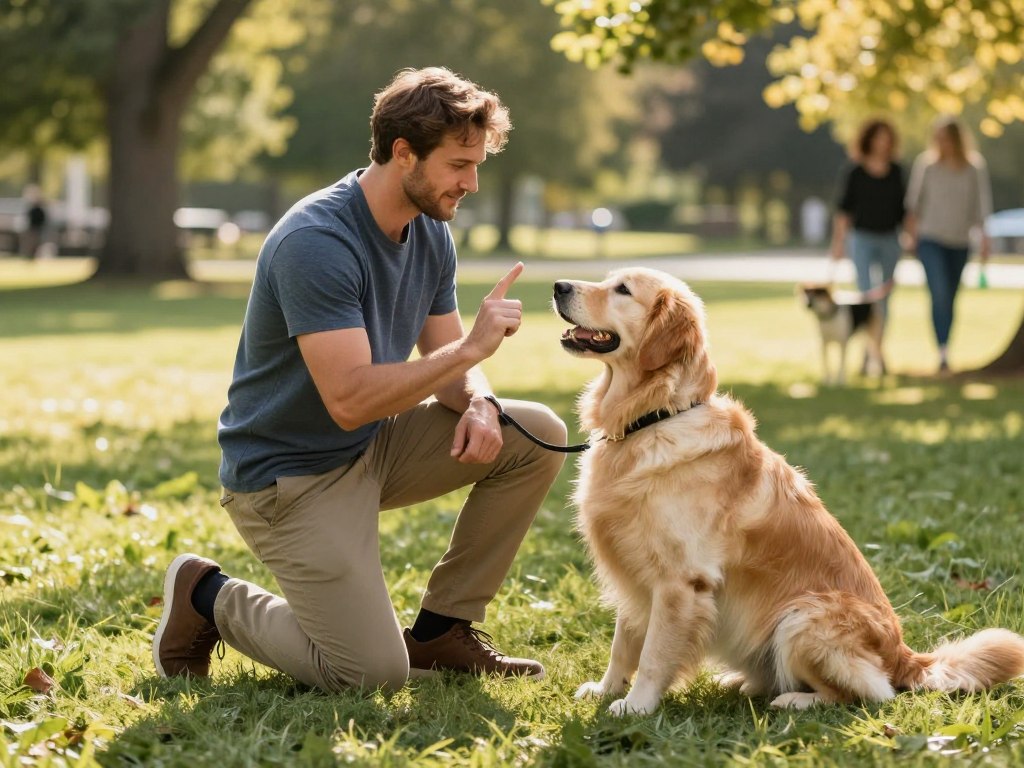
Once your dog understands basic cues, the real challenge lies in weaving them into the fabric of your daily life. True dog training basic obedience is not just about performing tricks in a quiet room; it is about reliability in the real world. By combining your dog’s skills, you create a seamless flow of communication that makes every interaction more enjoyable.
Integrating Multiple Commands into Daily Life
Think of your daily walks as an opportunity to practice multiple skills at once. For instance, you can start with leash walking obedience training, then transition into a “sit” at a street corner before asking for a “stay” while you wait for the light to change. This mimics the structure of the AKC Beginner Novice class, which includes exercises like the Figure Eight and the Sit for Exam.
When you practice these sequences, you help your dog understand that obedience is a continuous expectation rather than a one-time event. Always reward your dog for checking in with you during these transitions. This reinforces the idea that staying connected to you is the most rewarding choice they can make.
Creating a Routine for Success
Consistency is the secret ingredient to a well-behaved pet. By establishing a predictable schedule, you reduce your dog’s anxiety and help them anticipate what is expected during different parts of the day. Routine provides a sense of security that allows your dog to focus better on your commands.
Try to incorporate short, five-minute training bursts into your morning and evening rituals. Whether it is practicing a “come” command when you enter the house or refining your leash walking obedience training during your afternoon stroll, these small moments add up. Over time, these habits build a strong foundation for dog training basic obedience that lasts a lifetime.
Troubleshooting Common Behavioral Challenges
It is perfectly normal for your canine companion to have days where they seem to lose interest in learning. Even the most dedicated pets experience moments of distraction or confusion during their daily practice. When you notice your dog struggling with the sit command dog training, do not feel discouraged or frustrated.
Addressing Stubbornness and Lack of Focus
If your dog appears stubborn, they are likely telling you that the current lesson is too difficult or the motivation is too low. Evaluate the speed of your training sessions to ensure you are not moving through steps too quickly. Sometimes, breaking a complex task into smaller, manageable pieces makes all the difference.
You should also consider the value of your rewards. If your dog is not responding, try using a higher-value treat, such as small pieces of boiled chicken or cheese. High-value rewards often reignite interest and help your dog focus on the sit command dog training once again.
Success in training is not about how fast you reach the goal, but how well you build the bond with your dog along the way.
Managing Excitement During Training Sessions
High energy is wonderful, but it can sometimes turn a productive session into a chaotic one. If your dog becomes overly excited, take a short break to let them settle down before resuming. Keeping your own energy calm and consistent helps your dog mirror that behavior during their sit command dog training.
| Challenge | Potential Cause | Recommended Solution |
|---|---|---|
| Lack of Focus | Low reward value | Use high-value treats |
| Stubbornness | Pace is too fast | Simplify the steps |
| Over-excitement | High arousal levels | Take a calming break |
Remember that consistency is the key to long-term success. By adjusting your approach to meet your dog’s needs, you ensure that every session remains a positive experience for both of you.
Advanced Tips for Consistent Obedience
Achieving true reliability in your dog’s behavior requires more than just training in your living room. While your pet may master cues in a quiet space, the real world presents unique challenges that can distract even the most well-trained canine.
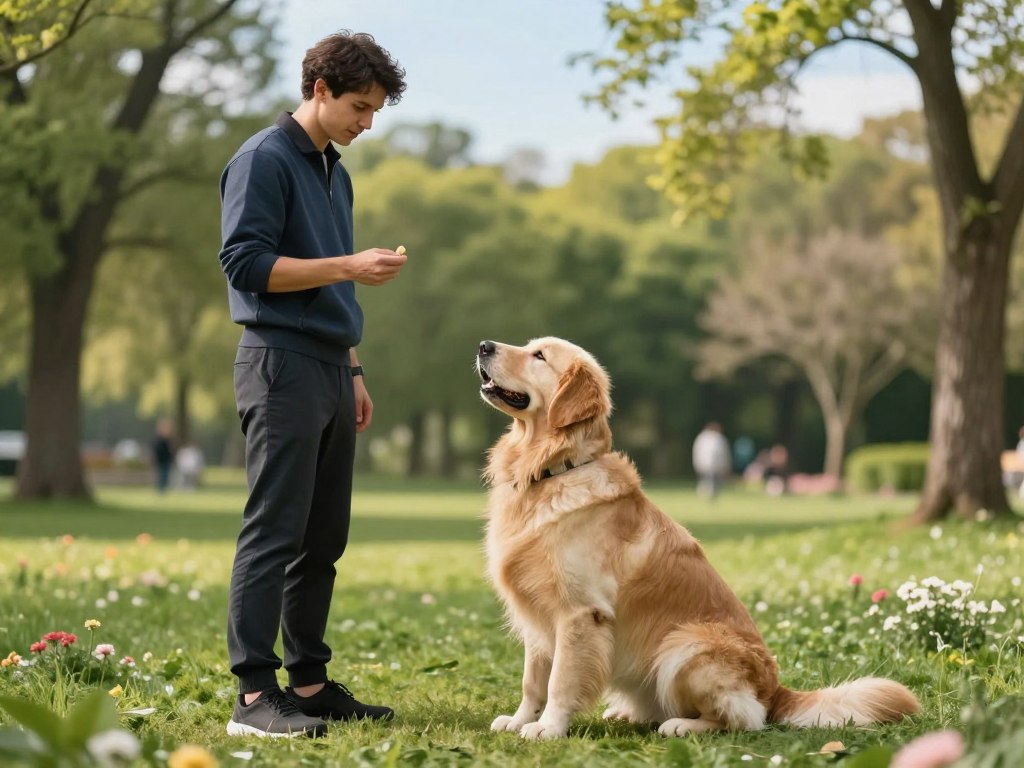
To ensure your dog remains responsive, you must expand your practice sessions to include various locations. This process, known as generalization, helps your dog understand that a command means the same thing regardless of where you are standing.
Generalizing Behaviors to New Environments
Dogs do not naturally generalize well, meaning they often associate a command with a specific room or floor surface. You can overcome this by practicing the stay command dog training in your driveway, at a local park, or even in a friend’s backyard.
When you introduce a new environment, start with low expectations and high rewards. Consistency is key to helping your dog feel confident in unfamiliar settings. Consider these steps to improve your results:
- Start in a quiet area with minimal distractions.
- Gradually increase the difficulty by moving to busier locations.
- Always keep your training sessions short and positive.
- Reward your dog immediately for successful compliance.
The Role of Patience and Persistence
Training is a marathon, not a sprint. You will likely encounter days where your dog seems to forget everything they have learned, which is a normal part of the learning process. Remaining calm and patient during these moments prevents your dog from associating training with stress or anxiety.
Persistence allows you to build a reliable foundation over time. If you struggle with the stay command dog training in a new park, simply step back to a previous level of difficulty and build up again. Your dedication will eventually pay off, resulting in a well-mannered companion who listens to you in any situation.
Maintaining Your Dog’s Training Progress
Training your dog is a lifelong commitment that evolves as your pet matures. While early lessons build a strong foundation, the real magic happens when you consistently reinforce those skills over time. Consistency is the secret ingredient to ensuring your dog remains a well-mannered companion throughout their life.
Refresher Sessions for Adult Dogs
Even if your dog mastered basic cues as a puppy, they may lose their edge without regular practice. Adult dogs often settle into routines, and without occasional reminders, they might start to ignore previously learned commands. Refresher sessions act as a vital check-in to keep their obedience sharp and prevent unwanted habits from taking root.
You do not need to spend hours on these sessions. Short, five-minute bursts of practice during your daily walk or before mealtime are often enough to keep your dog focused. By revisiting these basics, you ensure that your dog remains responsive and attentive to your cues in any situation.
Keeping Training Fun and Engaging
Training should never feel like a chore for you or your pet. When you keep the atmosphere light and rewarding, your dog will look forward to every session. Incorporating the come command dog training into play-based activities is a fantastic way to build reliability while keeping your dog excited about learning.
To keep your training sessions fresh and engaging, consider these simple strategies:
- Vary your rewards: Use a mix of high-value treats, favorite toys, and enthusiastic praise to keep your dog guessing.
- Change your location: Practice in different rooms or quiet outdoor spaces to help your dog generalize their skills.
- Keep it short: End your sessions on a high note while your dog is still having fun and feeling successful.
Ultimately, the goal is to foster a strong bond through positive interaction. When you prioritize fun, you will find that your dog is much more eager to participate in your come command dog training exercises. This positive cycle of learning ensures that your dog stays happy, confident, and obedient for years to come.
Safety Considerations During Outdoor Training
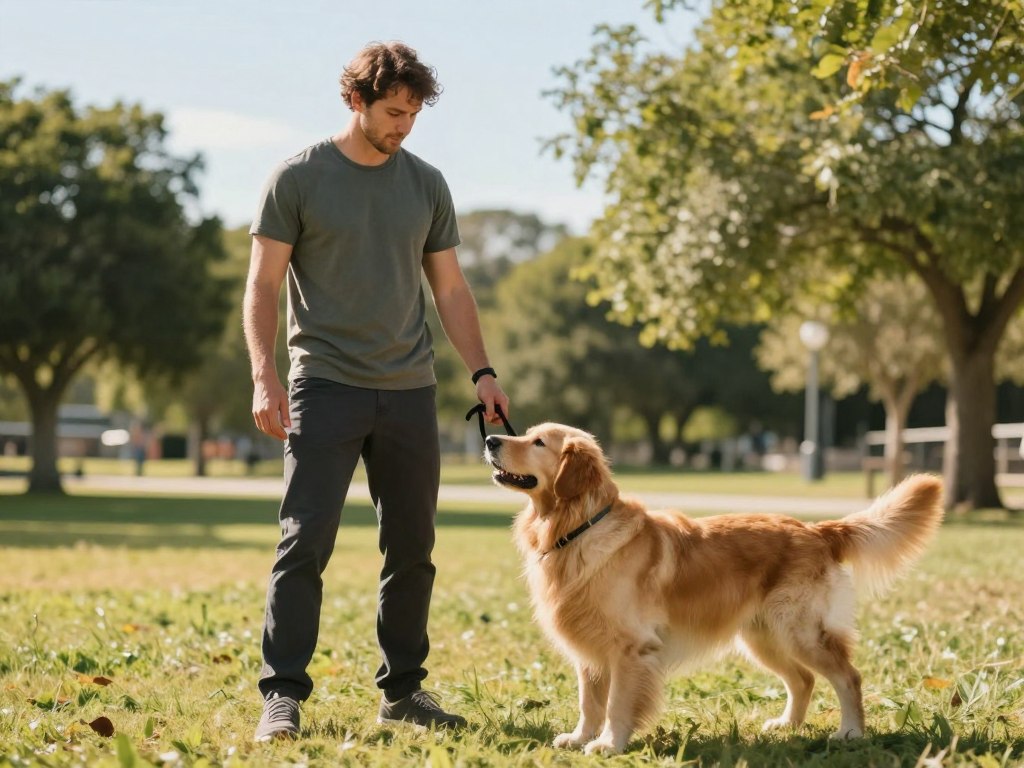
Taking your training sessions into the real world is an exciting milestone for any pet owner. However, safety must remain your top priority when you move beyond the comfort of your home. Whether you are practicing the heel command dog training or working on basic recalls, the environment plays a massive role in your success.
Identifying Hazards in Public Spaces
Public areas are filled with unpredictable elements that can distract or endanger your pet. You should always scan the area for broken glass, sharp debris, or toxic plants before starting your session. Being proactive helps you avoid potential injuries that could derail your progress.
Traffic and other animals also present significant risks during your outdoor practice. Always maintain a safe distance from busy roads and be prepared for unexpected encounters with off-leash dogs. Staying alert allows you to maintain control while you focus on your heel command dog training goals.
Ensuring Proper Identification and Leash Safety
Proper identification is your dog’s best chance of returning home if they ever get loose. Ensure your pet wears a collar with an up-to-date tag containing your current phone number. Microchipping provides an extra layer of security that every responsible owner should consider.
When training in public, enclosed areas, using a long leash is a smart way to provide freedom while keeping your dog safe. This setup allows you to practice distance work without the risk of your dog running into danger. Always check your equipment for wear and tear to ensure your gear remains reliable during every heel command dog training session.
| Safety Item | Purpose | Frequency |
|---|---|---|
| ID Tags | Quick identification | Every outing |
| Long Leash | Controlled freedom | During training |
| First Aid Kit | Emergency care | Always carry |
| Reflective Gear | High visibility | Night walks |
Conclusion
Mastering basic obedience creates a rewarding journey that deepens the connection between you and your pet. Every session you lead builds a foundation of trust and mutual respect.
Consistent practice allows your dog to understand expectations clearly. You provide the structure necessary for your canine companion to thrive in any environment. This stability helps your pet feel secure and confident during daily activities.
Patience remains your most valuable tool throughout this process. Positive reinforcement shapes desired behaviors while keeping the experience enjoyable for both of you. Small wins lead to significant progress over time.
Commit to these training habits to ensure a well-behaved dog for years to come. Your dedication transforms simple commands into a language of love and cooperation. Start your next practice session today to see how much your dog can achieve with your guidance.
FAQ
At what age should I start basic obedience training for dogs?
What are the most effective tools for a successful sit command dog training session?
How do I stop my dog from breaking their position during stay command dog training?
Why is the come command dog training so vital for my pet’s safety?
What is the best way to transition to professional heel command dog training?
How can I improve my leash walking obedience training if my dog constantly pulls?
How do I ensure my dog follows dog training basic obedience in busy public parks?
What should I do if my dog seems to forget their dog obedience commands when they are excited?