Did you know that nearly 70 million households in the United States currently provide a home for a furry friend? Many families specifically seek out a large dog breed to serve as a loyal protector and playmate.
Generally, these animals weigh over 50 pounds and possess a sturdy, powerful build. Choosing the right companion is a significant decision that impacts your daily life for years to come.
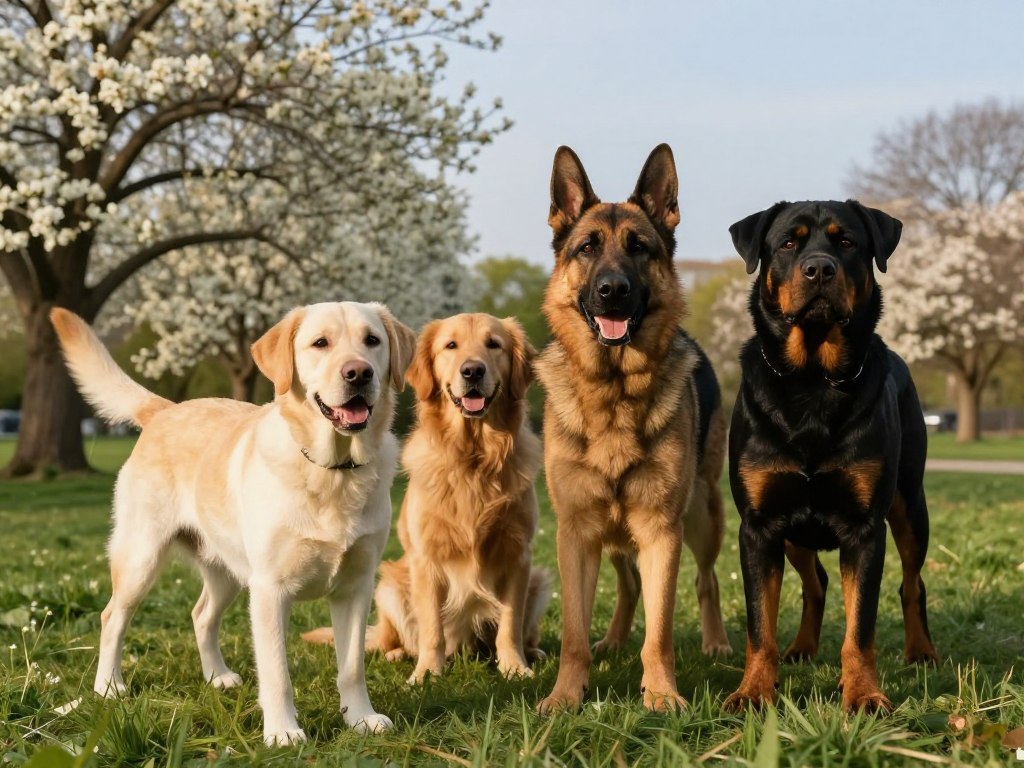
Whether you are drawn to the friendly Labrador or the protective German Shepherd, each animal offers unique traits. The gentle Golden Retriever and the courageous Rottweiler also remain top favorites for active households.
By exploring these four distinct types, you can find a perfect match for your lifestyle. This guide helps you navigate the joys and responsibilities of owning these magnificent animals.
Key Takeaways
- Large animals typically weigh over 50 pounds and have strong, athletic builds.
- The Labrador is famous for its friendly nature and high energy levels.
- A German Shepherd excels in intelligence and serves as a dedicated guardian.
- Golden Retrievers are widely loved for their patient and affectionate temperament.
- The Rottweiler is a powerful, loyal companion that thrives with proper training.
The Appeal of Large Dog Breeds
The appeal of a big dog goes far beyond their size, touching on their deep capacity for love and loyalty. Many households across the United States find that these animals provide a unique sense of security while acting as gentle companions for all family members.
Why Families Choose Large Dogs
Families often gravitate toward a large dog breed because of their protective nature and steady presence. These dogs are frequently seen as guardians who offer peace of mind to parents and children alike. Beyond safety, their size often correlates with a calm demeanor that makes them excellent partners for long walks and outdoor activities.
Common Misconceptions About Big Dogs
A frequent myth is that every big dog is inherently aggressive or difficult to manage in a home. In reality, many of the most popular large dog breeds are known for their patient and affectionate temperaments. Potential owners also worry about space, yet many large dogs are perfectly content to lounge indoors as long as they receive adequate daily exercise.
Labrador Retriever: The Family Favorite
The labrador stands out as a top choice for many households due to its famously friendly and outgoing personality. This breed consistently ranks high in popularity because of its ability to bond deeply with humans. Whether playing in the yard or relaxing on the porch, they remain a constant source of joy.
Physical Characteristics and Breed Standards
When examining large dog breed characteristics, the athletic build of the Labrador is a defining feature. They possess a sturdy frame designed for endurance and agility, which supports their active lifestyle. Their short, dense coat is also a hallmark of the breed, requiring minimal maintenance compared to longer-haired varieties.
Typical Temperament and Social Behavior
Labradors are celebrated for their eager-to-please attitude and social intelligence. They generally thrive in environments where they can interact with people and other pets regularly. This social nature makes them one of the best large dog breeds for families who enjoy an active, inclusive lifestyle.
Ideal Living Environments for Labradors
Providing an ideal home for a Labrador involves ensuring they have enough room to move and play. While they can adapt to various settings, they truly flourish in homes with access to a fenced yard or nearby parks. Consistent exercise is the key to keeping them happy and healthy throughout their lives.
| Breed Name | Primary Trait | Energy Level | Best For |
|---|---|---|---|
| Labrador | Friendly | High | Active Families |
| German Shepherd | Protective | Very High | Working Roles |
| Golden Retriever | Gentle | Moderate | Companionship |
| Rottweiler | Loyal | Moderate | Guard Duty |
German Shepherd: The Versatile Guardian
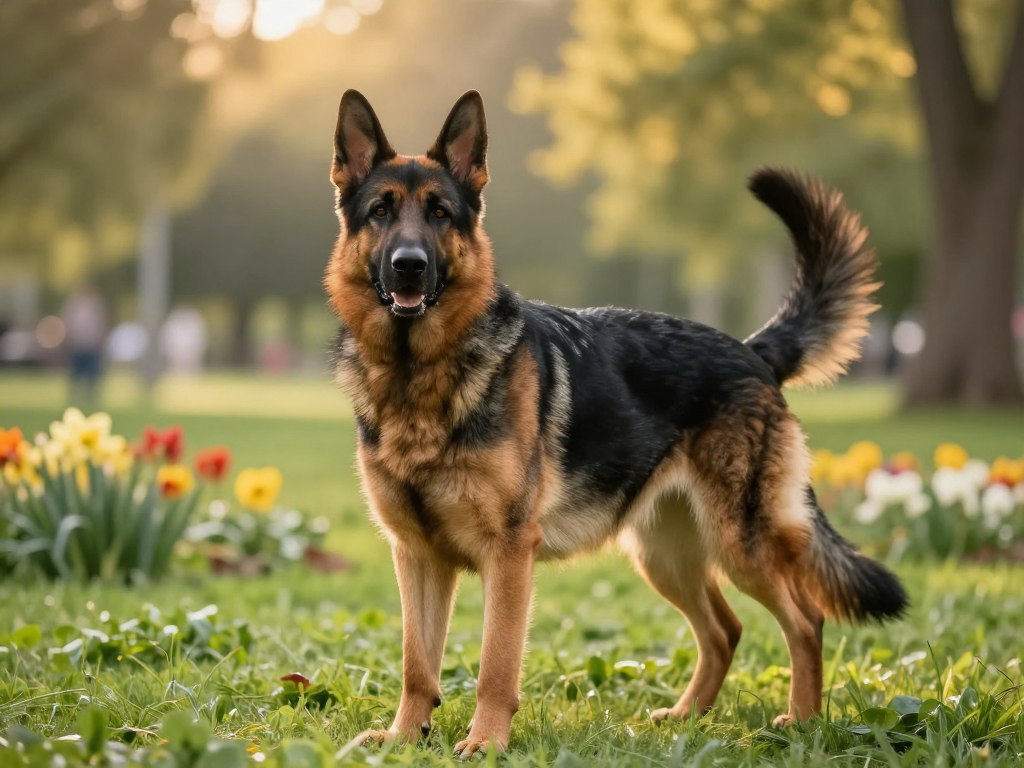
Understanding the unique nature of the german shepherd requires a look at their rich history and high-energy lifestyle. This breed is widely recognized for its ability to adapt to various roles, from family protector to service animal.
History and Working Heritage
Originally developed in Germany for herding sheep, these dogs quickly proved their worth in diverse fields. Their ancestors were selected for intelligence, strength, and agility, traits that remain central to the breed today.
As one of the most popular large dog breeds, they transitioned seamlessly from the farm to police and military work. This heritage explains why they are so focused when given a task to complete.
Intelligence and Protective Instincts
The large dog breed characteristics that define this animal include a sharp mind and a deep sense of loyalty. They are naturally observant and often act as a watchful guardian for their human companions.
Their protective nature is not born of aggression, but rather a strong desire to keep their family safe. When properly socialized, they become calm and steady members of the household.
Managing the High Energy of a German Shepherd
Because they are a large breed with significant stamina, these dogs require consistent physical activity. A simple walk around the block is rarely enough to satisfy their need for movement.
Owners should provide a “job” for their german shepherd to keep them mentally sharp. This could involve agility training, scent work, or advanced obedience exercises.
Providing this structure prevents boredom and ensures your large companion remains happy. A busy dog is almost always a well-behaved dog, especially with a breed as driven as the german shepherd.
Golden Retriever: The Gentle Companion
Few dogs capture the hearts of families quite like the friendly golden retriever. This affectionate animal is consistently ranked among the most popular large dog breeds due to its patient and kind nature.
The Famous Golden Personality
The personality of this dog breed is defined by an eagerness to please and a deep love for human interaction. They thrive when they are included in family activities, making them excellent companions for active households.
Their gentle temperament makes them highly reliable, even around young children. Because they are so social, they rarely enjoy being left alone for long periods.
Coat Care and Shedding Realities
One of the most notable large dog breed characteristics is the thick, water-resistant double coat. While this coat is beautiful, it requires consistent grooming to prevent painful mats and tangles from forming.
Owners should be prepared for significant shedding, especially during the spring and fall seasons. Regular brushing at least three times a week will help keep their fur healthy and your home much cleaner.
Socialization Needs for a Balanced Dog
Proper socialization is vital for any dog breed to ensure they remain confident in various environments. Exposing your pet to new people, sounds, and other animals early in life helps them develop a well-rounded personality.
When well-socialized, these dogs remain calm and friendly in public settings. This training is a key part of managing the unique large dog breed characteristics that define this wonderful animal.
| Trait | Level | Requirement |
|---|---|---|
| Grooming Needs | High | Weekly Brushing |
| Social Interaction | Very High | Daily Engagement |
| Shedding Level | High | Seasonal Maintenance |
| Trainability | Excellent | Positive Reinforcement |
Rottweiler: The Loyal Protector
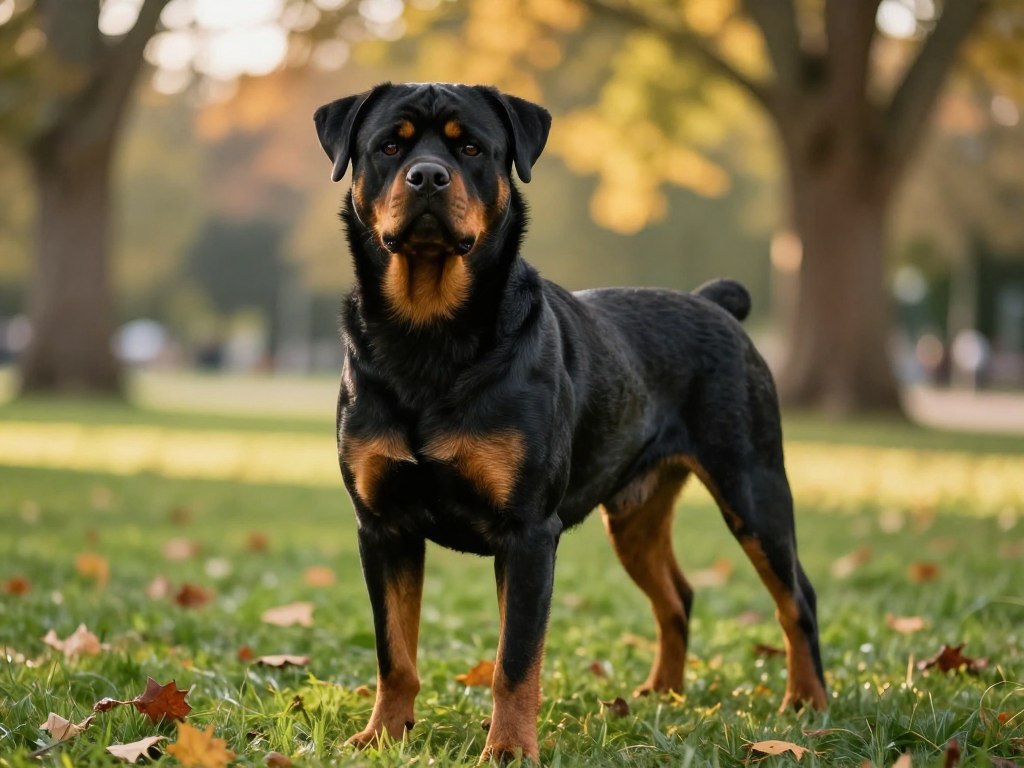
The rottweiler stands out as a powerful and often misunderstood member of the popular large dog breeds. While their imposing physical presence can be intimidating to strangers, those who know the breed understand that their true nature is far from aggressive. They are confident, calm, and deeply devoted to their human companions.
Dispelling Myths About the Rottweiler
A common misconception is that these dogs are inherently dangerous or unpredictable. In reality, when raised in a loving environment, they are stable and reliable partners. Much of the negative reputation stems from poor ownership rather than the breed itself.
Understanding the true large dog breed characteristics is essential for any potential owner. These dogs are not naturally mean; they are simply protective of their territory and family. With proper guidance, they become gentle giants who are incredibly patient with their loved ones.
Bonding and Loyalty to Family Members
The bond a rottweiler forms with its family is profound and lasting. They are known to be “velcro dogs” that prefer to stay close to their owners throughout the day. This deep sense of loyalty makes them excellent companions for those who want a dog that is truly part of the household.
Because they are so attached to their people, they do not thrive when left alone for long periods. They need to feel like a valued member of the pack to remain happy and well-adjusted. Their protective nature is simply an extension of this intense devotion to their family.
The Importance of Early Socialization
Early socialization is the most critical factor in raising a well-behaved large dog. Exposing your puppy to various people, environments, and other animals helps them develop into a confident adult. This process ensures they can distinguish between a friendly visitor and a genuine threat.
Using positive reinforcement techniques is highly effective for this intelligent breed. By rewarding good behavior, you can channel their natural instincts into a positive outlet. A well-socialized rottweiler is a joy to own and a testament to the rewards of patient, consistent training.
Know Large Dog Breed – Labrador, German Shepherd, Golden Retriever, Rottweiler: A Comparative Analysis
A side-by-side look at these four iconic breeds helps simplify the decision-making process for your next family pet. By evaluating their physical stature and natural drive, you can determine which companion best fits your daily routine. This large dog breeds comparison serves as a practical guide for potential owners.
“The better you understand the specific needs of your dog, the stronger the bond you will build together.”
Size and Weight Comparison Table
Understanding the physical scale of your future pet is vital for your living space. The following table outlines the typical weight ranges for a healthy adult labrador, german shepherd, golden retriever, and rottweiler.
| Breed | Average Weight (lbs) | Build Type |
|---|---|---|
| Labrador | 55–80 | Sturdy and Athletic |
| German Shepherd | 50–90 | Muscular and Agile |
| Golden Retriever | 55–75 | Balanced and Strong |
| Rottweiler | 80–135 | Powerful and Robust |
Energy Level Rankings
Beyond physical size, large dogs often possess varying degrees of stamina. A labrador and a golden retriever typically require consistent daily play to stay happy. These breeds thrive when given plenty of room to run and explore.
In contrast, the german shepherd and the rottweiler often channel their energy into focused tasks or protective roles. While all these dogs are large, their specific activity needs can differ significantly based on their working heritage. Choosing the right match ensures a harmonious home environment for both you and your dog.
Temperament and Personality Differences
Understanding the unique temperament of your large dog is the secret to a happy household. Every dog breed possesses a distinct personality profile that influences how they react to their environment and family members. Recognizing these traits early helps owners create a balanced and harmonious living space.
Playfulness vs. Seriousness
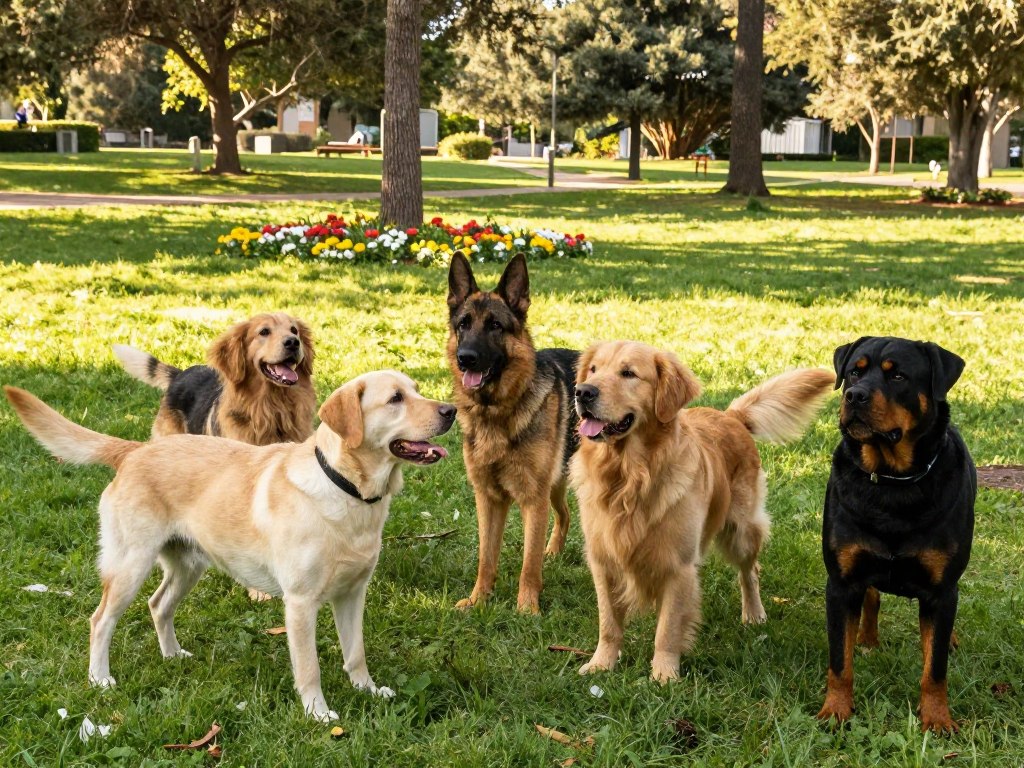
Some breeds are naturally exuberant and thrive on constant activity. For instance, the Golden Retriever is famous for its playful and outgoing nature, often acting like a puppy well into its adult years. This high-energy approach makes them excellent companions for active families who enjoy outdoor games.
In contrast, other breeds exhibit a more serious and watchful demeanor. A Rottweiler or a German Shepherd may approach new situations with caution rather than immediate excitement. While they are deeply loyal, their personality is often more focused on observing their surroundings to ensure the safety of their pack.
Affection Levels and Human Interaction
The way a large dog expresses affection can vary greatly depending on their heritage. Some dogs are naturally tactile and seek constant physical contact, while others show their love through quiet presence and steady loyalty. Understanding these nuances is vital for building a strong, lasting bond with your pet.
Social interaction is a core need for every dog breed, regardless of their size. While a Labrador might greet every visitor with a wagging tail, a more reserved breed might take time to warm up to strangers. Tailoring your engagement strategies to match these individual personality traits ensures that your dog feels secure, understood, and deeply loved within your home.
Exercise and Activity Requirements
Every large dog breed thrives when their physical needs are met with a mix of mental challenges. While many owners focus solely on long walks, these powerful animals require a more holistic approach to stay truly content. A balanced routine prevents boredom and helps manage the high energy levels common in these breeds.
Mental Stimulation vs. Physical Exercise
Physical exercise is vital for maintaining a healthy weight and strong joints in a large dog breed. However, physical activity alone often fails to satisfy the sharp intellect of working dogs like the German Shepherd or the Rottweiler. These intelligent animals need tasks that challenge their problem-solving skills to prevent destructive behaviors at home.
When you combine physical movement with mental engagement, you create a more stable and happy companion. Think of mental stimulation as a workout for the brain, which is just as tiring as a long run. Incorporating these elements ensures your pet remains calm and focused throughout the day.
Best Activities for Large Breeds
To keep your large dog breed engaged, try mixing up your daily routine with varied activities. Scent work is an excellent way to tap into their natural instincts, while puzzle toys can keep them occupied during quiet hours. Structured training sessions also provide the mental discipline that these breeds crave.
The following table outlines effective ways to balance physical and mental health for your pet:
| Activity Type | Primary Benefit | Intensity Level |
|---|---|---|
| Structured Fetch | Physical Fitness | High |
| Scent Work Games | Mental Stimulation | Moderate |
| Obedience Training | Mental Discipline | Moderate |
| Agility Courses | Physical & Mental | High |
Consistency is the key to success when managing the needs of a large dog breed. By rotating these activities, you ensure that your dog stays physically fit and mentally sharp for years to come. Always observe your dog’s response to ensure the activity level matches their specific age and health status.
Grooming and Maintenance Needs
Keeping your large companion clean and healthy starts with a solid grooming plan. Beyond simple aesthetics, regular maintenance is vital for monitoring skin health and ensuring your pet remains comfortable throughout the year.
Double-Coated Breeds and Shedding Seasons
Many popular breeds, such as the Labrador, German Shepherd, and Golden Retriever, possess a double coat. This specialized fur consists of a soft, insulating undercoat and a tougher outer layer designed to protect them from the elements.
During seasonal transitions, these dogs undergo a process often called “blowing coat.” You will notice a significant increase in shedding as they lose their thick winter undercoat to prepare for warmer weather.

Consistent brushing during these periods is essential to prevent painful matting and tangles. Using the right tools, such as an undercoat rake or a slicker brush, makes this task much easier for any large dog breed owner.
Professional Grooming vs. At-Home Care
Deciding between professional services and at-home care depends on your schedule and your dog’s specific needs. At-home grooming allows for frequent bonding and helps you spot potential issues like skin irritations or ticks early on.
However, professional groomers offer specialized services that are difficult to replicate at home. They have access to high-velocity dryers and professional-grade shampoos that can deep-clean a large coat more effectively than standard household tools.
For many owners, a hybrid approach works best. You can handle daily maintenance and brushing at home, while scheduling professional visits for deep cleaning and nail trimming. This balanced strategy ensures your dog breed stays happy, clean, and healthy for years to come.
Health Considerations and Lifespan
Understanding the specific health needs of your large dog is essential for a long and happy life together. While these animals are robust and active, their size often influences their physical well-being in unique ways. Being proactive allows you to catch potential issues early and provide the best quality of life for your companion.
Common Genetic Issues in Large Breeds
Every dog breed of significant size carries a genetic predisposition to certain conditions that owners should monitor closely. Joint health is a primary concern, as conditions like hip and elbow dysplasia can cause discomfort as your pet ages. These skeletal issues often stem from rapid growth patterns during puppyhood.
Another critical health risk for a large dog is gastric dilatation-volvulus, commonly known as bloat. This condition occurs when the stomach fills with gas and twists, which can be life-threatening. Recognizing the signs, such as a distended abdomen or unproductive retching, is vital for immediate veterinary intervention.
Preventative Care and Nutrition
Proper nutrition serves as the foundation for a healthy life, especially for a large dog breed. Feeding your pet a diet specifically formulated for their size and life stage helps manage their weight and supports joint health. Avoiding excessive calorie intake during their developmental years is a simple way to reduce stress on their growing bones.
Consistent veterinary check-ups are the best way to ensure your dog stays in peak condition. By staying ahead of potential problems, you can help your pet enjoy a full and active life. Consider these essential steps for maintaining your dog’s health:
- Schedule annual wellness exams to monitor for early signs of joint stiffness or heart issues.
- Maintain a healthy weight to prevent unnecessary strain on the hips and spine.
- Provide age-appropriate exercise to keep muscles strong without overworking developing joints.
- Use elevated feeding stations if recommended by your veterinarian to help with digestion.
Training Potential and Intelligence
When you bring home a large dog, you quickly realize that their intelligence is both a gift and a challenge. These animals are often eager to please, yet their size makes proper guidance essential for a harmonious household. Understanding how your specific dog breed learns is the first step toward a successful partnership.
Trainability Across the Four Breeds
The Labrador Retriever and Golden Retriever are widely recognized for their eager-to-please nature. They typically respond well to consistent routines and thrive when given clear tasks to perform. Their desire to work alongside their owners makes them highly responsive to basic obedience training.
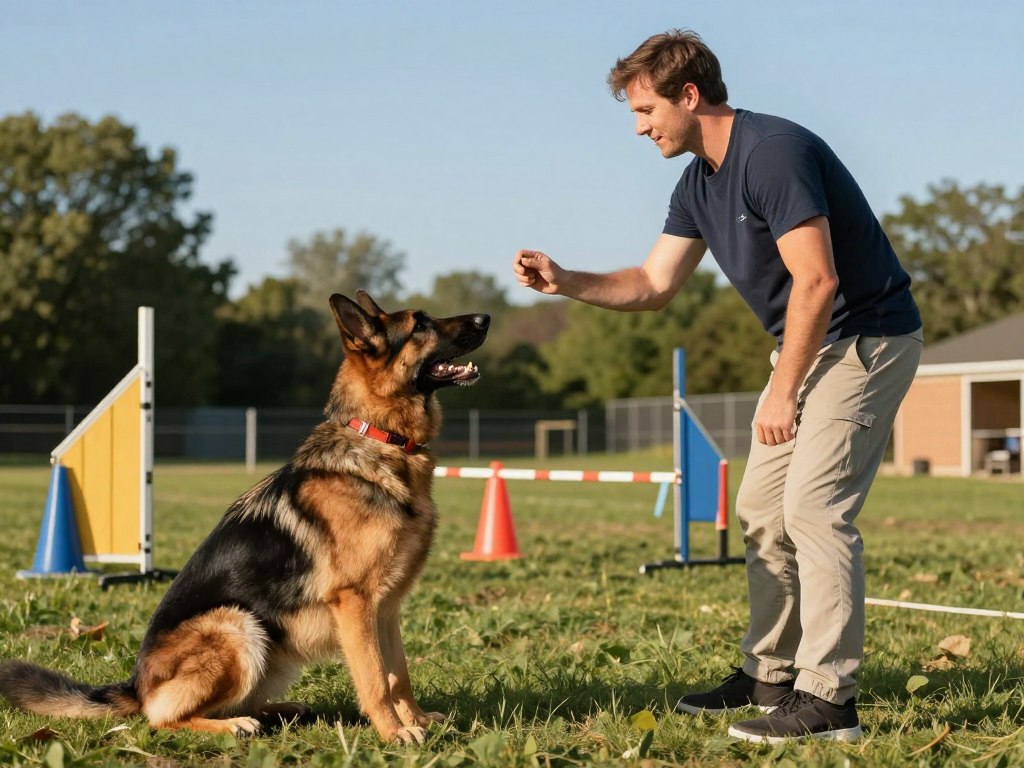
German Shepherds and Rottweilers possess a sharper, more intense focus. These breeds often excel in advanced training scenarios because they are naturally protective and highly observant. While they require a firm hand, they are incredibly loyal and find great satisfaction in mastering complex commands.
Positive Reinforcement Techniques
The most effective way to build a strong, respectful relationship with these powerful animals is through positive reinforcement. By rewarding desired behaviors with treats, praise, or play, you encourage your dog to repeat those actions. This method fosters trust rather than fear, which is vital for any large companion.
Consistency remains the cornerstone of any training program. Whether you are teaching a new trick or reinforcing house rules, keep your sessions short and upbeat. Patience is your greatest tool, as it allows your dog breed to process information without feeling overwhelmed or anxious.
Always remember that training is a lifelong journey rather than a one-time event. By dedicating time each day to mental stimulation, you ensure your pet remains well-behaved and confident in various environments. A well-trained dog is a happy dog, and the effort you invest today will pay off for years to come.
Choosing the Right Breed for Your Lifestyle
Bringing a large dog into your home is a life-changing decision that requires careful planning. It is essential to look beyond the initial appeal of a specific dog breed to ensure your daily habits align with the animal’s needs. By taking an honest look at your personal circumstances, you can foster a long and happy relationship with your new companion.
Assessing Your Living Space
Your physical environment is the first factor to consider when evaluating the best large dog breeds. While many people believe that big dogs require massive estates, the quality of your space often matters more than the total square footage. A well-exercised dog is typically calm and content indoors, regardless of the size of your home.
Consider whether you have easy access to outdoor areas for potty breaks and play. If you live in an apartment, you must be prepared to provide consistent outdoor time. Proximity to parks or walking trails can significantly improve the quality of life for a large dog living in a smaller space.
Matching Activity Levels with Breed Traits
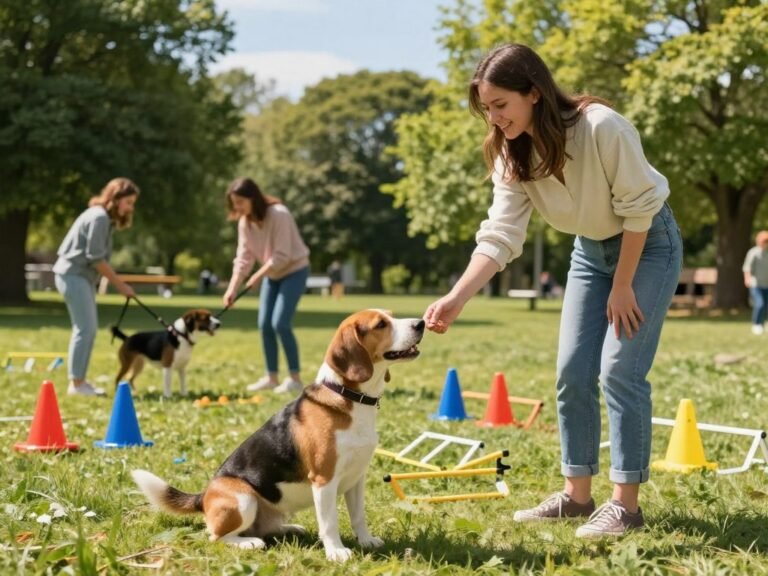
Every large dog breed possesses unique energy levels that dictate how much exercise they require daily. Some breeds are natural athletes that thrive on long runs, while others prefer steady walks and mental stimulation. Matching these traits to your own activity level is the secret to a harmonious household.
If you enjoy an active lifestyle, a high-energy dog might be your perfect partner. However, if you prefer a more relaxed pace, you should look for breeds known for their steady and calm temperament. Being realistic about your time commitment ensures that your pet receives the physical and mental engagement they deserve.
| Breed | Activity Level | Space Requirement | Best For |
|---|---|---|---|
| Labrador | High | Moderate/Large | Active Families |
| German Shepherd | Very High | Large/Yard | Working/Training |
| Golden Retriever | Moderate | Moderate | Social Households |
| Rottweiler | Moderate | Large | Experienced Owners |
Ultimately, choosing the best large dog breeds comes down to finding a balance between your routine and the needs of the animal. When you prioritize compatibility, you set the stage for a rewarding experience with your chosen dog breed. Taking the time to research these traits now will save you from common challenges later.
Conclusion
Selecting the right companion requires a deep look at your daily routine and living space. Whether you choose a labrador, german shepherd, golden retriever, or rottweiler, your life will change in wonderful ways. Each large dog breed brings unique energy and devotion to a household.
Our large dog breeds comparison highlights how vital it is to match a pet to your specific lifestyle. A large animal needs consistent care, proper nutrition, and plenty of room to roam. You hold the power to create a lasting bond by meeting these physical and mental needs every single day.
Take time to reflect on the traits that matter most to your family. A loyal dog breed offers more than just protection or play. These animals provide a deep sense of friendship that enriches your home environment for years. Start your journey today by visiting local shelters or reputable breeders to meet these incredible dogs in person.
## FAQ
### Q: What are the primary large dog breed characteristics I should look for?
A: When evaluating a large dog breed, you should look for a combination of a sturdy, powerful build and a temperament that aligns with your household. Typically, these dogs weigh over 50 pounds. Key large dog breed characteristics include high intelligence, a protective nature, and a deep capacity for loyalty. Whether you are looking at a Labrador or a Rottweiler, understanding their specific energy levels and social needs is essential for a happy home.
### Q: Why is the Labrador Retriever considered one of the best large dog breeds for families?
A: The Labrador consistently ranks as one of the best large dog breeds because of its incredibly friendly and outgoing personality. They are known for being patient with children and highly adaptable to various social situations. Their athletic build makes them perfect for active American families who enjoy outdoor activities, while their eagerness to please makes training with tools like Blue Buffalo treats a rewarding experience.
### Q: How does a large dog breeds comparison help in choosing between a German Shepherd and a Golden Retriever?
A: A large dog breeds comparison highlights that while both are intelligent, their purposes differ. The German Shepherd is a versatile worker with strong protective instincts, requiring a “job” and significant mental stimulation. In contrast, the Golden Retriever is famous for its gentle, patient temperament and playfulness. Choosing between them depends on whether you want a focused guardian or a soft-natured companion.
### Q: What should I know about the grooming needs of popular large dog breeds?
A: Many popular large dog breeds, such as the Golden Retriever and the German Shepherd, possess thick double coats. These require consistent maintenance to manage shedding and prevent matting, especially during seasonal changes. Using high-quality tools like the FURminator can help owners manage coat health at home, though professional grooming is often recommended to keep their skin in top condition.
### Q: Are Rottweilers good for first-time owners looking for a large dog breed?
A: The Rottweiler is a powerful and confident dog breed that is deeply loyal to its family. While they are wonderful companions, they are often best suited for owners who can commit to early socialization and firm, consistent training. Using positive reinforcement and high-value rewards, such as Kong toys stuffed with treats, helps channel their intelligence and protective nature into positive behavior.
### Q: What are the most common health concerns for a large dog?
A: Owners of a large dog should be proactive about joint health and conditions like bloat. Because of their size, breeds like the German Shepherd and Labrador can be prone to hip dysplasia. Providing specialized nutrition, such as Purina Pro Plan Large Breed formula, and maintaining a healthy weight are critical steps in ensuring your dog lives a long, comfortable life.
### Q: How much exercise do these popular large dog breeds actually need?
A: Most popular large dog breeds require a balance of physical activity and mental engagement. A simple walk is often not enough for a German Shepherd or a Labrador. Incorporating fetch, hiking, or agility training ensures they burn off energy. Mental stimulation is equally important; interactive puzzles can help prevent boredom-based behaviors in these highly intelligent animals.
### Q: How do I determine which is the right dog breed for my living space?
A: When selecting a dog breed, honestly assess your environment and activity level. While a Golden Retriever is highly adaptable, they still need space to move. If you live in a smaller home, you must be committed to providing frequent outdoor excursions. Matching the breed’s natural energy—such as the high drive of a German Shepherd versus the occasionally calmer demeanor of a mature Rottweiler—is key to a harmonious lifestyle.