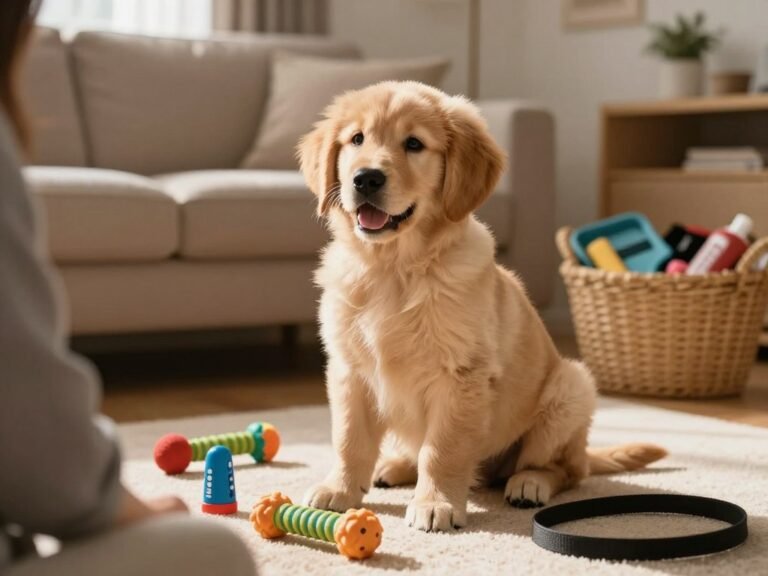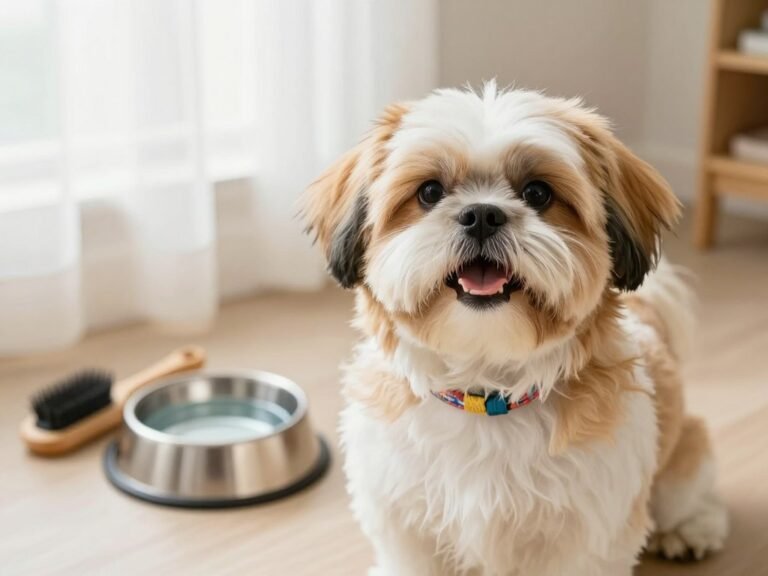
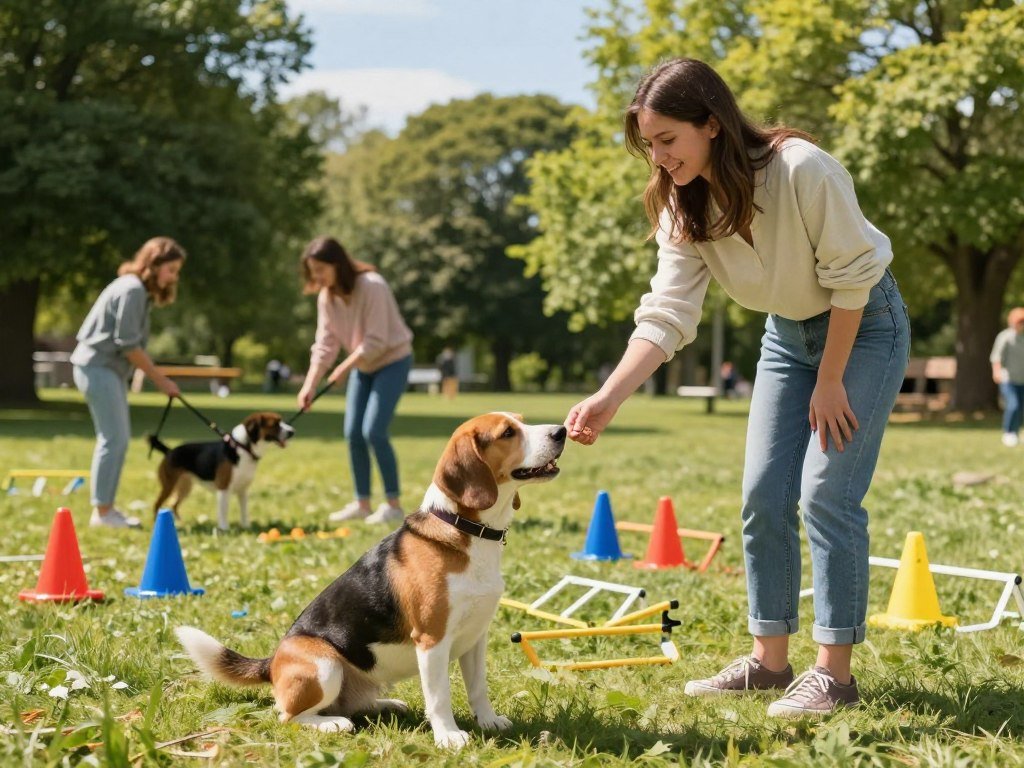
Did you know that this popular breed actually comes in two distinct sizes? While many people assume they are all medium-sized, these dogs can stand between 12 and 15 inches tall, or remain under 12 inches as a miniature variety.
Understanding these physical traits is just the beginning of your journey. Providing proper beagle care is essential to ensure your companion stays happy and healthy throughout their life. Because these dogs are naturally curious and energetic, they require a structured environment to truly thrive.
Investing time in consistent beagle training helps manage their independent spirit. By focusing on positive reinforcement, you can build a strong bond with your pet. This guide offers practical advice for every owner looking to master the art of raising a well-adjusted beagle.
Key Takeaways
- Recognize that this breed exists in two specific size categories.
- Prioritize consistent daily routines to support physical and mental health.
- Use positive reinforcement techniques for the best behavioral results.
- Understand that early socialization is vital for a friendly temperament.
- Tailor your exercise plan to match their high energy levels.
Understanding the Beagle Breed Characteristics
If you are considering adding a hound to your family, understanding the unique beagle breed is the first step toward a happy home. These dogs are famous for their merry personalities and their ability to charm anyone they meet. By learning about their background, you can better prepare for the joys and challenges of life with this energetic companion.
History and Purpose of the Breed
The beagle breed has a long history as a dedicated scent hound. Originally developed in Great Britain, these dogs were bred to track small game across rugged terrain. Their keen sense of smell is legendary, often leading them to follow interesting scents wherever they may lead.
“The beagle is a merry little hound, always ready for an adventure and eager to please his human companions.”
Typical Temperament and Personality Traits
When it comes to beagle temperament, you will find a dog that is incredibly friendly and affectionate. They are pack animals by nature, which means they thrive on companionship and rarely enjoy being left alone for long periods. Their curious and independent spirit is a hallmark of their personality, often requiring a patient owner who understands their drive to explore.
These dogs are known for being gentle with children and other pets, making them excellent family members. However, their beagle characteristics also include a stubborn streak. You should expect a dog that thinks for itself, which makes consistent training a vital part of your daily routine.
Physical Attributes and Size Standards
Beagles are sturdy, compact dogs with a smooth, dense double coat that is easy to maintain. They are instantly recognizable by their floppy ears, expressive eyes, and a tail that seems to never stop wagging. Understanding their physical standards helps owners manage expectations regarding their dog’s specific needs.
The American Kennel Club recognizes two distinct size categories for the breed. These standards help owners understand the growth potential and exercise requirements of their specific dog.
| Size Category | Height Range | Typical Weight |
|---|---|---|
| Small Variety | Under 13 inches | 18–20 pounds |
| Large Variety | 13 to 15 inches | 20–30 pounds |
| General Build | Compact/Sturdy | Varies by activity |
Whether you have a smaller or larger beagle, their physical health depends on regular activity and a balanced diet. Keeping these beagle characteristics in mind will ensure your pet stays healthy and happy throughout their life.
Preparing Your Home for Beagle Puppies
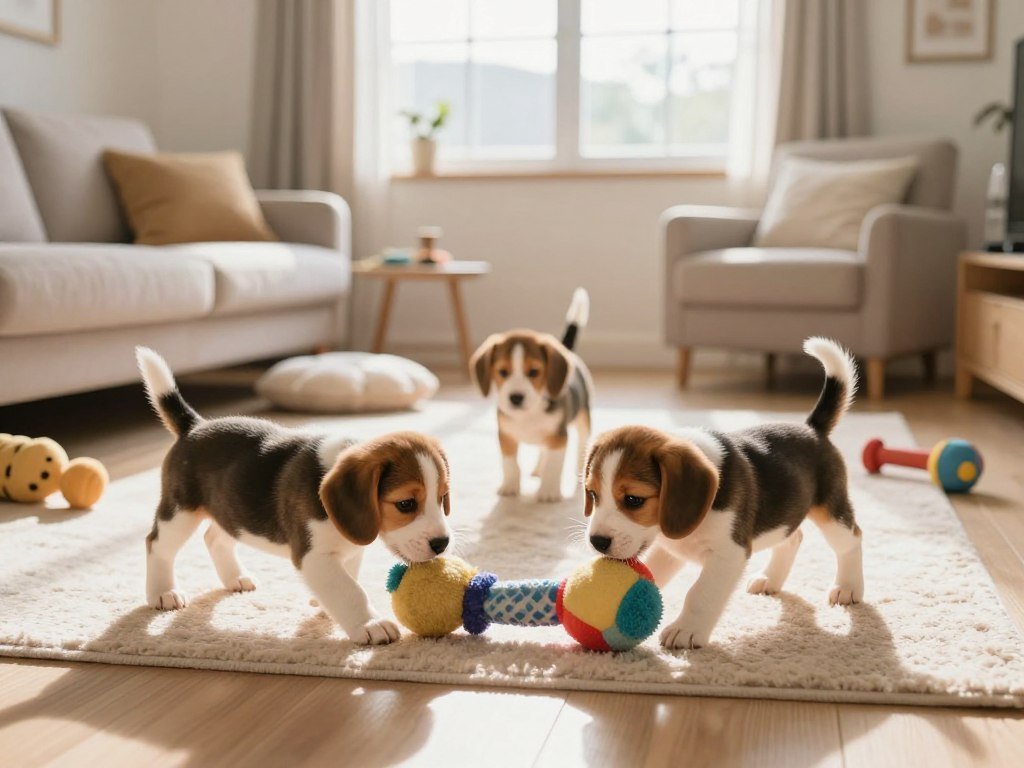
Because Beagles are naturally inquisitive, setting up your home correctly is vital for their safety. These dogs possess a strong sense of smell that drives them to investigate every corner of your house. Understanding the unique beagle temperament is the first step in ensuring your new companion stays out of trouble.
Puppy-Proofing Your Living Space
You must secure all potential hazards before your new arrival settles in. Beagles are notorious for their ability to sniff out food left on counters or hidden in trash cans. Always keep your kitchen surfaces clear and use locking lids on all waste bins to prevent accidental ingestion of harmful items.
Electrical cords and small household objects should be tucked away or covered. Since these dogs are highly motivated by scent, they will find anything that smells interesting. Taking these precautions early helps protect your beagle puppies from unnecessary risks.
“The best way to prepare for a new dog is to see the world from their height, removing anything that might tempt a curious nose.”
Essential Supplies for New Owners
Investing in the right gear makes the transition much smoother for everyone involved. A sturdy crate is essential for house training and provides a secure retreat when you cannot supervise your pet. You should also stock up on durable chew toys that can withstand the persistent nature of the breed.
Having a variety of puzzle toys will keep their active minds engaged. Remember that beagle puppies require consistent stimulation to remain happy and well-behaved. Providing appropriate outlets for their energy prevents them from developing destructive habits around the house.
Creating a Safe Den Environment
Every dog needs a quiet, comfortable space to call their own. By setting up a dedicated den, you provide a sanctuary that supports a calm beagle temperament during stressful times. This area should be quiet, draft-free, and equipped with soft bedding to encourage relaxation.
Consistency is key when introducing your pet to their new environment. Ensure that all family members understand the rules regarding this space to maintain a sense of security. With a well-prepared home, you are setting the stage for a long and joyful life with your new friend.
Essential Beagle Care and Nutrition
Beagles are famous for their love of food, making proper nutrition a top priority for owners. Because this breed is highly food-motivated, beagle care requires a disciplined approach to mealtime. Providing high-quality fuel is the best way to support your pet’s energy levels and long-term beagle health.
Choosing the Right Diet for Your Beagle
Selecting the correct food depends on your dog’s specific life stage. Puppies require nutrient-dense formulas to support rapid growth, while adults need a balanced diet to maintain muscle mass. Always look for high-quality protein sources as the primary ingredient to ensure your beagle dog thrives.
Consulting with your veterinarian is a smart step when choosing a brand. They can recommend options that address specific sensitivities or activity levels. Avoid fillers and excessive grains, as these provide little nutritional value for an active hound.
Managing Caloric Intake to Prevent Obesity
The beagle dog is notoriously prone to obesity due to its insatiable appetite. To protect your pet, you must avoid free-feeding at all costs. Leaving food out all day leads to overeating and unnecessary weight gain, which puts extra strain on their joints.
Instead, use a measuring cup to provide precise portions based on your vet’s guidance. Treat calories should also be accounted for in their daily total. Keeping your companion at a healthy weight is a vital component of proactive beagle health.
Hydration and Feeding Schedules
Consistency is the secret to a happy and healthy pet. Establish a routine by feeding your dog at the same times every morning and evening. This structure helps regulate their metabolism and makes house training much easier.
Fresh, clean water must be available at all times to keep your dog hydrated. Use the following table as a general guide for structuring your feeding routine:
| Life Stage | Meals Per Day | Focus Area |
|---|---|---|
| Puppy (2-6 months) | 3 to 4 | Growth and development |
| Adult (1-7 years) | 2 | Weight management |
| Senior (7+ years) | 2 | Joint support and digestion |
Establishing a Consistent Beagle Training Routine
Beagles are famous for their intelligence, but they often march to the beat of their own drum. Because these dogs are independent thinkers, you must approach their education with a firm but gentle hand. A structured routine helps your pet understand exactly what you need from them every single day.
The Importance of Positive Reinforcement
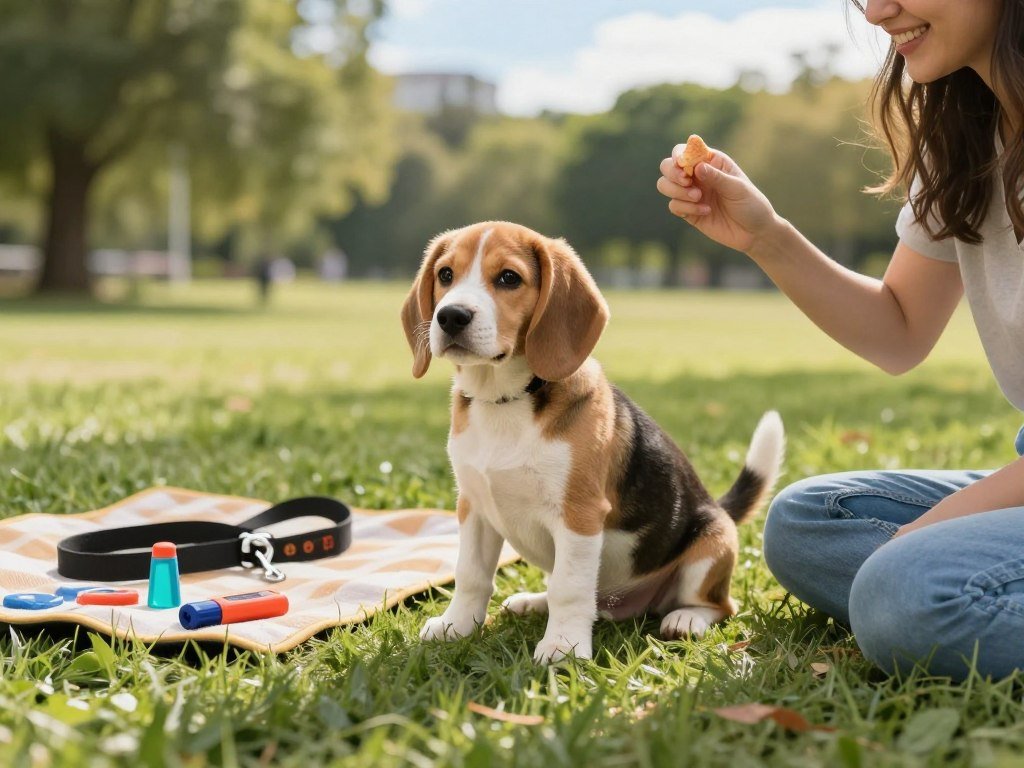
When it comes to beagle training, motivation is everything. These dogs respond best to rewards like tasty treats, enthusiastic praise, and play. By focusing on positive reinforcement, you keep your dog engaged and eager to learn new skills.
Keep your training sessions short and frequent to prevent boredom. A tired or frustrated dog will quickly lose interest in the lesson. Always end each session on a high note to ensure your companion feels successful and happy.
Setting Boundaries and House Rules
Establishing clear house rules early on is vital for beagle puppies. You must decide immediately which areas are off-limits and what behaviors are acceptable. Consistency in these rules prevents confusion and helps your dog feel secure in their environment.
Potty training can be a unique challenge for this breed because of their powerful nose. They can easily smell where they have previously soiled, which may lead them to return to the same spot. Use an enzymatic cleaner to remove all traces of odors to help your dog succeed.
Consistency in Commands and Expectations
The most effective way to raise a well-behaved beagle is to ensure every family member is on the same page. If one person allows the dog on the couch while another forbids it, the dog will become confused. Everyone in the household must use the same verbal cues and follow the same set of rules.
Consistency is the secret ingredient to a harmonious home. When your dog hears the same command and receives the same reaction every time, they learn much faster. Stay patient, stay steady, and enjoy the rewarding process of building a bond with your pet.
Managing the Beagle Prey Drive and Scent Instincts
Beagles are famous for their incredible noses, but this trait requires special attention from owners. Their sense of smell is roughly 1,000 times more sensitive than that of a human. Because of this, a beagle can easily become distracted by a fascinating scent, leading them to wander off if they are not properly supervised.
Understanding the Scent-Driven Nature
This breed was developed for tracking, meaning their brains are hardwired to follow interesting odors. When they catch a scent, their focus shifts entirely to the trail, often ignoring commands from their owners. It is important to remember that this behavior is not stubbornness; it is simply their natural instinct taking over.
Leash Training and Recall Safety
Effective beagle training must prioritize safety during outdoor excursions. You should always keep your dog on a sturdy leash in unfenced areas to prevent them from bolting after a scent. While you can work on recall, you must accept that a scent-focused dog may not always listen in the heat of the moment.
Investing in a secure, high-fenced yard is a great way to provide your pet with freedom while keeping them safe. Always check your perimeter for gaps, as these clever dogs are experts at finding ways to escape. Consistent practice with long-line training can also help build a stronger connection between you and your pet.
Managing Interactions with Small Pets
Because of their history as hunting dogs, beagles often possess a strong prey drive. This instinct can sometimes lead to tension when they are around smaller household pets like cats or rabbits. Proper beagle training involves early socialization and careful supervision to ensure everyone in your home stays safe.
Always introduce your dog to other animals in a controlled, calm environment. If you notice your dog becoming overly fixated on a smaller pet, use positive redirection to shift their focus back to you. Patience and consistency are the keys to helping your dog live peacefully alongside smaller companions.
Socialization Strategies for a Well-Adjusted Beagle
Early socialization is the secret to ensuring your beagle grows into a calm and well-mannered adult. By introducing your pet to the world during their formative months, you help them develop the emotional resilience needed to handle new experiences without fear or anxiety.
Early Exposure to New Environments
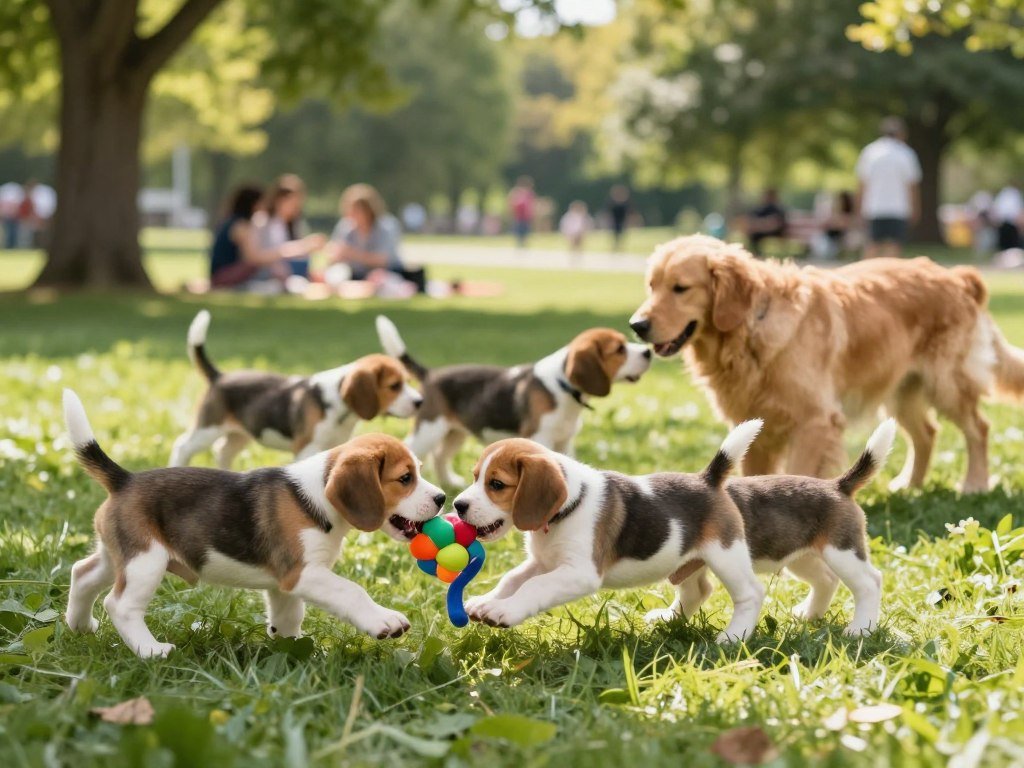
It is vital to expose beagle puppies to a variety of sights, sounds, and surfaces while they are still young. You might take them on short walks to hear traffic, visit quiet parks, or simply introduce them to household appliances like vacuums.
Consistency is key when navigating these new settings. Always ensure these experiences remain positive by offering treats and praise, which helps your dog associate the outside world with safety and joy.
Interacting with Other Dogs and People
Social skills are learned through controlled, supervised interactions. Arrange playdates with calm, vaccinated dogs to teach your beagle how to communicate effectively with others.
- Invite friends over to meet your puppy in a relaxed home setting.
- Encourage gentle handling so your dog learns to trust strangers.
- Monitor play sessions closely to prevent over-excitement or rough behavior.
Building Confidence in New Situations
Building confidence in beagle puppies requires a gradual approach that respects their natural curiosity. If your dog seems hesitant, never force them into a situation; instead, let them explore at their own pace while you provide gentle encouragement.
| Socialization Stage | Primary Goal | Recommended Activity |
|---|---|---|
| Early Weeks | Sensory Awareness | Exposure to household sounds |
| Mid-Development | Social Interaction | Supervised play with other dogs |
| Adolescence | Environmental Stability | Walking in busy public areas |
Effective Beagle Grooming and Hygiene Practices
Establishing a grooming schedule is essential for your pet’s long-term wellness. While the beagle is known for being a relatively low-maintenance breed, they still require consistent attention to stay healthy and comfortable.
Coat Maintenance and Shedding Control
These dogs possess a short, dense coat that is quite easy to manage. However, owners should be aware that they are moderate shedders throughout the year.
A simple weekly brushing session will help remove loose fur and distribute natural oils across their skin. This practice keeps their coat looking shiny and minimizes the amount of hair found on your furniture.
Ear Cleaning to Prevent Infections
Because of their signature floppy ears, this breed is prone to moisture buildup and trapped debris. Regular inspections are necessary to ensure their ear canals remain clean and dry.
Use a veterinarian-approved cleaning solution and a soft cotton ball to gently wipe the outer ear area. Never insert objects deep into the ear canal, as this can cause injury or irritation.
Dental Care and Nail Trimming
Good hygiene extends beyond the coat and ears. Routine dental care is vital to prevent tartar buildup and maintain fresh breath for your beagle.
Additionally, keep their nails trimmed to a comfortable length to prevent discomfort while walking. If you are unsure how to perform these tasks safely, your local groomer or veterinarian can provide a quick demonstration to help you build confidence.
Common Beagle Health Concerns to Monitor
While these dogs are generally robust, being aware of specific medical vulnerabilities is a key part of responsible ownership. The average beagle lifespan ranges from 10 to 15 years, but they can develop certain health issues as they age. By staying informed about these breed-specific risks, you can provide the best possible care for your companion.

Recognizing Symptoms of Hip Dysplasia
Hip dysplasia is a condition where the hip joint does not fit together perfectly, which can lead to arthritis over time. You should watch for signs such as difficulty rising, a swaying gait, or a reluctance to jump and climb stairs. Early detection is vital for managing beagle health effectively.
If you notice your pet favoring one leg or showing signs of pain during movement, consult your veterinarian immediately. Early intervention often includes weight management, physical therapy, or specialized supplements to support joint function. Keeping your beagle dog at a healthy weight significantly reduces the stress placed on their joints.
Managing Intervertebral Disc Disease Risks
Because of their long backs, these dogs are prone to Intervertebral Disc Disease (IVDD). This condition involves the cushioning discs between the vertebrae bulging or bursting, which can cause severe pain or even paralysis. Preventing excessive jumping from high furniture is a simple way to protect their spine.
Watch for symptoms like a hunched back, sensitivity to touch, or a sudden loss of coordination. If your pet seems hesitant to move or cries out when picked up, seek professional medical advice right away. Managing their environment to minimize spinal strain is a proactive step in maintaining long-term beagle wellness.
Routine Veterinary Checkups and Vaccinations
Consistent veterinary care is the cornerstone of a long and happy life for your pet. Beyond standard vaccinations, your vet should monitor for other common issues such as hypothyroidism, cherry eye, and epilepsy. These routine visits allow for early diagnosis, which often leads to better treatment outcomes.
Regular blood work and physical exams help track changes in your beagle dog over time. Staying current with preventative medications and health screenings ensures that you are doing everything possible to support their well-being. A proactive approach to beagle health is the greatest gift you can give your loyal friend.
Exercise Requirements for the Energetic Beagle
A tired dog is a good dog, especially when it comes to the spirited and curious beagle breed. These dogs possess a natural zest for life that requires consistent outlets to prevent boredom and destructive habits.
Daily Activity Needs for Physical Health
To maintain optimal beagle health, your companion needs at least one hour of dedicated exercise every single day. This activity should be vigorous enough to keep them fit while providing the mental stimulation they crave.
- Brisk daily walks to burn off excess energy.
- Interactive play sessions in a secure, fenced yard.
- Scent-based games that engage their natural tracking instincts.
Safe Outdoor Exploration and Walking
Because these dogs are scent-driven, they often follow their noses into potentially unsafe situations. Always keep your beagle on a sturdy leash during outdoor adventures to ensure they stay by your side.
Choose walking routes that offer plenty of interesting smells, as this provides a mental workout alongside physical movement. Avoid areas with heavy traffic or wildlife that might trigger their strong prey drive.
Adapting Exercise for Different Life Stages
Your dog’s physical needs will naturally shift as they grow from a playful puppy into a distinguished senior. Monitoring their beagle health during these transitions is vital for long-term comfort.
Puppies require shorter, more frequent bursts of play to protect their developing joints. In contrast, senior dogs may prefer gentle, consistent walks that keep their muscles toned without putting too much strain on their aging bodies.
Addressing Behavioral Challenges in Beagles
Living with a vocal and energetic hound requires patience and a solid understanding of canine behavior. While these dogs are affectionate, their strong instincts can sometimes lead to habits that disrupt a peaceful home. Effective beagle training is the best way to guide your pet toward better manners.
Dealing with Excessive Barking and Howling
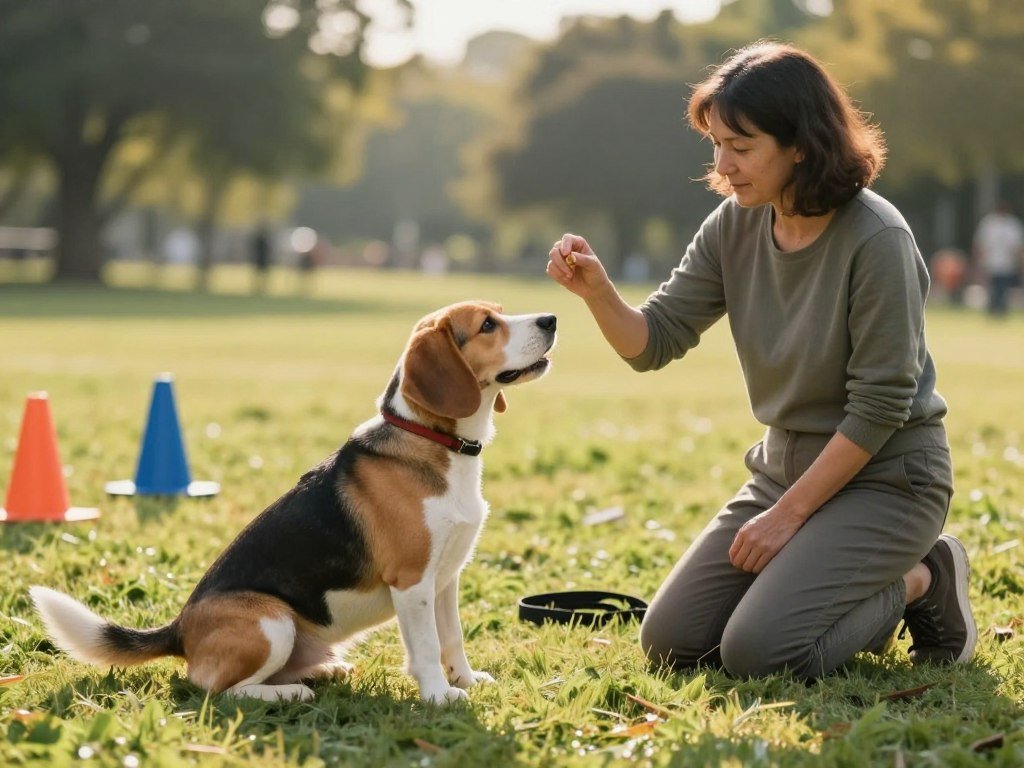
This breed is famous for its loud, long bark and distinct howl. They often use these vocalizations to express excitement or to signal that they feel lonely. You can manage this by teaching the “quiet” command during your daily sessions.
Consistency is vital when you want to curb unnecessary noise. Reward your dog when they remain silent during moments that usually trigger a vocal response. Over time, they will learn that calm behavior earns more praise than loud outbursts.
Preventing Separation Anxiety
Because they are social pack animals, these dogs often struggle when left alone for long periods. This isolation can lead to distress, which manifests as pacing or constant vocalizing. You should gradually increase the time you spend away to help them build confidence.
Creating a safe, comfortable den environment helps your beagle feel secure while you are out. Ensure they have access to familiar scents and a cozy bed. Providing a consistent routine also reduces the uncertainty that often triggers anxiety.
Correcting Destructive Chewing Habits
Destructive chewing is frequently a sign of boredom or pent-up energy. When your dog lacks mental stimulation, they may turn to your furniture or shoes for entertainment. Using puzzle toys is a fantastic way to keep them occupied while you are away.
Always provide appropriate chew toys to redirect their natural urge to gnaw. If you catch them chewing on an item they should not, calmly offer a toy instead. This positive redirection is a cornerstone of successful behavioral management.
| Behavioral Issue | Primary Cause | Recommended Solution |
|---|---|---|
| Excessive Howling | Loneliness or Excitement | Quiet command training |
| Separation Anxiety | Social pack instinct | Gradual desensitization |
| Destructive Chewing | Boredom | Interactive puzzle toys |
Mental Stimulation and Enrichment Activities
Mental stimulation provides a necessary outlet for the curious nature of your beagle dog. While physical exercise keeps their body fit, brain games satisfy their deep-seated need to investigate and solve problems. A tired mind is just as important as a tired body for a happy pet.
Using Puzzle Toys and Scent Games
Beagles are natural hunters with an incredible sense of smell. You can tap into these instincts by hiding treats around the house or using specialized scent-work kits. These activities turn a simple afternoon into an exciting treasure hunt for your companion.
To help a hungry beagle slow down during meals, consider using a slow feeder bowl. This simple tool forces them to work for their food, which provides excellent mental engagement. It also prevents digestive issues caused by eating too quickly.
Training for Canine Sports and Agility
Participating in canine sports is a fantastic way to advance your beagle training. Agility courses challenge your dog to navigate obstacles while following your lead. This builds immense confidence and improves your communication as a team.
Even if you do not plan to compete, local agility classes offer a structured environment for learning. These sessions keep your beagle focused and provide a productive outlet for their high energy levels. It is a rewarding experience that strengthens the bond between you and your pet.
The Value of Interactive Playtime
Interactive play is essential for maintaining a healthy relationship with your beagle dog. Games like hide-and-seek or tug-of-war require active participation from both you and your pet. This shared time reinforces your role as a leader and keeps your dog mentally sharp.
Consistency in these activities is the secret to successful beagle training. By dedicating time each day to enrichment, you prevent boredom and destructive behaviors. Remember that a stimulated dog is a well-behaved and content member of the family.
Building a Strong Bond with Your Beagle
Because these dogs are so people-oriented, they thrive when they feel like a true member of your family. A beagle will often follow you from room to room, simply wanting to be near their favorite humans. This natural desire for companionship makes them wonderful partners for those who value close interaction.
Quality Time and Shared Activities
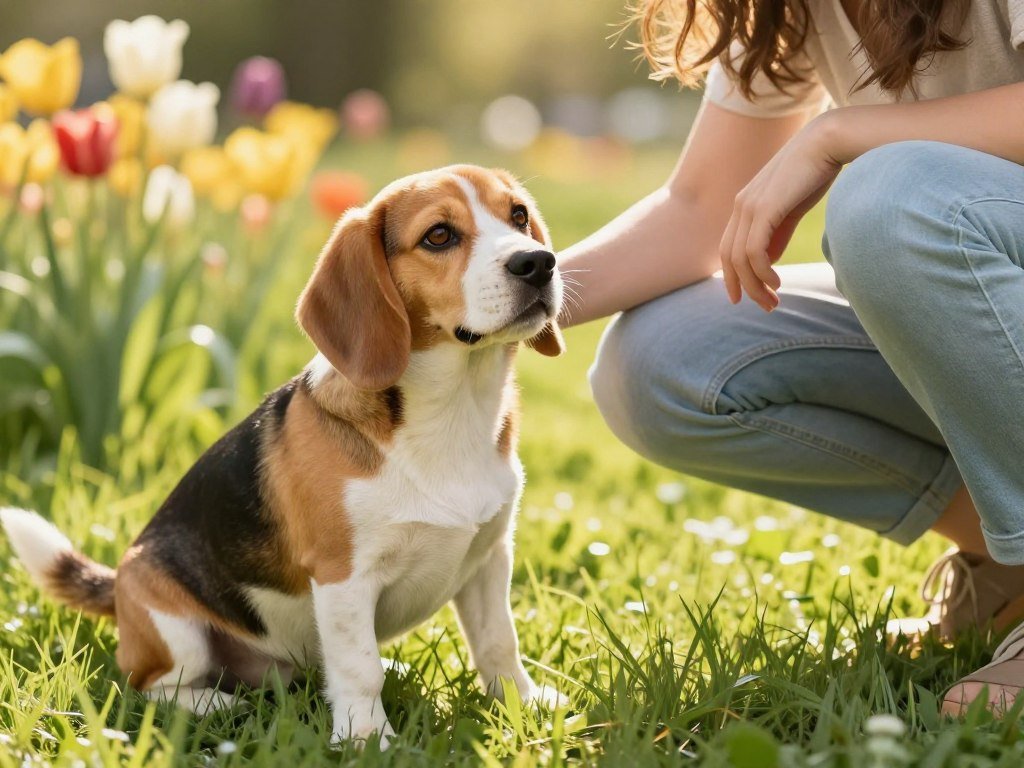
Spending meaningful time together is the cornerstone of a happy life with your pet. Whether you are heading out for a long, scent-filled walk or just relaxing on the couch, these moments strengthen your connection significantly. Engaging in shared activities helps your beagle feel secure and valued within the household.
Understanding Canine Body Language
Learning to read your dog’s signals is a vital skill for any owner. When your beagle wags their tail or tilts their head, they are communicating specific emotions and needs. By paying close attention to these subtle cues, you can respond appropriately to their feelings of joy, curiosity, or even anxiety.
Establishing Trust Through Consistent Care
Trust is built through the small, daily actions that show your pet they are safe. Providing a predictable routine and consistent training helps your beagle understand what is expected of them. When you offer loving guidance and reliable care, you create a foundation of mutual respect that will last for many years.
Ultimately, the time you invest in your beagle pays off in a lifetime of loyalty. A well-bonded dog is a happy dog, and your dedication will be rewarded with endless affection. Always remember that your beagle looks to you as their primary source of comfort and security.
Navigating the Lifespan of Your Beagle
Watching your loyal companion enter their golden years is a journey that requires patience and love. With an average life expectancy of 10 to 15 years, your beagle will eventually require a shift in their daily routine to stay happy and healthy.
Caring for Senior Beagles
Regular veterinary visits become even more critical as your dog ages. Scheduling senior wellness exams at least twice a year allows your vet to monitor for common age-related conditions like arthritis or heart issues.
Effective beagle care during this stage involves proactive health management. Keep a close eye on changes in appetite, energy levels, or bathroom habits, as these are often the first signs that your pet needs extra support.
Adjusting Care for Aging Joints and Senses
The beagle breed is known for being active, but aging joints often require modifications to their environment. Consider using orthopedic beds to provide better support for their hips and spine while they sleep.
You may also notice a decline in their vision or hearing. To help them navigate the home safely, consider these adjustments:
- Use non-slip rugs on hardwood floors to prevent falls.
- Keep furniture in the same place to avoid confusion.
- Use hand signals alongside verbal commands if their hearing fades.
- Provide ramps for getting onto couches or into vehicles.
Ensuring Comfort in the Golden Years
Maintaining a consistent routine is vital for an older dog’s mental well-being. Even if they cannot run as fast as they once did, gentle walks and light play sessions help keep their mind sharp and their body moving.
Emotional support is just as important as physical care. Spend plenty of quiet time together, offering gentle affection and reassurance to help your beagle feel secure and loved throughout their later years.
Conclusion
Bringing a dog into your home creates a bond that lasts a lifetime. You now possess the knowledge to support your beagle through every stage of life. Understanding these unique beagle characteristics helps you build a strong foundation of trust and mutual respect.
Your commitment to consistent training and proper nutrition pays off in the form of a happy, healthy pet. Every walk and play session strengthens the connection you share with your loyal friend. These small daily efforts define the quality of life your dog enjoys.
Active families find that this breed fits perfectly into their busy lifestyles. Their playful spirit brings energy and laughter to your household. Embrace the journey of pet ownership by staying observant and attentive to your dog’s needs.
Share your experiences with other owners in your local community or online groups. Learning from fellow enthusiasts keeps your skills sharp and your dog engaged. Your dedication ensures your companion remains a cherished member of your family for many years.
# Beagle Care and Training Tips Every Owner Should Know
As a new or experienced owner, bringing a beagle dog into your home is an exciting journey filled with floppy ears and wagging tails. To help you navigate the unique needs of this scent-driven breed, we have compiled a comprehensive guide based on their specific beagle characteristics and history. From managing their famous appetite with high-quality brands like Royal Canin to mastering the art of beagle training, this resource ensures your companion thrives.
## Understanding the Beagle Breed Characteristics
### History and Purpose of the Breed
The beagle breed has a storied history as a dedicated scent hound. Originally bred in England for tracking small game like rabbits, their biology is entirely centered around their nose. This explains their natural curiosity and tendency to follow a scent trail wherever it leads, often ignoring everything else around them.
### Typical Temperament and Personality Traits
The beagle temperament is one of their most endearing qualities. They are famously friendly, curious, and merry dogs. While they are excellent family companions, their independent nature—a trait necessary for a dog that needs to work away from its handler—can sometimes be mistaken for stubbornness.
### Physical Attributes and Size Standards
According to the American Kennel Club (AKC), these dogs come in two distinct size varieties: those standing under 13 inches and those between 13 and 15 inches. Regardless of size, they are sturdy, solid dogs built for endurance rather than raw speed.
## Preparing Your Home for Beagle Puppies
### Puppy-Proofing Your Living Space
Before bringing home beagle puppies, it is vital to secure your environment. Because they are driven by smell, they will find their way into trash cans or onto kitchen counters if given the chance. Ensure all cleaning supplies are locked away and that your yard has a secure, escape-proof fence.
### Essential Supplies for New Owners
Successful ownership starts with the right gear. Invest in a heavy-duty KONG toy to keep them occupied and a sturdy harness for walks. Since they are vocal, having a comfortable bed from a brand like Orvis can help them feel secure in their designated space.
### Creating a Safe Den Environment
Using a crate is a highly effective way to provide your puppy with a “den” where they feel safe. This not only aids in housebreaking but also prevents destructive chewing when you cannot supervise them directly.
## Essential Beagle Care and Nutrition
### Choosing the Right Diet for Your Beagle
Proper beagle care starts in the bowl. This breed is notorious for overeating, so choosing a life-stage-appropriate formula such as Purina Pro Plan Weight Management can help maintain a healthy physique. Avoid “free-feeding” to prevent your dog from consuming too many calories.
### Managing Caloric Intake to Prevent Obesity
Obesity is a major health risk for this breed. Use a standard measuring cup for every meal and limit high-calorie treats. Instead, use small pieces of carrots or green beans as low-calorie rewards during training.
### Hydration and Feeding Schedules
Establish a consistent feeding schedule—typically twice a day—to regulate their metabolism and bathroom habits. Always ensure they have access to fresh, clean water, especially after vigorous exercise.
## Establishing a Consistent Beagle Training Routine
### The Importance of Positive Reinforcement Beagle training requires patience and a gentle touch. They respond best to positive reinforcement. Using high-value treats and enthusiastic praise keeps them engaged, whereas harsh corrections will likely cause them to shut down or ignore you.
### Setting Boundaries and House Rules
Clear boundaries must be set from day one. Decide whether they are allowed on furniture and stick to it. If one family member allows a behavior while another forbids it, the dog will become confused and less likely to obey.
### Consistency in Commands and Expectations
Consistency is the backbone of a well-behaved dog. Use the same verbal cues and hand signals every time. Short, 5-to-10-minute sessions multiple times a day are far more effective than one long, exhausting session.
## Managing the Beagle Prey Drive and Scent Instincts
### Understanding the Scent-Driven Nature
A Beagle’s nose has roughly 220 million scent receptors. When they catch a scent, their “brain” essentially moves to their nose, which can lead to selective hearing. Understanding this instinct is key to managing their behavior outdoors.
### Leash Training and Recall Safety
Because of their prey drive, it is rarely safe to let a Beagle off-leash in an unenclosed area. Practice recall regularly, but always rely on a secure leash and a well-fitted harness during your daily walks to prevent them from wandering off.
### Managing Interactions with Small Pets
While they are generally friendly with other dogs, their hunting instincts may be triggered by smaller pets like hamsters or rabbits. Always supervise interactions and ensure smaller animals are kept in secure enclosures.
## Socialization Strategies for a Well-Adjusted Beagle
### Early Exposure to New Environments
Socialization should begin as soon as your vet clears them for public spaces. Take your Beagle to various neighborhoods, parks, and outdoor malls to expose them to different sights and sounds.
### Interacting with Other Dogs and People
Beagles are pack animals and generally love the company of others. Organized playdates or supervised visits to a reputable doggy daycare can help them refine their social cues and burn off social energy.
### Building Confidence in New Situations
If your Beagle seems hesitant about a new object or sound, use treats to create a positive association. Building their confidence early prevents fear-based anxiety or reactivity later in life.
## Effective Beagle Grooming and Hygiene Practices
### Coat Maintenance and Shedding Control
Routine beagle grooming is relatively simple. They have a short, water-resistant double coat that sheds moderately. Weekly brushing with a rubber curry brush or a Furminator will help manage loose hair and keep their coat shiny.
### Ear Cleaning to Prevent Infections
Their long, floppy ears are prone to trapping moisture and debris. Use a veterinarian-recommended cleaner, such as Virbac Epi-Otic, at least once a week to prevent painful yeast or bacterial infections.
### Dental Care and Nail Trimming
Don’t forget the basics: brush their teeth regularly with dog-safe toothpaste to prevent periodontal disease and trim their nails every few weeks to keep them walking comfortably.
## Common Beagle Health Concerns to Monitor
### Recognizing Symptoms of Hip Dysplasia
While generally hardy, beagle health can be impacted by genetic conditions like hip dysplasia. Watch for signs of limping or a “bunny hop” gait, and discuss joint supplements with your vet if you notice stiffness.
### Managing Intervertebral Disc Disease Risks
Because of their relatively long backs, Beagles are at risk for Intervertebral Disc Disease (IVDD). Avoid letting them jump from high surfaces and maintain a lean weight to reduce the strain on their spine.
### Routine Veterinary Checkups and Vaccinations
Regular visits to a clinic like VCA Animal Hospitals for blood work and vaccinations are essential. Early detection of issues like hypothyroidism or epilepsy can lead to much better long-term outcomes.
## Exercise Requirements for the Energetic Beagle
### Daily Activity Needs for Physical Health
Beagles are high-energy dogs that need at least an hour of exercise every day. A bored Beagle is often a destructive Beagle, so physical activity is a requirement, not a suggestion.
### Safe Outdoor Exploration and Walking
Long walks are great, but allow your Beagle time to “sniff and stroll.” Letting them use their nose provides mental exhaustion that is just as valuable as the physical movement.
### Adapting Exercise for Different Life Stages
A puppy will have short bursts of “zoomies,” while an adult needs sustained activity. As they age into seniors, transition to shorter, more frequent walks to keep their joints moving without causing exhaustion.
## Addressing Behavioral Challenges in Beagles
### Dealing with Excessive Barking and Howling
Beagles are famous for their “baying.” To manage this, teach the “quiet” command using treats. Often, excessive vocalization is a sign that the dog is bored or hasn’t had enough exercise.
### Preventing Separation Anxiety
As social pack animals, they dislike being alone. Use “calm exits” and provide a long-lasting treat like a stuffed KONG when you leave. Gradually increasing the time they spend alone can help build their independence.
### Correcting Destructive Chewing Habits
If your dog is chewing furniture, they likely need more appropriate outlets. Ensure they have a variety of textures to chew on and use a deterrent spray like Grannick’s Bitter Apple on forbidden items.
## Mental Stimulation and Enrichment Activities
### Using Puzzle Toys and Scent Games
Engage their brain by hiding treats around the living room or using a Nina Ottosson puzzle toy. These activities tap into their natural instincts and provide a great indoor workout.
### Training for Canine Sports and Agility
Many Beagles excel in organized scent work or agility trials. These sports provide a structured environment for them to use their energy and strengthen the bond between dog and owner.
### The Value of Interactive Playtime
Games of hide-and-seek or fetch in the backyard are simple ways to keep your dog mentally sharp. The goal is to keep them guessing and engaged with you.
## Building a Strong Bond with Your Beagle
### Quality Time and Shared Activities
Whether it’s a weekend hike or a quiet evening on the couch, spending quality time together is vital. Beagles are deeply affectionate and thrive on being part of the “family pack.”
### Understanding Canine Body Language
Learn to read your dog’s signals. A high, wagging tail usually means happiness, while a tucked tail or flattened ears can signal fear or stress. Understanding these cues helps you respond to their needs more effectively.
### Establishing Trust Through Consistent Care
Trust is built over time through consistent feeding, exercise, and fair training. When a Beagle knows what to expect from their owner, they become a more relaxed and confident companion.
## Navigating the Lifespan of Your Beagle
### Caring for Senior Beagles
In their later years, your Beagle may slow down. Continue with light exercise to keep their heart healthy, but be mindful of their changing pace.
### Adjusting Care for Aging Joints and Senses
Senior dogs may experience a decline in vision or hearing. Keep your home layout consistent and consider orthopedic bedding to support aging joints.
### Ensuring Comfort in the Golden Years
Regular senior wellness exams are crucial. With the right care and a lot of love, a Beagle can live a long, happy life well into their teens.
## FAQ
### Q: What is the most important part of beagle care?
A: Consistency in routine and weight management are the two pillars of beagle care. Because they are food-motivated and independent thinkers, maintaining a steady schedule for feeding and beagle training ensures they stay healthy and well-behaved.
### Q: Do beagle puppies have different needs than adults?
A: Yes, beagle puppies require more frequent feeding, intensive socialization, and careful puppy-proofing to protect them from their own curiosity. They also need shorter, more frequent training sessions to accommodate their shorter attention spans.
### Q: What defines the beagle temperament?
A: The beagle temperament is generally described as friendly, merry, and curious. They are social pack animals that get along well with children and other dogs, though they can be independent when they catch an interesting scent.
### Q: What are the physical beagle characteristics I should know?
A: Beagles are sturdy scent hounds that come in two sizes (under 13 inches and 13-15 inches). Notable beagle characteristics include their long, floppy ears, which help funnel scents to their nose, and their white-tipped tails, which were originally bred to help hunters spot them in tall grass.
### Q: Is the beagle breed difficult to housebreak?
A: Like many hounds, the beagle breed can be a bit slower to housebreak due to their independent nature. Using a consistent schedule and a high-quality crate, like those from MidWest Homes for Pets, can significantly speed up the process.
### Q: How often should I perform beagle grooming?
A: You should perform basic beagle grooming weekly. This includes brushing their coat to manage shedding and, most importantly, cleaning their ears with a solution like Virbac Epi-Otic to prevent infections common in floppy-eared breeds.
### Q: Are there specific beagle health issues to watch for?
A: Owners should be proactive about beagle health by monitoring for hip dysplasia, hypothyroidism, and “cherry eye.” Regular checkups at a provider like VCA Animal Hospitals and keeping them at a lean weight can prevent many common issues.
### Q: Why is beagle training sometimes challenging?
A: Beagle training can be challenging because their instinct to follow a scent often overrides their desire to please. Using positive reinforcement with high-value treats (like small pieces of chicken) is the best way to keep them focused on you rather than their nose.
### Q: How much exercise does a beagle dog need?
A: A beagle dog typically needs at least 60 to 90 minutes of daily activity. This should include brisk walks and mental enrichment, such as using a snuffle mat or a KONG toy, to prevent them from becoming bored and destructive.