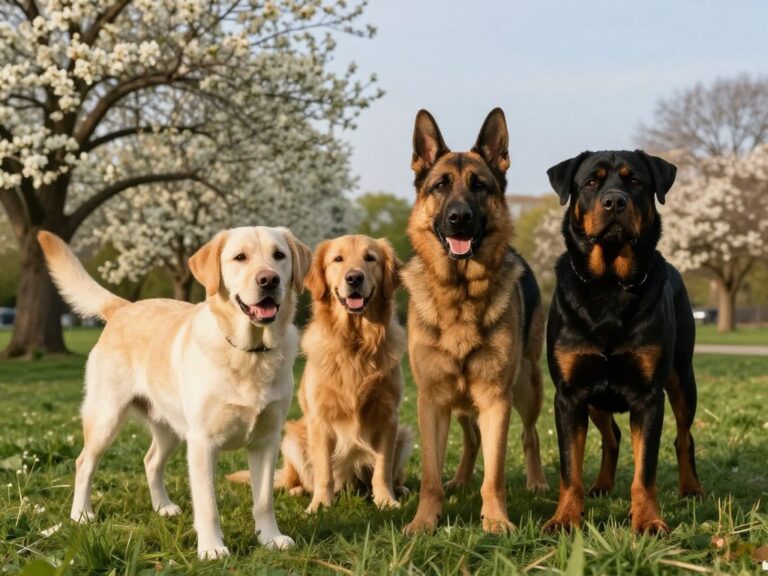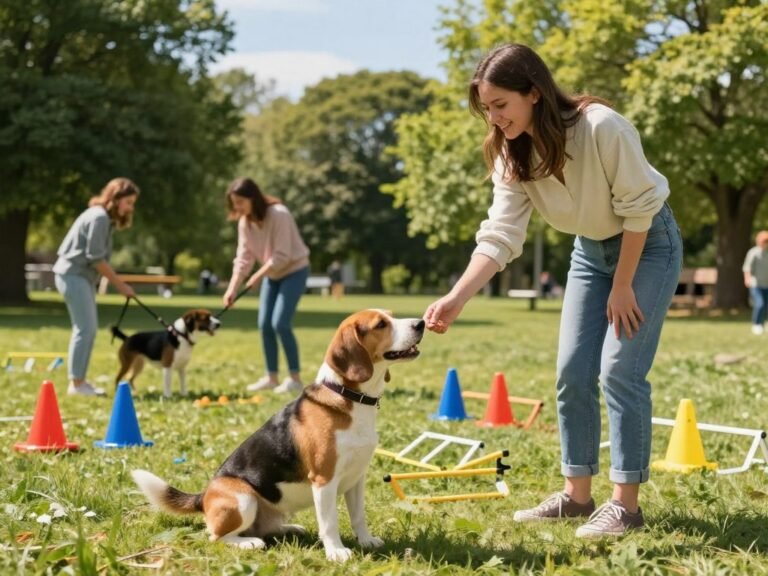
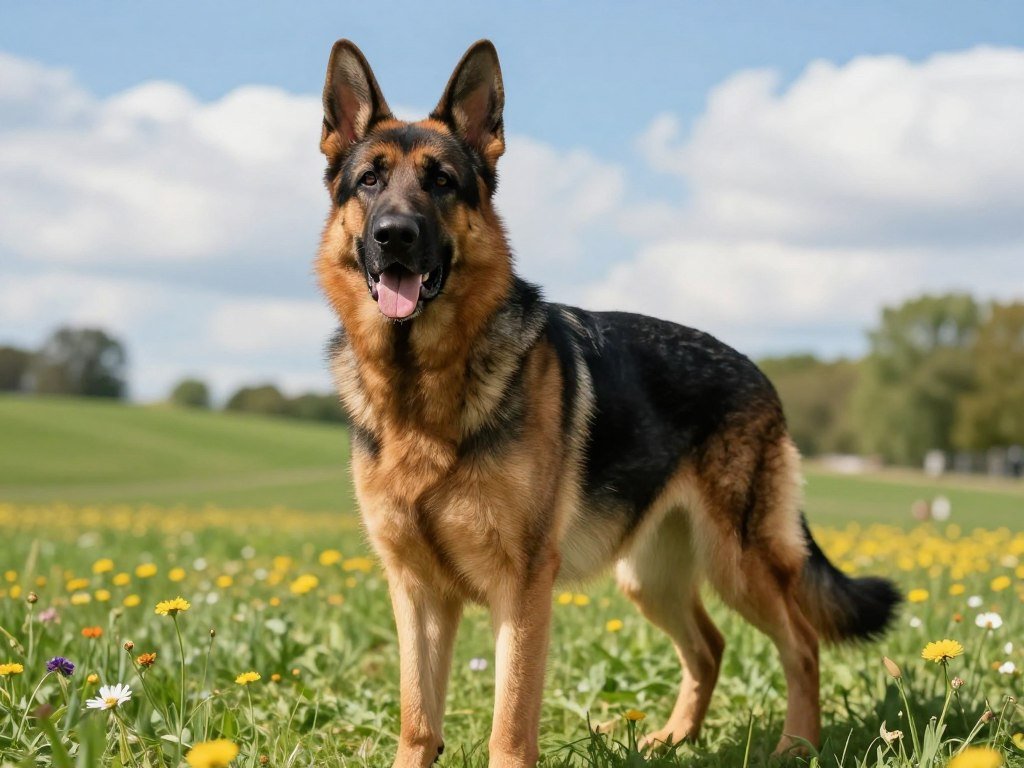
Did you know that this iconic breed is often ranked among the top three most intelligent dogs in the world? Their ability to learn complex tasks quickly has made them legendary partners for police and search-and-rescue teams across the globe. Beyond their professional reputation, the German Shepherd is a deeply devoted family member that thrives on human connection.
Bringing one of these noble animals into your home is a rewarding journey that requires dedication and patience. To ensure your loyal companion lives a long, vibrant life, you must prioritize consistent training and proactive health management. This guide provides the essential tools you need to navigate every stage of ownership with confidence.
By focusing on proper nutrition, mental stimulation, and regular veterinary checkups, you can foster a lasting bond. Whether you are a first-time owner or a seasoned enthusiast, understanding the unique needs of your German Shepherd is the first step toward a happy, healthy partnership.
Key Takeaways
- Prioritize early socialization to build a confident and well-adjusted dog.
- Implement consistent, positive reinforcement training to challenge their high intelligence.
- Schedule regular health screenings to monitor for breed-specific genetic conditions.
- Provide daily physical exercise to prevent boredom and destructive behaviors.
- Focus on high-quality nutrition to support joint health and overall vitality.
Understanding the German Shepherd Breed Heritage
To truly appreciate your companion, you must first look back at the origins of this iconic dog breed. The history of the German Shepherd is rooted in a desire for a canine that could balance raw power with sharp mental acuity. By learning about their past, you gain a deeper understanding of the instincts that drive your pet today.
Origins as a Versatile Working Dog
Originally developed in Germany, this versatile animal was bred primarily for herding sheep. Their ability to control livestock with precision quickly caught the attention of those needing a reliable partner for demanding tasks. Over time, their role expanded far beyond the farm.
Because they are so intelligent and capable, they became the gold standard for police and military service. Their history as a working dog proves that they thrive when given a clear job to perform. This legacy of service remains a core part of their identity in modern times.
Defining Characteristics of the Large Breed
The German Shepherd is a large breed known for its athletic and muscular frame. This physical structure allows them to handle high-intensity activities with ease and grace. Their stamina is truly impressive, often requiring consistent outlets for their boundless energy.
Beyond their physical strength, they possess a keen sense of awareness. They are intelligent observers who process their surroundings with remarkable speed. This combination of physical power and mental sharpness makes them stand out among other canine companions.
Temperament and Suitability as a Family Pet
While they are famous for their work, they are also a deeply loyal and affectionate family pet. They form strong bonds with their human pack and often act as a dedicated guardian of the home. Their protective nature is a natural extension of their devotion to those they love.
Success as a pet owner depends on providing the right environment and early socialization. When raised with care, they are incredibly gentle and patient with their family members. A well-adjusted German Shepherd is a protective yet calm presence that brings immense joy to any household.
Preparing Your Home for a German Shepherd
Preparing your living space for a new german shepherd is the first step toward a harmonious life together. This intelligent dog breed thrives when they have a structured environment that caters to their physical and mental needs.
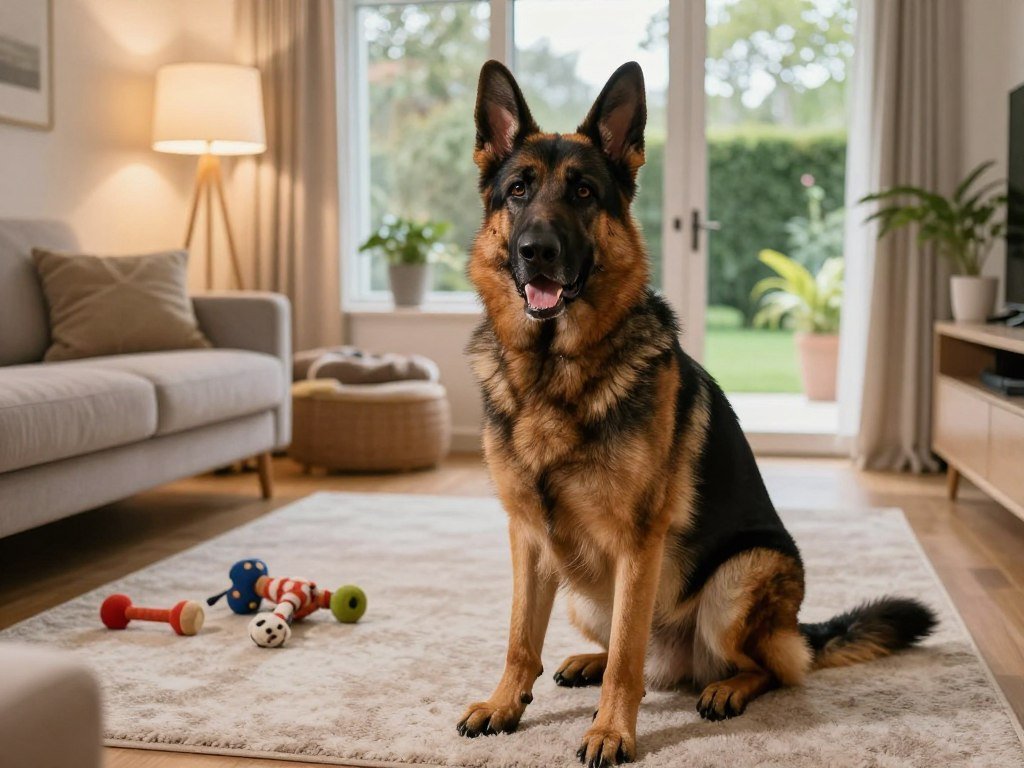
Space Requirements for Active Canines
Because these dogs are highly energetic, they require ample room to move around comfortably. A large breed like this benefits immensely from having access to a secure, fenced-in yard where they can burn off steam safely.
If you live in a smaller space, you must commit to frequent outdoor excursions to keep your canine companion satisfied. Providing enough space prevents boredom and helps maintain their physical health.
Essential Supplies for Large Breed Comfort
Investing in high-quality gear is essential for the longevity of your supplies. A loyal companion needs a heavy-duty bed that supports their joints and provides a cozy retreat after a long day of activity.
“The greatness of a nation and its moral progress can be judged by the way its animals are treated.”
Consider the following items to ensure your home is ready for your new friend:
- Durable, chew-resistant toys to keep them mentally engaged.
- Elevated food and water bowls to promote better posture.
- A sturdy crate that serves as a safe, personal den.
Creating a Safe Environment for Your Loyal Companion
Safety is a top priority when bringing a large breed into your home. You should conduct a thorough sweep of your living area to remove potential hazards, such as toxic plants, loose electrical cords, or small objects that could be swallowed.
It is also important to remember that this dog breed is highly social and thrives on human interaction. Avoid leaving your german shepherd alone for extended periods, as they are happiest when they are part of the family action. By creating a secure and welcoming space, you build a foundation of trust with your loyal partner.
Nutritional Requirements for Optimal Health
A balanced diet serves as the cornerstone for the long-term health of your canine companion. Providing high-quality fuel ensures that your german shepherd receives the essential nutrients required for muscle development and sustained energy levels.
Every large breed dog has specific metabolic needs that change as they grow from a playful puppy into a dignified senior. Selecting the right food is a proactive step in preventing common health issues and promoting overall longevity.
Choosing High-Quality Protein Sources
Protein acts as the primary building block for your dog’s body. You should prioritize formulas that list real meat, such as chicken, beef, or lamb, as the first ingredient.
It is important to select products that are AAFCO-compliant to ensure they meet the nutritional standards for a dog breed of this size. High-quality protein supports lean muscle mass and helps maintain a healthy immune system throughout the life of your canine.
Managing Caloric Intake to Prevent Obesity
Maintaining a healthy weight is critical for any large breed. Excess weight places significant stress on the skeletal system, which can lead to long-term discomfort and mobility issues.
Monitor your pet’s body condition score regularly and adjust portion sizes based on their activity level. Avoid overfeeding by measuring meals accurately rather than relying on free-feeding methods.
The Importance of Joint-Supporting Supplements
As your german shepherd matures, their joints may require extra support to stay flexible and pain-free. Many owners find that adding supplements like glucosamine and chondroitin provides significant relief for active dogs.
Consulting with your veterinarian can help you determine the right dosage for your specific canine. These additions are often beneficial for a dog breed known for its high activity levels and working history.
| Life Stage | Primary Focus | Nutrient Priority |
|---|---|---|
| Puppy | Growth Support | Controlled Calcium |
| Adult | Maintenance | Lean Protein |
| Senior | Joint Health | Omega Fatty Acids |
Essential Training Techniques for an Intelligent Breed
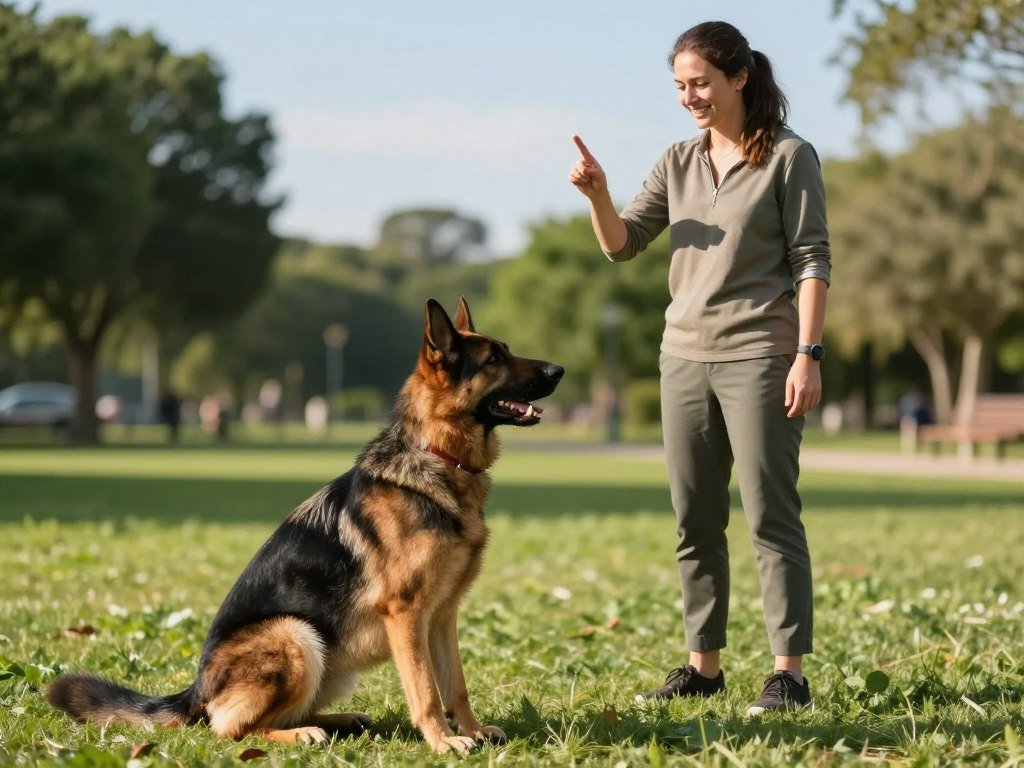
Because the German Shepherd is such an intelligent dog breed, your training approach must be both structured and engaging. These dogs thrive when they have a clear job to do and a leader to follow. By focusing on modern, reward-based methods, you can effectively channel their natural energy into positive outcomes.
Positive Reinforcement Methods
The most effective way to teach a canine is through positive reinforcement. This technique involves rewarding desired behaviors with treats, praise, or play, which encourages the dog to repeat those actions. Consistency is the secret ingredient that makes these lessons stick.
Avoid harsh punishment, as it can damage the trust between you and your pet. Instead, focus on capturing the good moments and rewarding them immediately. This approach builds a strong bond and keeps your dog motivated to learn new commands.
Establishing Consistent Leadership and Boundaries
A working dog requires clear rules to feel secure and happy in a home environment. You must establish yourself as a calm, confident leader from the very first day. When boundaries are set early, your dog understands exactly what is expected of them.
Consistency is vital when enforcing these rules. If you allow a behavior one day but forbid it the next, your dog will become confused and frustrated. Clear communication prevents behavioral issues before they even start.
Socialization Strategies for a Well-Adjusted Dog
Early socialization is a critical step in raising a well-adjusted German Shepherd. You should expose your puppy to a variety of environments, sounds, and people to build their confidence. This process helps them remain calm in new situations throughout their adult life.
Try to introduce your dog to different surfaces, such as grass, gravel, and wood floors. Meeting other friendly dogs and humans in controlled settings is also essential for their development. A well-socialized dog breed is much more likely to be a polite and relaxed companion in public spaces.
| Training Method | Primary Benefit | Best For |
|---|---|---|
| Positive Reinforcement | Builds trust and motivation | Learning new commands |
| Consistent Leadership | Reduces anxiety and confusion | Establishing house rules |
| Early Socialization | Improves confidence | Public interactions |
Advanced Obedience and Mental Stimulation
The German Shepherd is a highly intelligent dog breed that thrives when given complex tasks to solve. While basic commands are essential, this breed requires consistent mental challenges to remain balanced and happy. Providing outlets for their sharp minds is the best way to prevent boredom and unwanted behaviors.
Engaging Your Dog with Puzzle Toys
Puzzle toys are an excellent tool for providing the mental fatigue your canine needs. These interactive devices force your pet to think critically to earn a reward, which mimics the problem-solving nature of a true working dog.
- Use treat-dispensing balls to keep them occupied during quiet hours.
- Incorporate scent-based puzzles to tap into their natural tracking instincts.
- Rotate toys frequently to maintain high levels of interest and engagement.
The Value of Advanced Command Training
Moving beyond simple sit or stay commands helps solidify your role as a leader. Advanced training sessions reinforce discipline while significantly strengthening the bond between you and your pet. When a German Shepherd masters complex sequences, they gain a sense of accomplishment that keeps them focused.
Consider teaching your dog specialized tasks such as distance control or directional cues. These exercises require intense concentration, which effectively tires out an active mind. Consistency is the key to success when introducing these higher-level challenges.
Channeling Protective Instincts Through Purposeful Work
Because the German Shepherd is a natural guardian, it is vital to provide constructive outlets for their protective drive. Engaging in activities like agility courses or scent work allows them to use their energy in a positive, controlled environment.
These activities transform their natural alertness into a productive hobby. By giving your dog a “job” to do, you ensure they feel useful and satisfied. This approach helps channel their intensity into activities that build confidence and reduce unnecessary anxiety.
Common Health Concerns and Preventive Care
Large breed dogs like the German Shepherd often face specific health challenges that require early attention. By staying informed and proactive, you can help your loyal companion enjoy a vibrant and active life. Consistent care is the best way to ensure your pet stays in peak condition for years to come.
Managing Hip and Elbow Dysplasia Risks
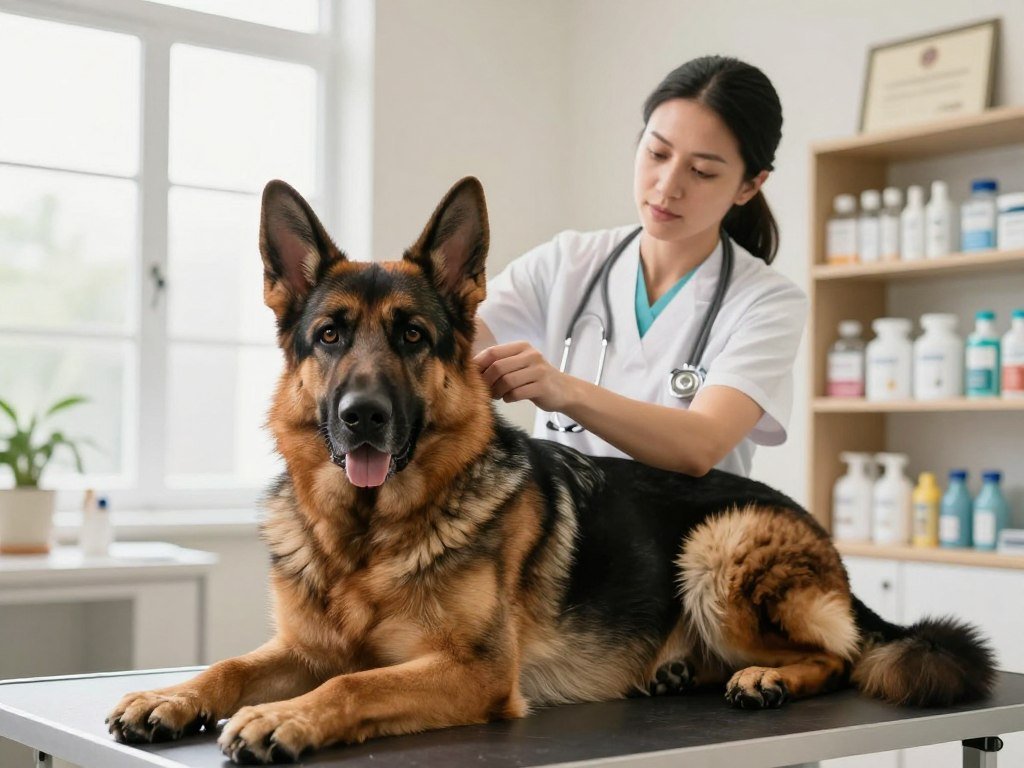
Joint health is a significant concern for this active dog breed. Hip and elbow dysplasia are common inherited conditions that can cause discomfort and mobility issues as your pet ages.
You can manage these risks by maintaining a healthy weight to reduce stress on the joints. Early screening through your veterinarian is also highly recommended to identify potential issues before they become painful.
Recognizing Symptoms of Bloat in Large Breeds
Gastric Dilatation-Volvulus, commonly known as bloat, is a life-threatening emergency that affects many deep-chested animals. As a German shepherd owner, you must learn to spot the warning signs immediately.
Watch for symptoms such as a distended abdomen, unproductive retching, or extreme restlessness. If you notice these signs, seek emergency veterinary care right away, as every minute counts for your canine.
Routine Veterinary Checkups and Vaccinations
Regular visits to the vet are the cornerstone of preventive medicine. These checkups allow your doctor to monitor your German shepherd for early signs of illness or chronic conditions.
Staying current on vaccinations protects your canine from preventable diseases that could otherwise compromise their immune system. A consistent schedule of wellness exams ensures that your large breed friend receives the best possible care throughout every stage of life.
Grooming and Coat Maintenance
A consistent grooming routine keeps your canine looking sharp and feeling comfortable. Because this dog breed possesses a thick double coat, regular attention is necessary to prevent matting and manage loose fur. Establishing a rhythm early on makes the process enjoyable for both you and your pet.
Managing the Double Coat Shedding Cycle
The German shepherd is famous for its dense undercoat, which sheds significantly during seasonal transitions. You will notice a dramatic increase in loose hair during spring and fall as the coat adjusts to changing temperatures. Consistency is your best defense against hair buildup in your home.
“Regular grooming is not just about aesthetics; it is a vital health practice that allows you to monitor your dog’s skin condition and overall well-being.”
Proper Brushing Techniques for Skin Health
To maintain healthy skin, you should brush your dog at least three times a week. Using the right tools, such as an undercoat rake or a slicker brush, helps remove dead hair before it becomes trapped. This practice also stimulates natural oil production, which keeps the coat shiny and resilient.
- Use a metal comb to reach the dense undercoat.
- Brush in the direction of hair growth to avoid discomfort.
- Check for any signs of irritation or hot spots during each session.
Nail Trimming and Dental Hygiene Practices
Beyond the coat, your German shepherd requires attention to its paws and mouth. Keeping nails at a proper length prevents joint strain and discomfort during movement. Similarly, dental care is essential to prevent plaque buildup and long-term health issues.
| Task | Frequency | Benefit |
|---|---|---|
| Nail Trimming | Every 3-4 weeks | Prevents painful overgrowth |
| Tooth Brushing | 2-3 times weekly | Reduces tartar and bad breath |
| Ear Cleaning | Monthly | Prevents wax buildup |
By integrating these habits into your weekly schedule, you ensure your canine remains healthy and happy. A well-groomed dog breed is a clear sign of a dedicated and loving owner.
Exercise Needs for the High-Energy Canine
Managing the energy levels of this large breed requires a thoughtful approach to daily movement. Because these dogs were originally bred for endurance and work, they possess a natural drive that must be channeled appropriately. Without a consistent outlet, even the most well-behaved german shepherd may develop destructive habits or anxiety.
Balancing Physical Activity and Mental Fatigue
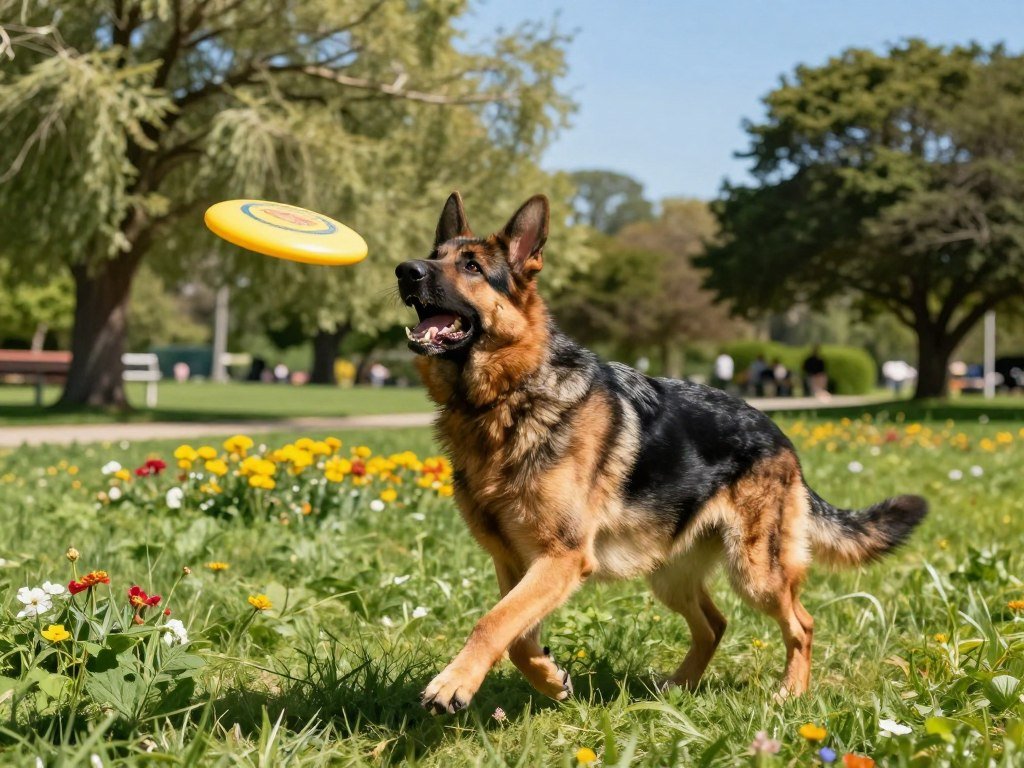
A healthy routine for your canine should include at least one to two hours of dedicated activity every day. It is important to remember that physical exercise alone is often not enough to tire out such an intelligent dog breed. You should combine movement with mental challenges to ensure your companion feels truly satisfied.
Consider incorporating these activities into your daily schedule:
- Obedience drills during walks to engage the brain.
- Scent work games that utilize their natural tracking instincts.
- Interactive puzzle toys that reward problem-solving skills.
Safe Outdoor Activities for German Shepherds
The german shepherd is an excellent partner for outdoor adventures due to their athleticism and loyalty. Engaging in varied terrain helps keep their muscles toned and their minds sharp. Always ensure you have fresh water available and monitor the weather conditions to prevent overheating.
Popular activities for this large breed include:
- Hiking on established trails to explore new environments.
- Playing a game of fetch in a secure, fenced area.
- Swimming, which provides a low-impact workout for the joints.
Avoiding Over-Exertion in Growing Puppies
While it is tempting to keep your puppy active, you must be careful not to push them too hard. Their skeletal system is still developing, and excessive high-impact exercise can lead to long-term joint issues. Protecting their growth plates is essential for a healthy adult life.
Focus on short, frequent play sessions rather than long, strenuous runs. Avoid forced jogging or jumping on hard surfaces until your veterinarian confirms that your canine has reached physical maturity. By pacing their development, you ensure your dog breed remains strong and agile for years to come.
Understanding the Protective Nature of the German Shepherd
Understanding the protective nature of your canine is essential for a harmonious household. This loyal companion possesses an innate drive to watch over its family, which is a defining trait of the breed. By learning how to manage these instincts, you ensure your pet remains a balanced and safe member of your home.
Differentiating Between Alertness and Aggression
It is vital to distinguish between healthy alertness and unwanted aggression. A naturally protective dog will often bark to signal the arrival of a stranger, which is a standard behavior for this dog breed. However, true aggression involves lunging, snapping, or an inability to settle once the perceived threat has passed.
You should encourage your canine to remain calm when guests arrive. If your pet shows signs of fear-based reactivity, it is time to intervene. Consistent training helps your dog understand that you are the leader, which removes the pressure from them to make defensive decisions.
Training for Controlled Protection
Channeling the instincts of a working dog requires structured guidance. You can teach your pet to respond to specific commands, which allows them to switch from “on-duty” to “off-duty” modes. This level of control is necessary for any German Shepherd living in a modern environment.
Focus on obedience drills that reward focus and self-control. When your dog learns to look to you for cues, they become much more reliable in public spaces. Controlled protection is not about encouraging hostility; it is about teaching your pet to remain observant without overreacting to everyday stimuli.
Building Confidence to Reduce Unnecessary Anxiety
Many behavioral issues stem from a lack of confidence rather than a desire to be aggressive. A loyal and secure German Shepherd is far less likely to act out in new situations. You can build this confidence through positive exposure to new environments, sounds, and people.
Patience is your greatest tool when helping your canine navigate the world. By providing consistent leadership, you reduce the anxiety that often leads to defensive posturing. A confident dog breed is a happy one, capable of enjoying life while still maintaining its natural protective spirit.
Navigating Behavioral Challenges
Navigating the complexities of canine behavior is a natural part of life with a highly intelligent dog breed. Even when you have invested significant time in training, your loyal companion may occasionally encounter hurdles that disrupt your daily routine. Addressing these issues early is the most effective way to maintain a harmonious and happy household.
Addressing Separation Anxiety in Loyal Breeds
Many owners find that their German shepherd struggles when left alone for extended periods. This protective nature often translates into distress when the pack is separated. You can help your dog feel more secure by gradually increasing the time they spend in a separate room or crate.
Start with very short intervals and provide a safe, comfortable space filled with familiar scents. Consistency is vital when teaching your pet that you will always return. Over time, this practice builds the confidence needed to remain calm while you are away.
Correcting Excessive Barking and Vocalization
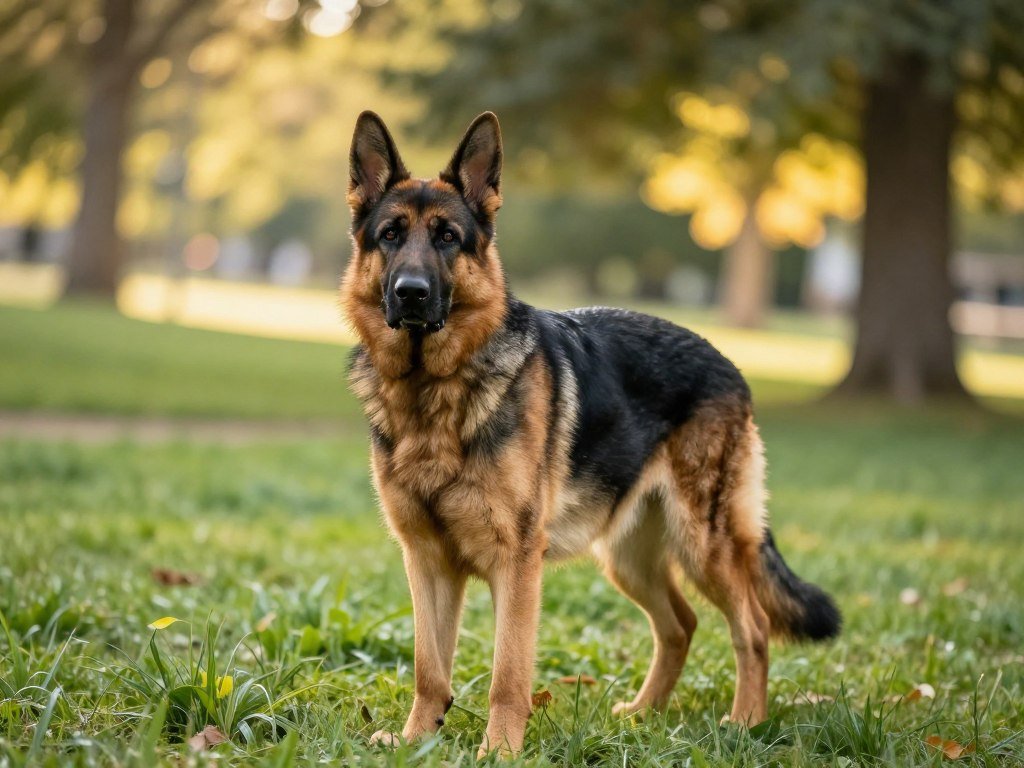
While vocalization is a normal way for a canine to communicate, excessive barking can become a significant frustration. It is important to identify the trigger, whether it is boredom, excitement, or a reaction to external stimuli. Patience is your greatest tool when working to curb this habit.
If the behavior persists despite your best efforts, do not hesitate to seek the guidance of a professional behaviorist. They can offer tailored strategies that respect the unique personality of your German shepherd. Remember that correcting this behavior is not about silencing your dog, but rather teaching them when it is appropriate to speak.
Managing Prey Drive and Impulse Control
The strong instincts of this dog breed often include a high prey drive, which can lead to chasing smaller animals or moving objects. Developing solid impulse control is essential for the safety of your canine and the well-being of other pets in your neighborhood. Structured training exercises that reward self-control will help your dog learn to ignore distractions.
Engage in activities that require your pet to wait for a command before moving toward a reward. This reinforces your role as a leader and keeps your protective friend focused on you rather than their surroundings. By prioritizing these lessons, you ensure that your companion remains respectful and safe in any environment.
Life Stages of Your German Shepherd
Caring for an intelligent family pet means adapting your routine as they grow and mature. Each phase of your dog’s life brings unique joys and specific responsibilities that help maintain their overall well-being.
Puppy Development and Early Socialization
The first few months are a critical window for your german shepherd. During this time, your puppy is like a sponge, absorbing every experience and interaction they encounter.
Early socialization is the foundation for a well-adjusted canine. You should introduce your puppy to various sounds, surfaces, and friendly people to build their confidence. This proactive approach prevents fear-based behaviors later in life.
The Adolescent Phase and Training Reinforcement
As your dog breed enters adolescence, you may notice them testing boundaries more frequently. This stage requires patience and a firm, consistent hand to ensure they remain a well-behaved member of the household.
Reinforcing basic commands is vital during these months of increased energy. Consistent leadership helps your pet understand their role within the family structure. Do not let training slide, as this is when they are most likely to challenge established rules.
Caring for the Senior German Shepherd
When your loyal companion reaches their senior years, their needs shift toward comfort and health management. You must prioritize regular veterinary checkups to monitor for age-related conditions like arthritis or decreased mobility.
Providing a soft, orthopedic bed and keeping their environment hazard-free will significantly improve their quality of life. An intelligent senior german shepherd still enjoys mental stimulation, though it should be adjusted to their physical capabilities.
| Life Stage | Primary Focus | Key Activity |
|---|---|---|
| Puppy | Socialization | Positive exposure |
| Adolescent | Boundary Setting | Obedience drills |
| Senior | Comfort & Health | Gentle movement |
Building a Lifelong Bond
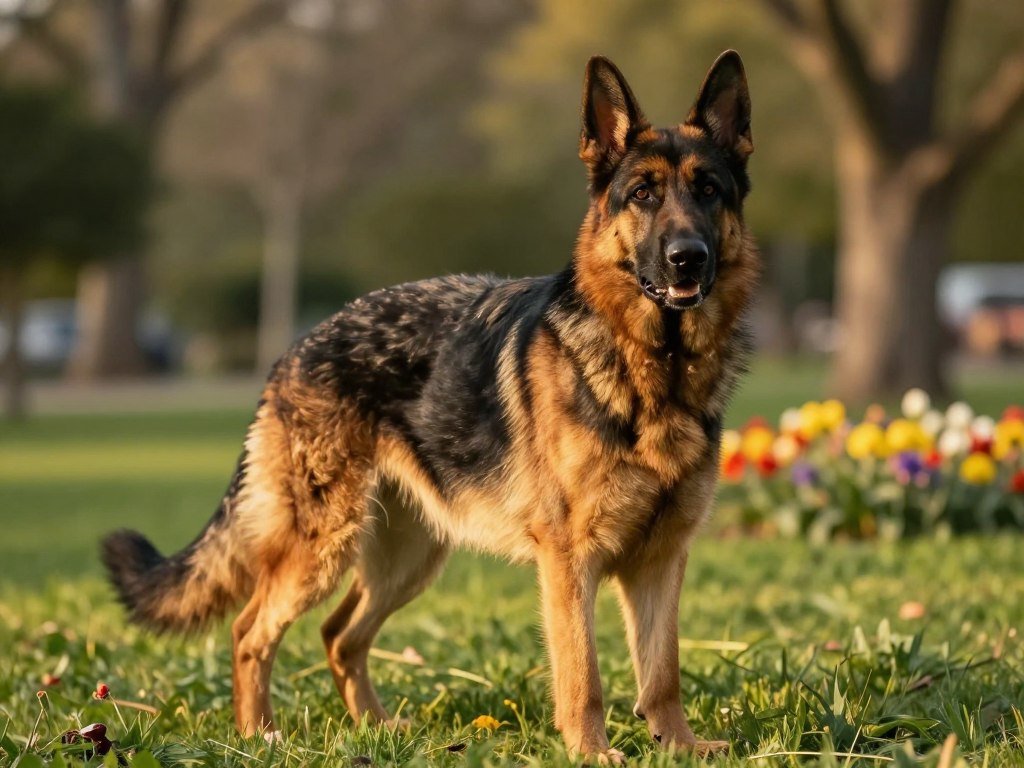
Building a lifelong bond with your canine companion requires patience, empathy, and consistent effort. This loyal partner thrives when you prioritize your relationship above simple obedience tasks. By investing time in your connection, you ensure your dog remains a happy, integral member of your household.
The Importance of Daily Quality Time
Quality time is the foundation of a healthy relationship with your german shepherd. It is not just about the duration of time spent together, but the intentionality of your interactions. Engaging in shared activities like hiking, playing fetch, or simply relaxing together helps solidify your status as a trusted leader.
When you dedicate time to your canine, you provide the mental stimulation they crave. This consistent engagement prevents boredom and strengthens the emotional ties that define this intelligent dog breed. Remember that your presence is the greatest reward you can offer your pet.
Communication Through Body Language
Learning to interpret the subtle signals of your family pet allows for a deeper level of mutual understanding. Because dogs cannot speak, they rely on posture and movement to express their feelings. Observing these cues helps you respond appropriately to their needs:
- Relaxed ears and soft eyes: Indicate a calm and content state.
- Low, wagging tail: Often signals friendliness and a desire to interact.
- Stiff posture or pinned ears: May suggest anxiety or a need for space.
- Play bow: A clear invitation for fun and social bonding.
By mastering these non-verbal cues, you become a more effective communicator. This empathetic approach reduces frustration for both you and your canine, fostering a sense of security.
Creating Trust Through Consistent Care
Trust is earned through the reliability of your daily actions. When you provide consistent care, you show your german shepherd that they can depend on you in any situation. This predictability is essential for a loyal companion who looks to you for guidance.
Maintain a steady routine for feeding, exercise, and training to build a stable environment. Positive reinforcement during these moments reinforces the bond you share as a family pet and owner. Ultimately, your commitment to their well-being transforms a standard dog breed relationship into a lifelong partnership built on mutual respect and love.
Conclusion
Welcoming a German shepherd into your home marks the start of a unique journey. This intelligent dog breed offers a level of devotion that transforms your daily life. You gain a partner who stands by your side through every season.
Success with this canine requires a focus on long-term wellness and mental engagement. You build a strong foundation by staying active and attentive to their specific needs. Your commitment creates a bond that grows deeper with each passing year.
Patience remains your most valuable tool when navigating the challenges of pet ownership. Every training session and quiet moment spent together reinforces the trust you share. You provide the structure and love necessary for your pet to reach their full potential.
Enjoy the rewarding experience of raising such a capable and loyal companion. Your dedication ensures a happy future for your furry friend. Reach out to local breed clubs or professional trainers if you need extra support on this path.
Is a German Shepherd a good family pet for first-time owners?
How much exercise does this canine need daily?
Do German Shepherds shed a lot?
Are they naturally protective of their owners?
What are the most common health issues for this large breed?
How smart is a German Shepherd compared to other dogs?
Can a German Shepherd live in an apartment?