
Did you know that this specific breed consistently ranks among the top three most popular dogs in the United States due to its unmatched emotional intelligence? Bringing a Golden Retriever into your home is a life-changing experience that promises years of loyalty and joy.
As a naturally friendly pet, this dog thrives on human interaction and positive reinforcement. Whether you are a first-time owner or a seasoned pro, understanding their unique needs is essential for a harmonious household.
Proper care involves more than just affection; it requires a balanced approach to nutrition, consistent exercise, and regular grooming. By providing loving guidance, you ensure your companion remains healthy and happy throughout its life. This guide serves as your comprehensive resource for mastering the art of raising a well-adjusted Golden Retriever.
Key Takeaways
- Prioritize consistent, positive reinforcement training methods.
- Maintain a balanced diet to support long-term health.
- Ensure daily physical exercise to manage energy levels.
- Establish a regular grooming routine to keep coats healthy.
- Focus on early socialization to build confidence in new environments.
Understanding the Golden Retriever Breed
Exploring the roots of the retriever breed reveals why they remain one of the top dog breeds today. These dogs are not just beautiful; they possess a unique blend of intelligence and kindness that captures hearts across the United States.
History and Origins of the Retriever Breed
The story of the Golden Retriever began in the Scottish Highlands during the mid-19th century. Lord Tweedmouth sought to develop a dog that could retrieve game over both land and water in the rugged terrain.
By crossing a Yellow Retriever with the now-extinct Tweed Water Spaniel, he created a versatile hunting companion. These early dogs were prized for their soft mouths and their ability to navigate difficult environments with ease.
Typical Golden Retriever Characteristics and Temperament
Beyond their hunting past, these dogs are famous for their gentle and patient temperament. They are highly intelligent, which makes them eager to please and relatively easy to train for various tasks.
Their friendly nature extends to strangers and other animals, making them poor guard dogs but excellent companions. They thrive on human interaction and often suffer if left alone for long periods.
“The better I get to know men, the more I find myself loving dogs.”
Why They Are Considered the Ultimate Family Dog
Families often choose this breed because of their remarkable adaptability. Whether living in a spacious suburban home or a smaller city apartment, they adjust well as long as their exercise needs are met.
Their playful spirit makes them perfect partners for children, while their calm demeanor is appreciated by adults. Below is a summary of the traits that define this beloved companion.
| Trait | Description | Level |
|---|---|---|
| Friendliness | Social with everyone | Very High |
| Trainability | Eager to learn | High |
| Energy Level | Needs daily activity | High |
| Affection | Deeply loyal | Very High |
Understanding these core traits helps you build a stronger bond with your pet. By respecting their natural instincts, you ensure a happy and healthy life for your Golden Retriever.
Preparing Your Home for a New Golden Retriever
Transforming your home into a dog-friendly sanctuary ensures your new arrival feels right at home from the very first day. As one of the top dog breeds in the United States, these dogs thrive when they have a structured and welcoming environment. Taking the time to organize your space will significantly reduce stress for both you and your pet.

Essential Supplies for Your New Companion
Before bringing your Golden Retriever home, you should gather all the necessary gear to meet their basic needs. Having these items ready allows you to focus entirely on bonding with your new friend.
- High-quality food and water bowls, preferably stainless steel for durability.
- A comfortable, appropriately sized dog bed to provide a cozy resting spot.
- Durable chew toys to keep your pet occupied and support dental health.
- A sturdy leash and collar with identification tags.
- Grooming tools, such as a slicker brush, to maintain their beautiful coat.
Creating a Safe and Comfortable Living Space
Every retriever breed needs a dedicated area where they can retreat when they feel tired or overwhelmed. Setting up a crate or a specific corner with a soft blanket helps your dog understand their boundaries. This consistency is vital for house training and emotional security.
Ensure this space is located in a quiet part of the house, away from high-traffic areas. By providing a consistent sanctuary, you help your dog feel confident as they adjust to their new surroundings.
Puppy Proofing Your Home Environment
Puppy proofing is a critical step for anyone welcoming one of the top dog breeds into their family. You must look at your home from a dog’s perspective to identify potential hazards that could cause harm.
Start by securing electrical cords and removing toxic houseplants that might tempt a curious Golden Retriever. It is also wise to store cleaning supplies and small objects in cabinets that are out of reach. Taking these simple precautions creates a safe environment where your retriever breed can explore and play without unnecessary risks.
Golden Retriever Nutrition and Dietary Needs
Nutrition serves as the cornerstone for the health and vitality of your beloved companion. Providing high-quality fuel ensures that your pet maintains a shiny coat, strong muscles, and a sharp mind throughout their life.
Choosing the Right Food for Different Life Stages
Every Golden Retriever requires specific nutrients depending on their age. Puppies need calorie-dense formulas to support rapid growth, while adults require a balanced intake to maintain their weight.
As your dog enters their senior years, their metabolism slows down significantly. You should transition them to a diet lower in calories but higher in joint-supporting supplements like glucosamine and chondroitin. This adjustment helps keep one of the most popular top dog breeds moving comfortably as they age.
Managing Portion Control to Prevent Obesity
Obesity is a common health concern for this retriever breed, often leading to joint issues and heart strain. It is vital to follow the feeding guidelines on your chosen food packaging while adjusting for your dog’s specific activity level.
“The greatest gift you can give your dog is a healthy weight, as it directly correlates to their longevity and quality of life.”
Always use a measuring cup rather than guessing the amount. If your dog seems hungry, consider increasing their exercise rather than their food intake to maintain a healthy body condition.
Healthy Treats and Foods to Avoid
Treats should never make up more than ten percent of your dog’s daily caloric intake. Opt for healthy, low-calorie snacks like fresh carrots, green beans, or apple slices without seeds.
Be vigilant about keeping harmful items away from your pet. You must strictly avoid the following foods:
- Chocolate and Caffeine: These contain stimulants that are toxic to dogs.
- Grapes and Raisins: Even small amounts can cause sudden kidney failure.
- Onions and Garlic: These can damage red blood cells and cause anemia.
- Xylitol: This artificial sweetener is found in many sugar-free products and is extremely dangerous.
By staying informed about what your Golden Retriever consumes, you ensure they remain a happy and healthy member of your family for many years.
Establishing a Consistent Training Routine
Establishing a consistent training routine is the cornerstone of a happy life with your Golden Retriever. This intelligent dog breed thrives when they know exactly what is expected of them throughout the day. By creating a predictable environment, you help your pet feel secure and confident.
The Importance of Positive Reinforcement
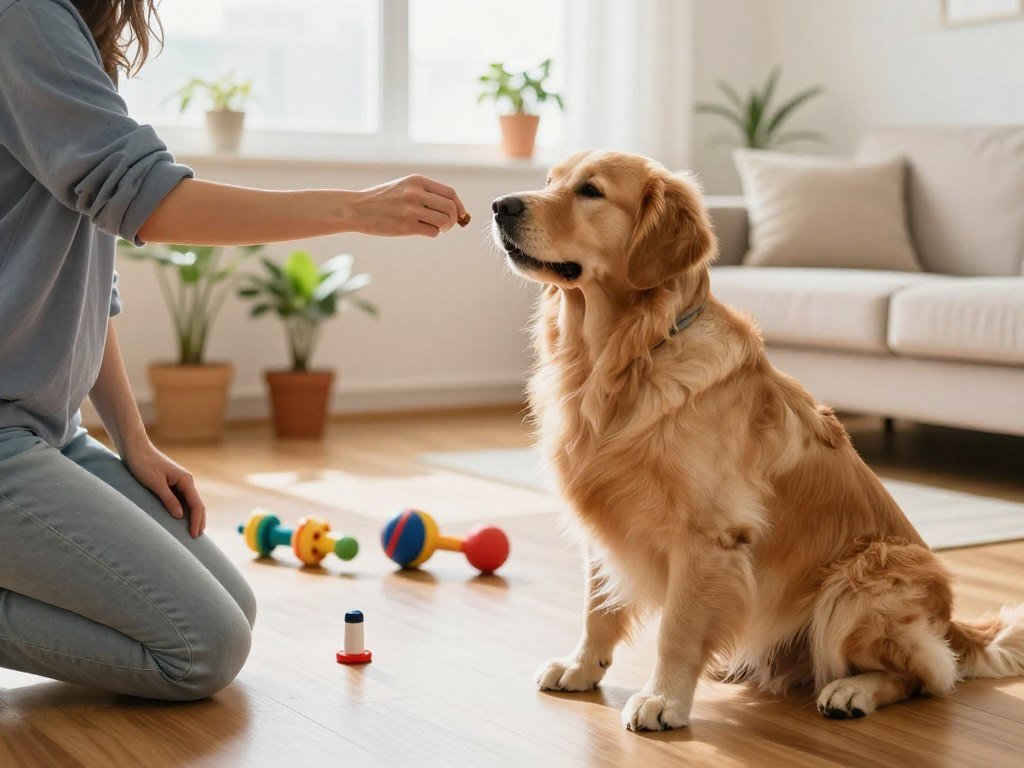
Positive reinforcement is widely considered the most effective and kindest way to teach your pet. Instead of focusing on punishment, you reward the behaviors you want to see repeated. This method builds a strong bond of trust between you and your companion.
“The best way to train a dog is to reward the good and ignore the bad, creating a partnership built on mutual respect.”
When you use treats, praise, or play to mark a correct action, your dog learns quickly. This approach is particularly successful for this dog breed because they are eager to please their owners. Consistent rewards ensure that your pet remains motivated during every session.
Setting Realistic Expectations for Your Dog
It is vital to remember that every Golden Retriever develops at their own pace. You should adjust your goals based on your dog’s age, attention span, and current skill level. Expecting too much too soon can lead to frustration for both you and your pet.
Use the following table to understand how to tailor your training sessions effectively:
| Life Stage | Focus Area | Session Length |
|---|---|---|
| Puppy | Socialization & Basics | 5-10 Minutes |
| Adolescent | Impulse Control | 10-15 Minutes |
| Adult | Advanced Commands | 15-20 Minutes |
Creating a Daily Training Schedule
Integrating short, frequent training sessions into your daily routine provides the mental stimulation your pet craves. Consistency is the secret to long-term success when managing your Golden Retriever. Even ten minutes of practice each morning and evening can yield significant improvements in behavior.
Always keep your training sessions fun and engaging to maintain your dog’s interest. By following this structured approach, you ensure that you are providing the best golden retriever information to help your pet grow into a well-mannered family member. Remember that patience is your greatest tool in this rewarding journey.
Mastering Basic Obedience Commands
Building a strong foundation of obedience is the most rewarding part of owning a Golden Retriever. When you invest time in teaching your pet, you create a language of trust that lasts a lifetime. This essential golden retriever information helps you navigate the early stages of training with confidence and ease.
Teaching Sit, Stay, and Come
Start with the basics by using positive reinforcement, such as small treats or verbal praise. For the “sit” command, hold a treat near your dog’s nose and move your hand upward, allowing their head to follow the treat and causing their bottom to lower naturally. Once they sit, reward them immediately to reinforce the behavior.
The “stay” command requires patience and distance. Begin by asking your dog to sit, then hold your palm out and take one step back. If they remain in place, return and reward them before they have a chance to move.
For the “come” command, always use an enthusiastic tone. Start in a quiet area with no distractions to ensure your dog breed stays focused on your voice. Never punish your dog when they come to you, as this will discourage them from returning in the future.
Leash Training for Pleasant Walks
Leash training is vital for keeping your pet safe during outdoor adventures. Start by letting your dog get used to the collar and leash inside your home. Once they are comfortable, practice walking in short bursts, rewarding them for staying by your side.
If your dog pulls, simply stop walking and wait for them to return to your side. This teaches them that pulling results in a halt, while a loose leash allows the walk to continue. Consistency is the secret to success with this active dog breed.
Socialization Techniques for a Friendly Pet
Proper socialization is a key factor in raising a confident and friendly companion. Expose your pet to various sights, sounds, and people in a controlled manner. This golden retriever information suggests starting with short trips to quiet parks or inviting friends over to meet your puppy.
Positive experiences during these early stages help prevent fear and anxiety later in life. Always monitor your dog’s body language to ensure they feel comfortable and secure in new environments.
| Command | Primary Benefit | Training Difficulty |
|---|---|---|
| Sit | Impulse Control | Easy |
| Stay | Safety and Focus | Moderate |
| Come | Reliable Recall | Moderate |
| Heel | Leash Manners | Advanced |
Advanced Training and Mental Stimulation
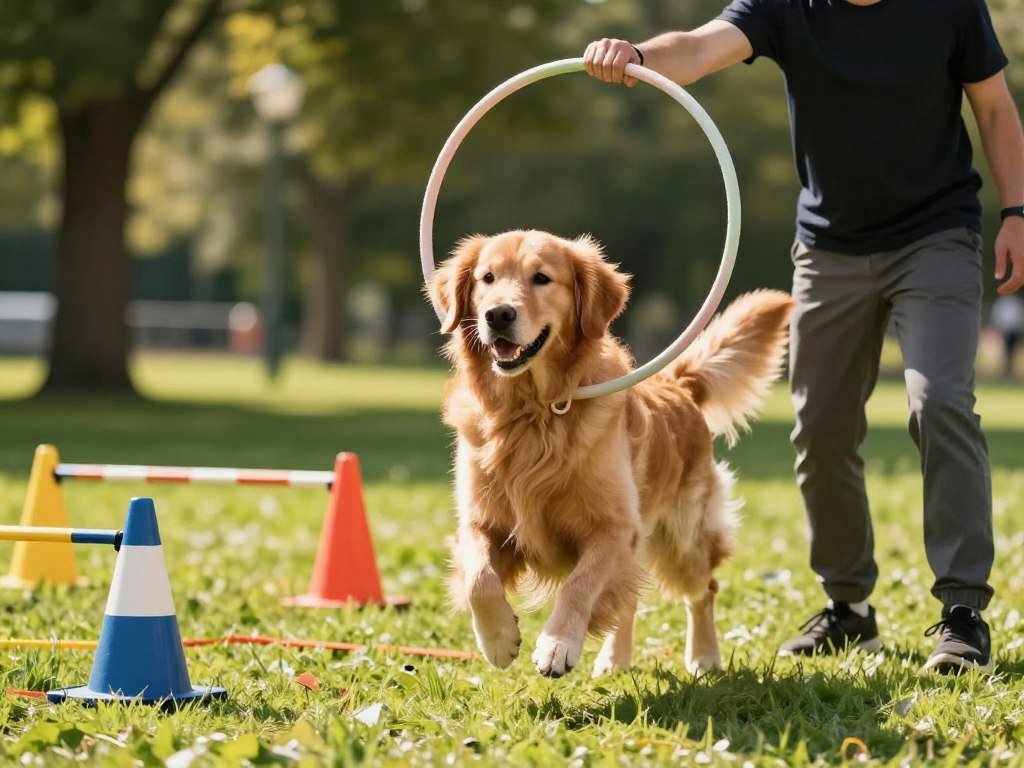
Advanced training is the secret to unlocking the full potential of your intelligent Golden Retriever. While basic obedience provides a foundation, consistent mental challenges are essential for a truly happy pet.
By introducing new concepts, you ensure your companion remains focused and eager to learn. This approach prevents boredom and helps manage energy levels effectively.
Engaging Your Dog with Retrieving Games
This popular dog breed possesses a natural instinct to carry and retrieve items. You can tap into this drive by teaching them to identify specific toys by name.
Start by hiding their favorite ball or plush toy in different areas of the yard. Encourage them to “find it” to build their scent-tracking skills and confidence.
Puzzle Toys and Brain Games for Mental Health
Mental health is just as important as physical fitness for your pet. Puzzle toys are excellent tools that force your dog to think critically to earn a reward.
These interactive games keep them occupied for long periods, which is perfect for rainy days indoors. You can also create DIY games using cardboard boxes or hidden treat stations to challenge their problem-solving abilities.
Advanced Tricks to Keep Them Sharp
Teaching complex tricks is a fun way to strengthen your bond while keeping your dog mentally agile. Commands like “spin,” “roll over,” or “tidy up your toys” provide great cognitive exercise.
Always keep sessions short and positive to maintain their enthusiasm. Providing accurate golden retriever information helps you understand that these dogs thrive when they have a “job” to do.
| Activity Type | Primary Benefit | Difficulty Level |
|---|---|---|
| Scent Games | Mental Focus | Moderate |
| Puzzle Feeders | Problem Solving | Easy |
| Advanced Tricks | Bonding & Agility | High |
Grooming Requirements for Your Golden Retriever
Proper grooming is essential for keeping your Golden Retriever healthy and comfortable year-round. Beyond just maintaining a beautiful appearance, a consistent routine allows you to monitor your pet for skin irritations, lumps, or hidden parasites. This practice serves as a wonderful bonding experience that helps your dog feel secure and loved.
Managing the Double Coat and Shedding
The Golden Retriever is famous for its dense, water-repellent double coat. This breed sheds moderately throughout the year, with heavier shedding occurring during the spring and fall seasons. Keeping up with this cycle is vital to prevent painful matting and to keep your home environment clean.
“Grooming is not just about aesthetics; it is a vital health check that strengthens the bond between you and your loyal companion.”
Regular Brushing Techniques and Tools
To manage that thick fur, you should aim to brush your dog at least two to three times per week. Using an undercoat rake is highly effective for removing loose hair from the dense inner layer. Follow this with a slicker brush to smooth out the topcoat and distribute natural oils across the skin.
As an akc golden retriever owner, you will find that consistency is the key to success. If you start these sessions while your pet is young, they will learn to enjoy the process. Always be gentle around sensitive areas like the ears and tail to ensure a positive experience for your family dog.
Bathing and Nail Trimming Best Practices
Bathing should be done only when necessary, typically every six to eight weeks, to avoid stripping the coat of its natural protective oils. Use a high-quality dog shampoo that is pH-balanced for canine skin. Thoroughly rinsing the coat is crucial to prevent residue that might cause itching or dryness.
Nail trimming is another critical component of your grooming schedule. If you hear clicking sounds on the floor, it is time for a trim. Use sharp, high-quality clippers and always keep styptic powder nearby just in case you accidentally trim too close to the quick. Regular maintenance ensures your pet remains comfortable and mobile during daily activities.
Health Care and Veterinary Maintenance
A long and happy life for your companion starts with consistent medical attention. Proactive care allows you to catch potential problems before they become serious concerns. By working closely with your veterinarian, you ensure your Golden Retriever remains a vibrant member of your household for years to come.

Common Health Issues in the Golden Retriever
Like many purebred dogs, the akc golden retriever is predisposed to certain genetic conditions. Being aware of these risks helps you monitor your pet for early warning signs. Common concerns often include:
- Hip and Elbow Dysplasia: Joint issues that can affect mobility as your dog ages.
- Cancer: This breed has a higher incidence of certain types of tumors, making early detection vital.
- Heart Conditions: Regular checkups help identify murmurs or other cardiac irregularities.
- Skin Allergies: Frequent scratching or redness may indicate sensitivities to food or environmental factors.
The Importance of Regular Wellness Exams
Annual or bi-annual wellness exams are the best way to maintain your dog’s health. During these visits, your vet performs a thorough physical examination to check for subtle changes in weight, coat quality, or behavior. Early detection is truly the key to successful treatment for any family dog.
These appointments also provide a great opportunity to discuss your pet’s lifestyle. You can ask questions about diet, exercise, and behavioral changes. Building a strong relationship with your vet ensures you have a trusted partner in your pet’s long-term wellness journey.
Vaccination Schedules and Preventative Care
Staying current on vaccinations is essential to protect your pet from preventable diseases like rabies, distemper, and parvovirus. Your veterinarian will create a schedule tailored to your dog’s specific needs and local risks. Preventative care extends beyond shots to include year-round protection against parasites.
Heartworm, flea, and tick prevention should never be skipped, even if your Golden Retriever spends most of their time indoors. These pests can carry dangerous diseases that impact your pet’s quality of life. Consistent use of these treatments is a simple yet effective way to keep your favorite family dog safe and comfortable.
Exercise Needs for an Active Breed
Every energetic Golden Retriever requires a structured movement plan to thrive in a family environment. Consistent physical activity is not just about burning off extra energy; it is vital for maintaining joint health and preventing unwanted behavioral issues.
When your pet receives adequate stimulation, they are much more likely to remain calm and content indoors. A well-exercised dog is truly a happy family dog.
Daily Activity Requirements for Physical Health
Most healthy adults need at least 60 minutes of moderate to vigorous exercise every single day. This can be broken down into two 30-minute sessions to keep your companion engaged and energized.
Walking, jogging, or brisk play sessions are excellent ways to meet these goals. Remember that an akc golden retriever is a working breed at heart, so they genuinely enjoy having a “job” to do during their daily outings.
Safe Outdoor Play and Fetch Games
Outdoor play is a fantastic way to bond while ensuring your dog gets the movement they crave. Fetch is a classic game that utilizes their natural retrieving instincts, providing both physical exertion and mental focus.
Always ensure the play area is secure and free from hazards like sharp debris or toxic plants. Swimming is another low-impact, high-reward activity that many dogs in this breed absolutely love, especially during warmer months.
Adapting Exercise for Senior Dogs
As your companion enters their golden years, their physical capabilities will naturally change. You should shift from high-intensity running to shorter, more frequent walks that are easier on aging joints.
Watch for signs of stiffness or fatigue after activity, and adjust the duration accordingly. Providing gentle movement helps maintain muscle tone without putting unnecessary stress on their body.
| Life Stage | Activity Level | Recommended Duration |
|---|---|---|
| Puppy | Low-Impact Play | 15-20 minutes, multiple times daily |
| Adult | High-Intensity | 60-90 minutes daily |
| Senior | Gentle Walking | 20-30 minutes, twice daily |
Managing Behavioral Challenges at Home
While the Golden Retriever is known for its gentle nature, they are still prone to common household behavioral issues. Even the most well-trained companion may occasionally test your boundaries. By understanding typical golden retriever characteristics, you can address these moments with patience and consistency.
Addressing Excessive Barking and Chewing
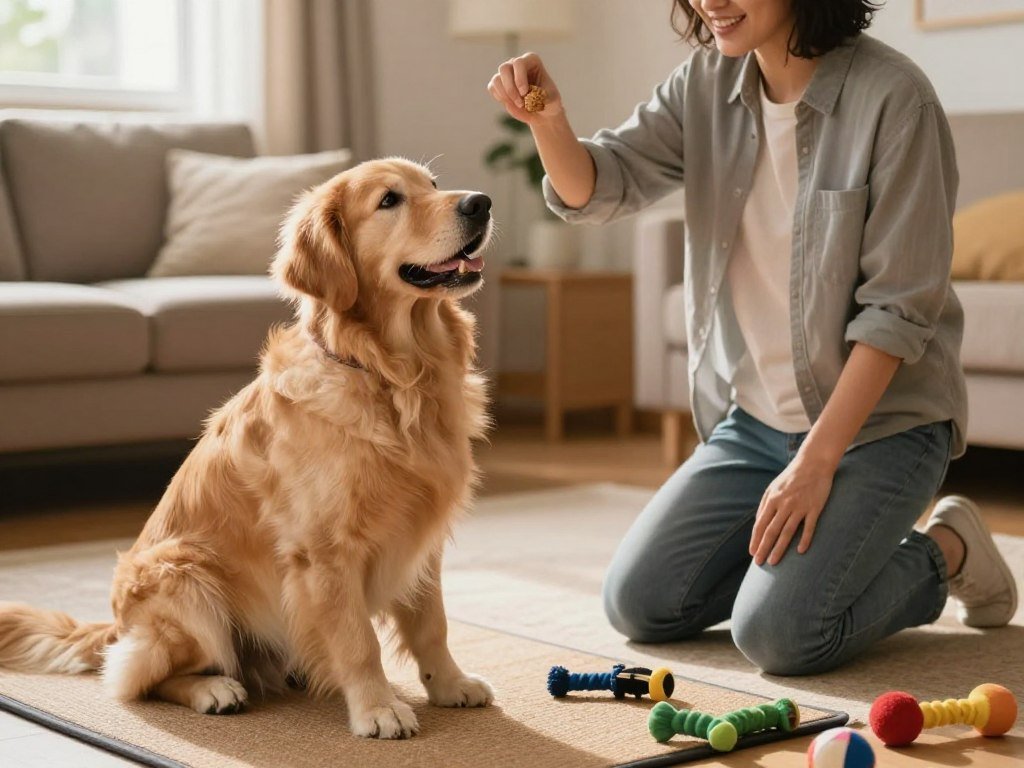
Barking and chewing are often signs of boredom or pent-up energy. A retrieving dog naturally needs an outlet for its instincts, so providing appropriate chew toys is essential. If your pet starts chewing furniture, calmly redirect them to a durable toy to reinforce positive habits.
Excessive barking can often be managed by identifying the trigger. Whether it is a squirrel in the yard or a delivery person, teaching a “quiet” command helps your dog understand when to stop. Consistency is the key to success in these training sessions.
Handling Separation Anxiety in Retrievers
Because this breed is highly social, they may struggle when left alone for long periods. Separation anxiety can manifest as pacing, whining, or destructive behavior. You can help your dog feel secure by practicing short departures and gradual reintroductions to your absence.
“Patience is the most important tool in your training kit. Remember that your dog is not acting out of spite, but out of a need for guidance and reassurance.”
Correcting Jumping and Nipping Behaviors
Jumping up is a common way for a friendly Golden Retriever to greet guests. To correct this, ignore the behavior until all four paws are on the floor, then reward them with attention. This teaches your pet that calm behavior earns the affection they crave.
Nipping is often a playful behavior that needs firm boundaries. When your retrieving dog gets too excited, stop the play immediately to signal that the interaction is over. Understanding these golden retriever characteristics allows you to shape their behavior into a polite and manageable routine.
| Behavior | Primary Cause | Recommended Solution |
|---|---|---|
| Excessive Barking | Boredom or Alerting | Mental stimulation and “Quiet” command |
| Destructive Chewing | Teething or Anxiety | Provide chew toys and redirection |
| Jumping Up | Seeking Attention | Ignore until calm, then reward |
| Nipping | Over-excitement | Stop play and remove attention |
Building a Strong Bond Through Play
Playtime is far more than just a way to burn energy; it is the foundation of your relationship with your dog. When you engage in fun activities, you create a shared language that goes beyond basic commands. This emotional connection is vital for a happy household.
The Role of Quality Time in Training
Training sessions should never feel like a chore for your Golden Retriever. By incorporating short bursts of play into your practice, you keep your dog motivated and eager to learn. This approach turns obedience into a rewarding game rather than a strict task.
Consistent interaction helps you establish yourself as a trusted leader. When you spend quality time together, you learn to anticipate your dog’s needs. This consistency is one of the most important golden retriever characteristics to nurture for long-term success.
Interactive Games That Strengthen Your Connection
As a natural retrieving dog, your pet thrives on activities that tap into their instincts. Simple games can significantly improve your bond while providing necessary mental stimulation. Consider these popular options to keep your companion engaged:
- Fetch: Perfect for burning energy and practicing “come” commands.
- Hide-and-Seek: Encourages your dog to use their nose and focus on your location.
- Tug-of-War: A great way to teach impulse control and “drop it” cues.
Understanding Your Dog’s Body Language
To truly connect, you must learn to read the subtle signals your dog sends. A relaxed posture, soft eyes, and a loose tail wag are clear signs of a happy retrieving dog. Conversely, stiff muscles or tucked ears may indicate stress or confusion.
Observing these cues allows you to adjust your play style to match your dog’s comfort level. Understanding these golden retriever characteristics ensures that every interaction remains positive and safe. The following table outlines how to interpret common behaviors during play.
| Behavior | Meaning | Recommended Action |
|---|---|---|
| Play Bow | Invitation to play | Engage in a fun game |
| Yawning | Stress or overstimulation | Take a short break |
| Soft, open mouth | Relaxed and happy | Continue the activity |
| Turning away | Need for space | End the session calmly |
Traveling and Socializing with Your Dog
Traveling with a Golden Retriever is a rewarding way to strengthen your bond while seeing new sights. These dogs are naturally curious and love being part of family activities. With the right preparation, you can ensure that every trip is a positive experience for both you and your pet.

Tips for Stress-Free Car Rides
Safety is the most important factor when you hit the road. Always use a crash-tested harness or a secure crate to keep your retrieving dog safe during sudden stops. Never allow your dog to roam freely in the vehicle, as this can be a major distraction for the driver.
Make the car a happy place by offering treats and praise before you even start the engine. If your dog is prone to anxiety, take short practice trips to local spots before embarking on a long journey. Remember to stop every few hours to let your dog stretch their legs and hydrate.
“The journey is always better when you have a loyal friend by your side to share the view.”
Visiting Dog Parks and Public Spaces
Socialization is a key part of the golden retriever characteristics that make them such wonderful companions. When visiting dog parks, always observe the environment before entering to ensure it is a good fit for your pet. Keep a close eye on your dog’s interactions to ensure they remain calm and respectful of other animals.
Always carry waste bags and clean up after your pet immediately. This simple act of courtesy helps keep public spaces welcoming for everyone. If your dog seems overwhelmed, do not hesitate to leave the area and try again another day.
Ensuring Safety During Family Outings
When you take your dog on family outings, preparation is your best tool. Ensure your dog wears a collar with an updated ID tag and consider microchipping for extra security. Always pack a portable water bowl and plenty of fresh water to keep your retrieving dog hydrated throughout the day.
Be mindful of the weather, as the thick coat associated with golden retriever characteristics can make them prone to overheating. Avoid long walks on hot pavement and seek out shaded areas whenever possible. By staying alert to your dog’s needs, you can enjoy many adventures together.
| Essential Item | Purpose | Frequency |
|---|---|---|
| Travel Crate | Safety and Security | Every Trip |
| Portable Water Bowl | Hydration | Daily |
| First Aid Kit | Emergency Care | Always |
| Waste Bags | Hygiene | Every Outing |
Golden Retriever Information for Long-Term Success
Long-term success with your Golden Retriever requires a proactive approach to their changing needs. As your companion matures, staying observant ensures they remain a happy and friendly pet throughout their life. Understanding the natural evolution of golden retriever characteristics helps you provide the best possible environment at every stage.
Monitoring Changes as Your Dog Ages
You should conduct regular home health checks to spot subtle shifts in behavior or physical condition. Watch for changes in mobility, appetite, or energy levels, as these are often the first indicators of aging. Early detection allows you to address potential issues before they become significant concerns.
“The true measure of a dog’s life is not just the years they spend with us, but the depth of the love and care we provide during their twilight years.”
Adjusting Care Routines for Senior Years
As your dog enters their senior years, their exercise needs will naturally decrease. Focus on low-impact activities like short, gentle walks to keep their joints supple without causing strain. Providing orthopedic bedding and elevated food bowls can also make a world of difference for their comfort.
Nutrition plays a vital role in maintaining health during this phase. You may need to switch to a senior-specific formula that supports joint health and weight management. Keeping your friendly pet at a healthy weight is the single most effective way to reduce stress on their aging body.
| Life Stage | Primary Focus | Exercise Level |
|---|---|---|
| Puppy | Socialization | Moderate/Playful |
| Adult | Maintenance | High/Active |
| Senior | Comfort/Support | Low/Gentle |
Finding Professional Support and Training Resources
Building a relationship with a trusted veterinarian is essential for long-term success. They can provide tailored advice based on the specific golden retriever characteristics observed in your dog. Do not hesitate to seek out specialists if you notice persistent behavioral or physical changes.
Additionally, many professional trainers offer programs specifically designed for older dogs. These resources can help you refine your communication and ensure your Golden Retriever remains mentally stimulated. Investing in professional guidance ensures that your journey together remains rewarding and stress-free for years to come.
Conclusion
Caring for a Golden Retriever is a rewarding journey that requires dedication, love, and a deep understanding of their unique needs. By balancing proper nutrition, consistent exercise, and positive training, you ensure your companion thrives in your home.
This guide provides the tools necessary to foster a healthy, happy life for your loyal friend. You now possess the knowledge to appreciate the specific golden retriever characteristics that make this breed so special.
Every day spent with your dog strengthens the connection you share. Your commitment to their well-being transforms them into a truly friendly pet that brings joy to your entire household.
With your continued attention and care, your Golden Retriever will remain a cherished member of your family for years to come. Start your journey today by putting these practices into action and watching your bond grow stronger with every passing season.
Golden Retriever Information for Long-Term Success
History and Origins of the Retriever Breed
Typical Golden Retriever Characteristics and Temperament
Why They Are Considered the Ultimate Family Dog
Essential Supplies for Your New Companion
Creating a Safe and Comfortable Living Space
Puppy Proofing Your Home Environment
Choosing the Right Food for Different Life Stages
Managing Portion Control to Prevent Obesity
Healthy Treats and Foods to Avoid
The Importance of Positive Reinforcement
Setting Realistic Expectations for Your Dog
Creating a Daily Training Schedule
Teaching Sit, Stay, and Come
Leash Training for Pleasant Walks
Socialization Techniques for a Friendly Pet
Engaging Your Dog with Retrieving Games
Puzzle Toys and Brain Games for Mental Health
Advanced Tricks to Keep Them Sharp
Managing the Double Coat and Shedding
Regular Brushing Techniques and Tools
Bathing and Nail Trimming Best Practices
Common Health Issues in the Golden Retriever
The Importance of Regular Wellness Exams
Vaccination Schedules and Preventative Care
Daily Activity Requirements for Physical Health
Safe Outdoor Play and Fetch Games
Adapting Exercise for Senior Dogs
Addressing Excessive Barking and Chewing
Handling Separation Anxiety in Retrievers
Correcting Jumping and Nipping Behaviors
The Role of Quality Time in Training
Interactive Games That Strengthen Your Connection
Understanding Your Dog’s Body Language
Tips for Stress-Free Car Rides
Visiting Dog Parks and Public Spaces
Ensuring Safety During Family Outings
Monitoring Changes as Your Dog Ages
Adjusting Care Routines for Senior Years
Finding Professional Support and Training Resources