Did you know that just fifteen minutes of focused sniffing can tire out your canine companion as much as a full hour of walking? Many owners focus solely on physical exercise, yet cognitive stimulation is just as vital for a balanced life.
Prioritizing Dog Mental Health & Enrichment is the secret to a calmer, more satisfied pet. By incorporating simple, budget-friendly activities into your daily routine, you can prevent boredom and destructive behaviors effectively.
This guide explores how small changes in your home environment create big results. When you focus on Dog Mental Health & Enrichment, you build a deeper, more rewarding bond with your furry friend that lasts a lifetime.
Key Takeaways
- Cognitive challenges are just as important as physical exercise for your pet.
- Sniffing activities provide natural stress relief and calm anxious behaviors.
- Budget-friendly DIY puzzles can keep your companion engaged for hours.
- Consistent daily interaction strengthens the emotional bond between you and your pet.
- Proactive care helps prevent common behavioral issues before they start.
Understanding the Importance of Dog Mental Health & Enrichment
Providing mental stimulation for dogs is the missing piece in the puzzle of a happy, well-adjusted pet. Many owners focus exclusively on physical exercise, yet a tired body does not always mean a satisfied mind. When your dog lacks cognitive challenges, they often become restless or bored.
Recognizing the mental health benefits for dogs allows you to create a more balanced environment at home. Engaging your dog’s brain helps prevent common issues like excessive barking, chewing, or digging. By prioritizing these activities, you foster a deeper sense of security and contentment in your companion.
It is helpful to view your dog’s daily needs as a combination of physical movement and intellectual work. While physical activity keeps the body fit, mental tasks build confidence and focus. The following table highlights how these two pillars of care differ and why both are vital for your pet’s long-term wellness.
| Activity Type | Primary Goal | Common Outcome |
|---|---|---|
| Physical Exercise | Cardiovascular health | Muscle tone and stamina |
| Mental Stimulation | Cognitive engagement | Reduced anxiety and boredom |
| Combined Approach | Holistic well-being | Balanced, calm behavior |
Ultimately, the mental health benefits for dogs extend far beyond simple obedience. When you offer consistent mental stimulation for dogs, you are investing in their emotional stability. A challenged dog is a happy dog, and that is the foundation of a great life together.
Signs Your Dog Needs More Mental Stimulation
Identifying the early warning signs of boredom can transform your relationship with your pet. When a dog lacks sufficient mental stimulation for dogs, they often find creative, albeit destructive, ways to entertain themselves. Paying close attention to these behavioral shifts is the first step toward improving their daily quality of life.
Common indicators that your companion requires more mental exercise for dogs include repetitive actions like tail-chasing, excessive barking, or constant pacing. You might also notice your dog digging in the yard or chewing on furniture when left alone. These behaviors are often frustrated attempts to burn off pent-up energy.

It is vital to remember that not every behavioral issue stems from boredom. If you notice sudden changes in your pet’s habits, consult your veterinarian to rule out underlying medical conditions or separation anxiety. Once health issues are cleared, you can focus on providing the mental stimulation for dogs they truly crave.
Providing consistent mental exercise for dogs helps channel their natural instincts into productive play. By observing these signs early, you can prevent unwanted habits from becoming permanent. A happy, engaged dog is usually a well-behaved member of the family.
The Science Behind Canine Behavioral Enrichment
Canine behavioral enrichment is more than just a trend; it is a scientifically backed necessity for your pet. When we provide structured cognitive tasks, we engage the brain in ways that simple physical movement cannot replicate. This process helps satisfy a dog’s natural instincts while promoting long-term emotional stability.
Many owners find that mental exercise for dogs is significantly more effective at tiring out high-energy breeds than a standard walk. While physical activity is vital for health, it often leaves the brain under-stimulated. By incorporating mental stimulation for dogs, you tap into their problem-solving abilities, which leads to a more satisfied and relaxed companion.
Research shows that consistent cognitive engagement lowers cortisol levels, which helps reduce stress. When a dog works through a puzzle or learns a new task, they experience a sense of accomplishment. This canine behavioral enrichment acts as a natural sedative, helping your pet settle down more easily after a session of focused work.
| Activity Type | Primary Benefit | Energy Burned | Cognitive Load |
|---|---|---|---|
| Standard Walk | Physical Fitness | Moderate | Low |
| Scent Games | Mental Focus | High | High |
| Puzzle Toys | Problem Solving | Low | High |
| Obedience Training | Impulse Control | Moderate | Very High |
Ultimately, balancing mental exercise for dogs with physical play creates a well-rounded routine. Providing consistent mental stimulation for dogs ensures that your pet remains sharp, happy, and calm throughout the day.
Creating a Daily Routine for Mental Wellness
A consistent daily routine acts as the foundation for long-term canine behavioral enrichment. When your pet knows what to expect, their anxiety levels often drop, allowing them to focus better on learning and play.
Integrating short, frequent sessions of cognitive play throughout the day is vital for dog mental wellness. Instead of one long, exhausting session, try breaking activities into ten-minute bursts. This approach keeps your dog engaged without causing unnecessary fatigue.
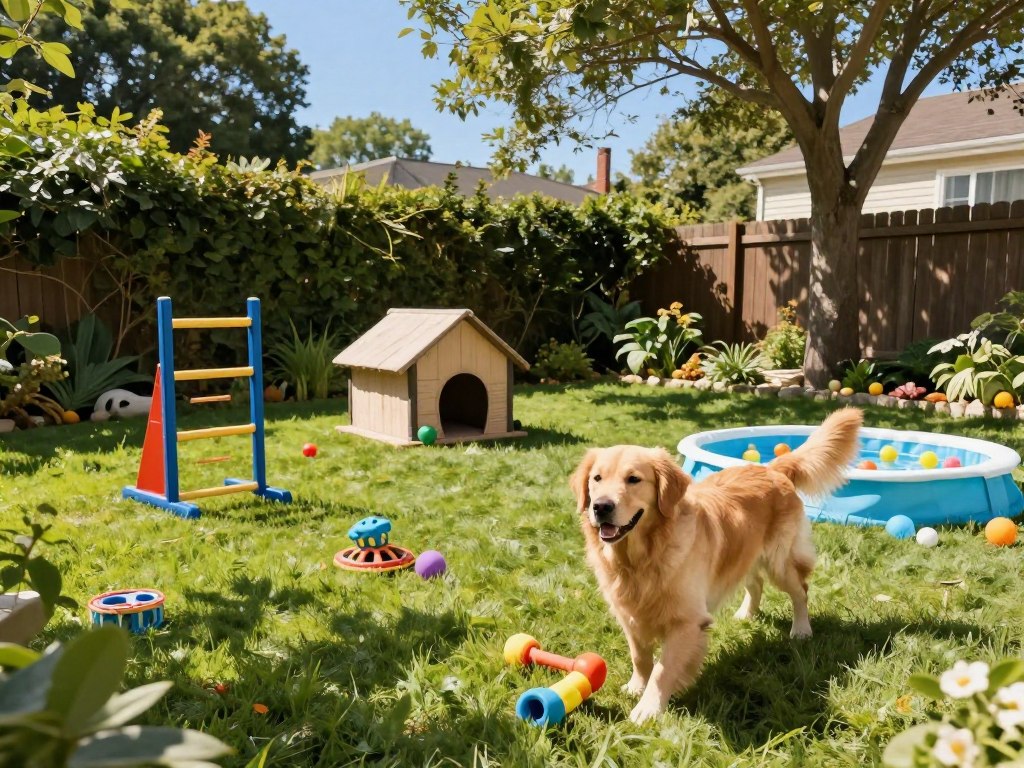
Balancing rest and activity is the key to a happy, stable companion. Dogs thrive when they have designated periods for high-energy tasks followed by quiet, restorative downtime. This structure ensures your pet remains mentally sharp and emotionally balanced throughout the week.
Use the following schedule as a template to support your dog mental wellness goals. By prioritizing canine behavioral enrichment in your daily flow, you create a predictable environment where your dog can truly flourish.
| Time of Day | Activity Type | Goal |
|---|---|---|
| Morning | Scent work or training | Mental focus |
| Midday | Puzzle toy or chew | Calm engagement |
| Afternoon | Decompression walk | Sensory exploration |
| Evening | Relaxation training | Restful transition |
Interactive Feeding Strategies to Boost Brain Power
Many owners overlook the potential of mealtime for canine behavioral enrichment. Instead of simply pouring kibble into a standard bowl, you can turn every meal into a rewarding mental workout. This simple shift helps keep your dog sharp and satisfied throughout the day.
Utilizing Puzzle Feeders and Slow Bowls
Puzzle feeders are fantastic tools for dogs that tend to gulp their food too quickly. By requiring your pet to nudge, slide, or flip components to reach their kibble, these devices naturally slow down the eating process. This reduction in speed is vital for preventing digestive issues like bloating.
Beyond physical health, these tools force your dog to use their problem-solving skills. They must figure out the mechanism to earn their reward, which provides a great sense of accomplishment. Incorporating these into your routine is a highly effective form of canine behavioral enrichment that keeps boredom at bay.
Implementing Snuffle Mats for Natural Foraging
Snuffle mats offer a different approach by tapping into your dog’s deep-seated instinct to scavenge. These fabric mats feature strips of felt that hide dry food or treats, forcing your dog to use their nose to find every bite.
This activity is incredibly calming for most dogs, as sniffing is a natural stress-reliever. It turns a quick meal into a meaningful sensory experience that promotes canine behavioral enrichment. By encouraging your dog to forage, you provide a healthy outlet for their natural energy and curiosity.
Scent Work Games You Can Play at Home
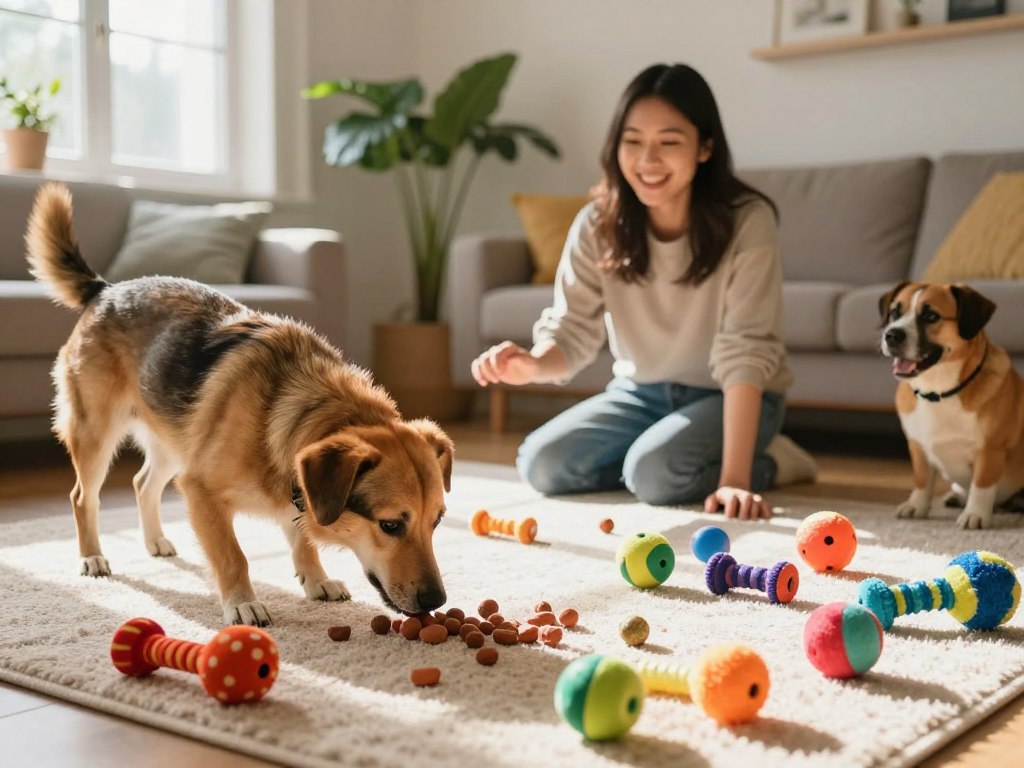
If you are looking for simple mental health activities for dogs, look no further than your own living room. Scent work is a natural and rewarding way to engage your pet’s brain while providing a much-needed outlet for their energy. Sniffing is more than just a hobby for your dog; it actually decreases their heart rate and releases dopamine, leading to a calmer and happier companion.
Setting Up a Simple Indoor Scent Hunt
You do not need expensive equipment to start a scent hunt. Simply hide high-value treats or a favorite toy in various spots around a room while your dog waits in another area. Once you give the cue, encourage them to use their nose to track down the hidden treasures.
To keep these mental health activities for dogs engaging, follow these tips:
- Start with easy, visible locations before moving to harder spots.
- Use a specific command like “find it” to help your dog understand the game.
- Keep sessions short to maintain high levels of excitement and focus.
Teaching Your Dog to Identify Specific Objects
Taking scent work to the next level involves teaching your dog to recognize and retrieve specific items. This process challenges their cognitive abilities and strengthens the bond you share. By focusing on mental health activities for dogs that require problem-solving, you help build your pet’s confidence.
Begin by introducing a single object, such as a specific toy, and rewarding your dog for interacting with it. Once they consistently recognize that item, you can introduce a second object and ask them to choose the correct one. Patience is key during this training, as it allows your dog to process the information and succeed at their own pace.
The Power of Positive Reinforcement Training
Positive reinforcement serves as a cornerstone for building a deeper connection with your pet. By rewarding desired behaviors, you create a safe environment where your dog feels confident to explore new challenges. These mental health activities for dogs are essential for maintaining a balanced and happy lifestyle.
Mastering Basic Obedience for Mental Focus
Basic obedience commands provide the mental clarity your dog needs to navigate their world safely. When you practice these skills, you help your pet develop better impulse control and focus. It is truly rewarding to see your dog gain confidence through clear, consistent communication.
Keep in mind that training does not need to be a long, drawn-out process. In fact, just 5–15 minutes of training can be mentally exhausting for a dog. Short, high-quality sessions are far more effective than long, repetitive drills that might lead to frustration.
Introducing Trick Training as a Bonding Activity
Once your dog has mastered the basics, you can introduce trick training to keep the learning process fresh and exciting. Teaching a new skill is one of the most effective mental health activities for dogs because it requires deep concentration and problem-solving. This shared experience strengthens your bond and provides a fun outlet for your dog’s natural curiosity.
Whether you are teaching a simple “spin” or a complex “fetch,” the goal is to keep the atmosphere light and encouraging. Celebrate every small success with your pet to ensure they remain motivated. By turning training into a game, you ensure that your dog stays mentally sharp and emotionally fulfilled.
Physical Exercise That Challenges the Mind
Combining movement with cognitive challenges is the secret to a happy, well-adjusted canine. While many owners focus solely on physical exhaustion, true wellness comes from engaging the brain during activity. These mental health activities for dogs ensure that your pet stays sharp, calm, and emotionally balanced throughout the day.
Decompression Walks and Sensory Exploration
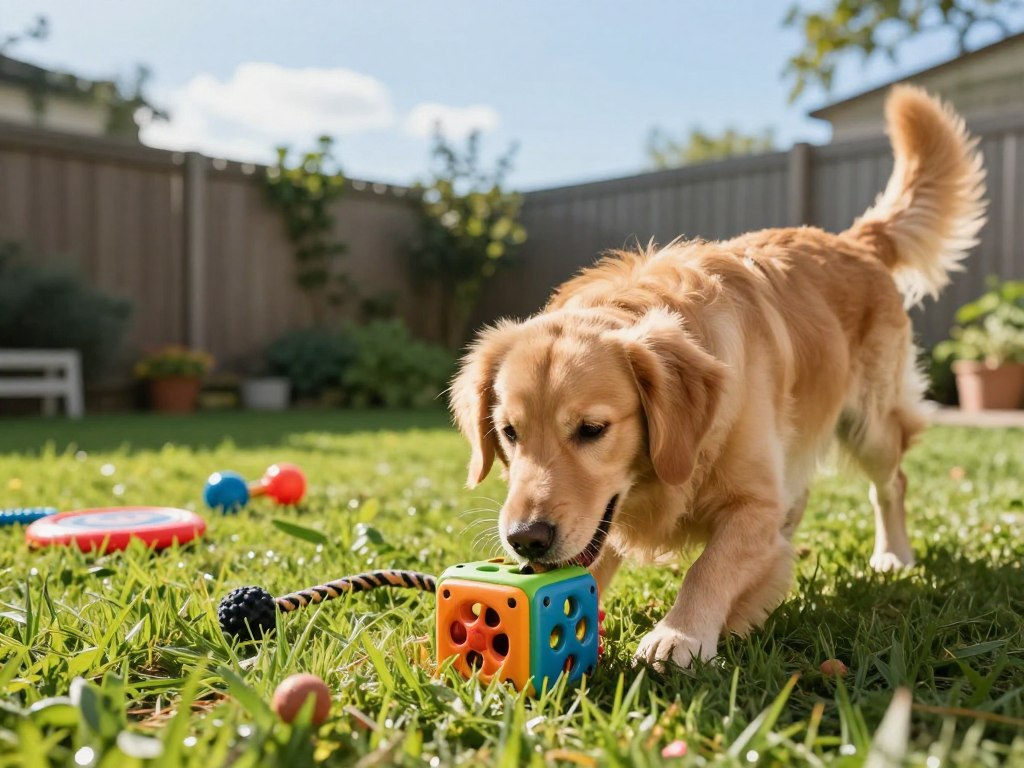
A decompression walk is not about distance or speed. Instead, it is about allowing your dog to lead the way and engage their nose with the environment. Sniffing is a vital form of mental stimulation that lowers cortisol levels and promotes relaxation.
When you let your dog sniff, they process complex information about their surroundings. This sensory exploration acts as a powerful mental exercise for dogs, tiring them out far more effectively than a brisk, structured walk. Always prioritize their need to investigate scents over your desire to reach a specific destination.
“The most effective way to tire a dog is to let them use their nose. A fifteen-minute sniff-walk can be more exhausting than a one-hour run.”
Incorporating Agility Elements into Backyard Play
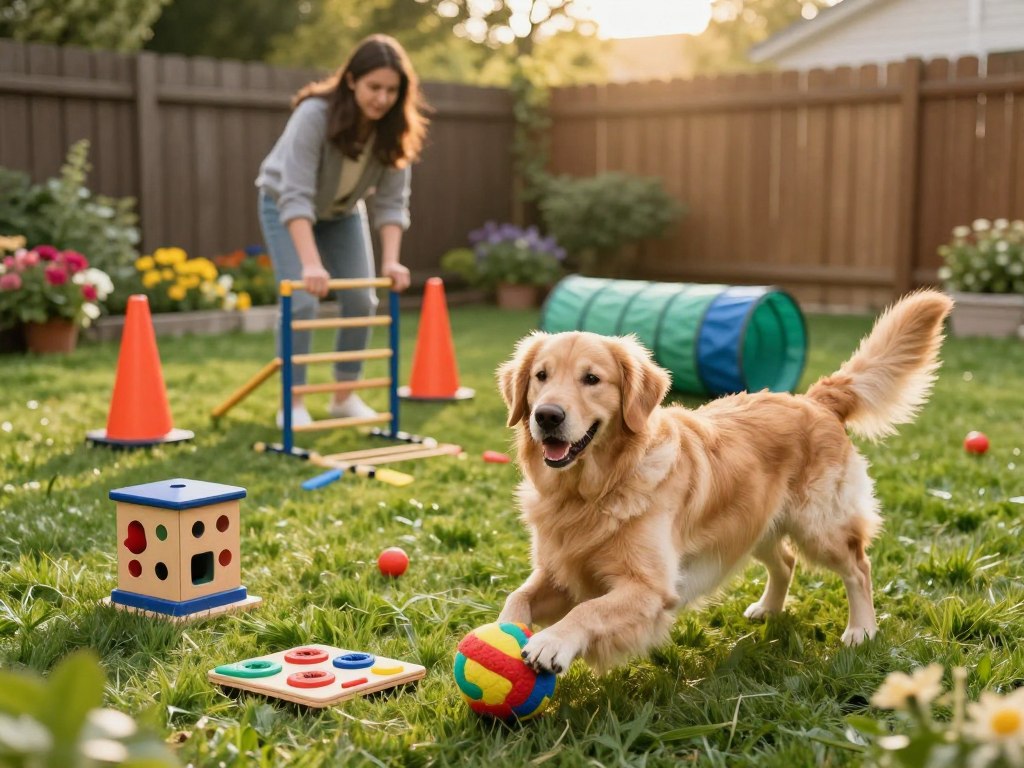
You do not need professional equipment to turn your backyard into an agility course. Simple household items like broomsticks, cardboard boxes, or low stools can create a fun obstacle course. These activities improve your dog’s coordination and require intense focus to navigate safely.
By teaching your dog to weave, jump, or balance, you strengthen your bond while building their confidence. This type of play forces them to think about their body placement, which is a fantastic way to sharpen their mind. Consistency in these sessions will lead to better obedience and a more attentive companion.
| Activity Type | Primary Benefit | Difficulty Level |
|---|---|---|
| Decompression Walk | Emotional Regulation | Easy |
| Backyard Agility | Coordination & Focus | Moderate |
| Scent Games | Problem Solving | Moderate |
DIY Enrichment Toys Using Household Items
Many of the best enrichment tools for your canine companion are likely already sitting in your recycling bin. You do not need expensive equipment to provide high-quality mental stimulation for your dog. By repurposing common household objects, you can create engaging challenges that keep your pet entertained without breaking the bank.
Crafting Cardboard Box Puzzles
Cardboard boxes are excellent tools for encouraging natural scavenging and problem-solving behaviors. Simply place a few dry treats inside a small box, fold the flaps, and let your dog figure out how to open it. This simple activity forces your dog to use their nose and paws to reach the reward.
For a more complex challenge, you can place treats inside a muffin tin and cover each hole with a tennis ball or a crumpled piece of paper. Your dog must learn to remove the obstacles to access the hidden snacks. This type of puzzle is perfect for building confidence and focus during quiet afternoons at home.
Making Braided T-Shirt Tug Toys
If you have old cotton T-shirts lying around, you have the perfect material for a durable, homemade tug toy. Braiding strips of fabric together creates a strong rope that is gentle on your dog’s teeth and gums. These toys provide a wonderful outlet for physical play and bonding between you and your pet.
To make one, cut three long strips of fabric, knot them at one end, and braid them tightly. Secure the other end with a firm knot to ensure the toy stays intact during vigorous play sessions. This DIY project is not only cost-effective but also allows you to customize the size and thickness based on your dog’s breed and strength.
| Feature | DIY Household Toys | Store-Bought Toys |
|---|---|---|
| Cost | Free or very low | Moderate to high |
| Customization | Fully adjustable | Limited to design |
| Sustainability | Upcycles waste | Often plastic-based |
| Engagement | High mental effort | Varies by product |
Socialization and Its Role in Mental Stability
Proper socialization serves as a foundational pillar for long-term canine wellness. It is not merely about meeting other pets; it is about helping your companion navigate the world with ease. By promoting mental health in dogs through varied experiences, you build a resilient and confident animal.
Safe Ways to Expose Your Dog to New Environments
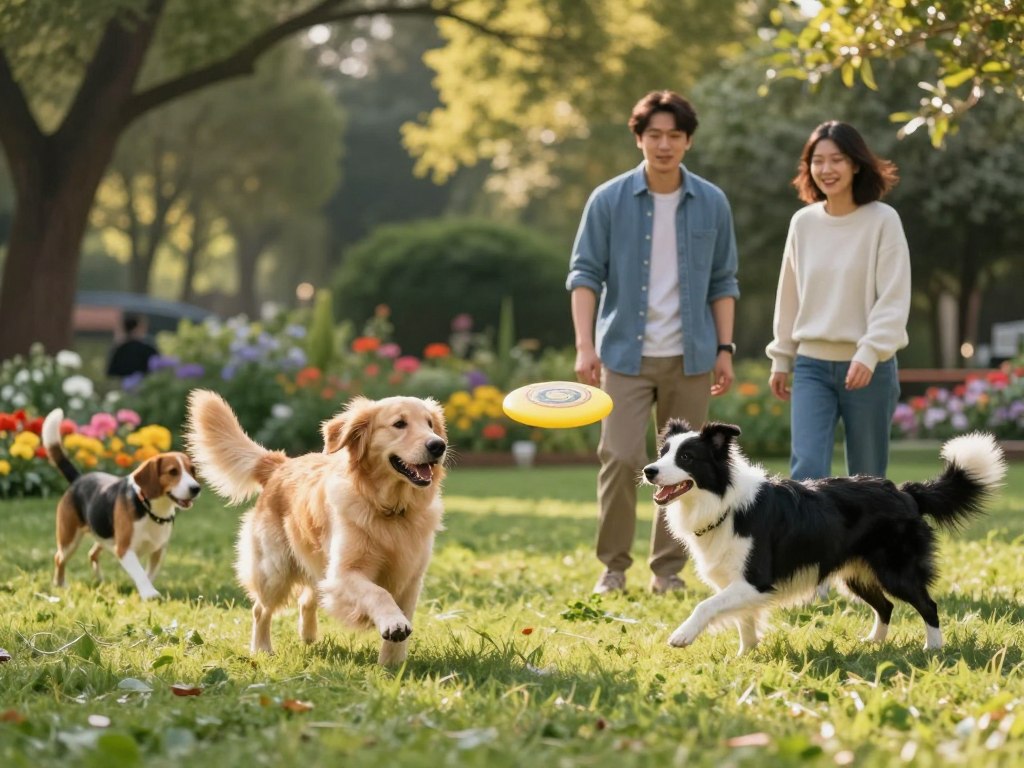
Exposure should always be gradual and controlled to prevent overwhelming your pet. Start by introducing new sights, sounds, and surfaces in quiet areas where your dog feels secure. This slow approach is essential for promoting mental health in dogs as it allows them to process information without fear.
Try visiting a local park during off-peak hours or walking on different textures like gravel, grass, and wood. Always reward calm behavior with treats or praise to create positive associations. Consistency is the key to helping your dog feel brave in unfamiliar settings.
“The best way to build a dog’s confidence is to let them explore the world at their own pace, with you as their steady anchor.”
Managing Interactions with Other Dogs and People
Quality interactions are far more important than the quantity of meetings. When you encounter others, ensure the experience remains positive to avoid unnecessary stress. If your dog seems hesitant, give them space and allow them to approach on their own terms.
By carefully managing these moments, you are actively promoting mental health in dogs and preventing behavioral issues. Positive reinforcement during these encounters helps your pet learn that new people and animals are sources of joy rather than threats. Remember, your calm presence acts as a guide for your dog’s emotional state.
The Impact of Calmness and Relaxation Training
While exercise is important, helping your dog find their “off switch” provides significant mental health benefits for dogs. Many owners focus heavily on high-energy activities, yet teaching a pet how to settle is just as vital for their long-term stability. By prioritizing rest, you contribute directly to improved dog mental wellness.
Teaching the Place Command
The “place” command is a powerful tool that establishes a clear boundary for rest. When you teach your dog to go to a specific mat or bed, you provide them with a designated sanctuary. This structure helps anxious dogs understand exactly where they are expected to relax.
Consistency is the key to success with this training. Start by rewarding your dog for simply stepping onto their mat, then gradually increase the duration they must stay there. Over time, this command becomes a reliable cue for your pet to lower their heart rate and disengage from household chaos.
Encouraging Quiet Time with Licking Mats
Licking is a natural, self-soothing behavior that releases endorphins in a dog’s brain. Using a licking mat filled with yogurt, peanut butter, or wet food creates a repetitive, calming experience. This simple activity is an excellent way to help your dog settle down after a period of high excitement.
Integrating these tools into your daily routine ensures your pet learns to transition from play to rest effectively. The following table highlights how different enrichment styles support your dog’s emotional state.
| Enrichment Type | Primary Goal | Energy Level |
|---|---|---|
| Agility Training | Physical Fitness | High |
| Place Command | Mental Settling | Low |
| Licking Mats | Stress Reduction | Low |
| Scent Games | Cognitive Focus | Moderate |
Managing Boredom During Work Hours
Promoting mental health in dogs is a full-time job, even when you are busy at work. Many owners feel guilty about leaving their pets alone, but you can easily create a positive experience for them. By planning ahead, you ensure your dog stays happy and relaxed until you return home.
Setting Up a Safe Enrichment Zone
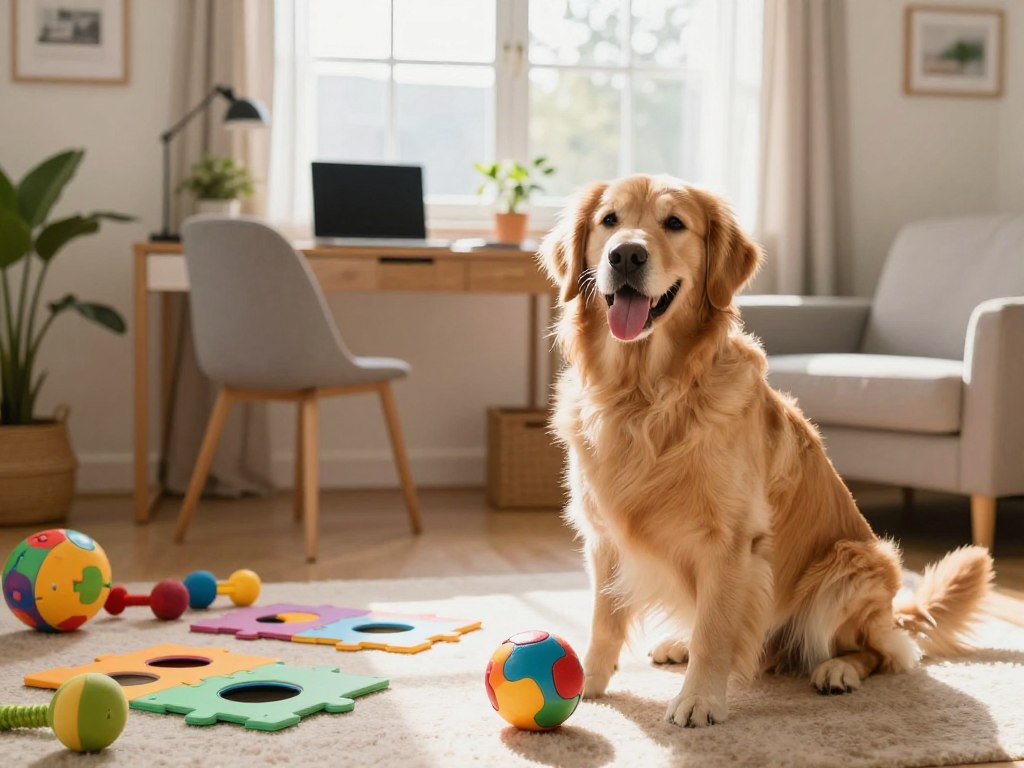
A dedicated enrichment zone acts as a safe haven for your pet. Choose a room or a specific area that is free from hazards like electrical cords or small objects. This space should be comfortable, featuring a cozy bed and easy access to fresh water.
Fill this area with items that encourage natural behaviors, such as sniffing or chewing. When you focus on promoting mental health in dogs, you provide them with a sense of security. A well-prepared zone helps prevent destructive habits caused by stress or isolation.
Using Automated Toys and Background Sounds
Technology offers excellent solutions for keeping your dog occupied during the day. Automated puzzle toys can dispense treats at intervals, keeping your dog’s brain active and engaged. These tools are perfect for promoting mental health in dogs because they reward curiosity and problem-solving.
“A dog that is mentally stimulated throughout the day is far less likely to develop separation anxiety or behavioral issues.”
Additionally, consider using background sounds to create a soothing atmosphere. Soft classical music or white noise machines can mask outside sounds that might trigger barking. This simple addition helps maintain a calm environment, ensuring your pet feels at ease while you are away.
| Tool Type | Primary Benefit | Best For |
|---|---|---|
| Automated Treat Dispenser | Mental Stimulation | Food-motivated dogs |
| White Noise Machine | Anxiety Reduction | Sensitive or reactive dogs |
| Interactive Puzzle Toy | Cognitive Engagement | High-energy breeds |
Holistic Enrichment for Dogs of All Ages
Providing holistic enrichment for dogs means meeting them exactly where they are in their life journey. Every stage of a canine’s life brings unique physical and cognitive needs that require a thoughtful, tailored approach. By promoting mental health in dogs through age-appropriate activities, you ensure your companion remains happy and engaged for years to come.
Adapting Activities for Senior Dogs
As dogs enter their golden years, their physical stamina may decrease, but their need for mental stimulation remains high. You can keep their minds sharp without putting undue stress on their joints by choosing low-impact activities. Focus on sensory experiences that do not require running or jumping.
- Scent games: Hide treats in low-profile areas where your dog can sniff them out without needing to climb.
- Gentle massage: Physical touch provides comfort and reduces anxiety in older pets.
- Simple puzzles: Use slow-feeders that require minimal movement to solve.
Engaging High-Energy Puppies Safely
Puppies are naturally curious and full of life, which can sometimes lead to unwanted behaviors if they are not properly challenged. Engaging high-energy puppies safely involves structured play that channels their natural curiosity into productive, calm behaviors. It is vital to teach them that mental focus is just as rewarding as physical exertion.
Try incorporating short, frequent training sessions throughout the day to build their attention span. By promoting mental health in dogs early on, you set the foundation for a well-adjusted adult. Remember that holistic enrichment for dogs is not about exhausting them, but about teaching them how to settle down and relax after a fun session of learning.
Monitoring Progress and Adjusting Your Approach
Consistent monitoring of your dog’s behavior provides a clear roadmap for their emotional growth. By paying close attention to how your pet responds to new activities, you can better support their dog mental wellness. This process helps you identify which enrichment strategies truly resonate with their unique personality.
Keeping a Mental Health Journal for Your Pet
Maintaining a simple log is one of the most effective ways to track the mental health benefits for dogs. You do not need a complex system to see patterns in your pet’s daily life. Simply noting down key observations can reveal significant insights over time.
Consider tracking these specific areas in your journal:
- Energy levels: Note if your dog seems lethargic or overly restless after specific activities.
- Behavioral changes: Record any new habits, such as increased chewing or improved focus during training.
- Happiness markers: Track tail wags, playfulness, and their overall willingness to engage with toys.
Recognizing When to Seek Professional Help
While home enrichment is powerful, some situations require an expert’s touch. It is vital to recognize when your efforts are not enough to address persistent behavioral challenges. Prioritizing dog mental wellness means knowing your limits as an owner.
You should consult a professional trainer or veterinary behaviorist if you notice the following signs:
- Sudden, unexplained aggression or extreme fear responses.
- Compulsive behaviors that interfere with daily life, such as constant pacing.
- A lack of improvement despite consistent changes to your enrichment routine.
Seeking help early can maximize the mental health benefits for dogs and prevent minor issues from becoming long-term problems. Remember, asking for guidance is a sign of a responsible and caring pet parent.
Common Mistakes to Avoid in Enrichment Planning
Providing holistic enrichment for dogs is a wonderful goal, but it is easy to make mistakes along the way. Even the most dedicated pet parents can accidentally push their companions too far. A balanced approach is essential to keep your dog happy and healthy.
Preventing Overstimulation and Frustration
It is common to think that more activity is always better, but this can lead to unintended stress. If your dog seems restless or unable to settle after a game, they may be overstimulated. Always prioritize quality over quantity to ensure your pet remains engaged rather than overwhelmed.
When implementing holistic enrichment for dogs, remember that frustration often occurs when a puzzle is too difficult. If your dog gives up or starts destroying the toy, simplify the task immediately. Success builds confidence, while constant failure creates anxiety.
Ensuring Safety During Independent Play
Independent play is a great way to keep your dog busy, but it requires careful supervision. You should always monitor your dog with new toys to prevent accidental ingestion or injury. Safety must remain your top priority during every session.
Check all toys regularly for signs of wear and tear. By choosing durable materials and supervising your pet, you can enjoy the benefits of holistic enrichment for dogs without the worry. A safe environment is the foundation of a successful mental wellness routine.
Conclusion
Improving your Dog Mental Health & Enrichment is a continuous journey that yields immense rewards for both the pet and the owner. Every small effort you make today builds a stronger bond and a more resilient companion.
You have the power to transform your daily routine into a series of meaningful experiences. By integrating simple, consistent strategies, you foster a happier, more confident, and well-behaved friend. Your commitment to these practices creates a lasting impact on your pet’s quality of life.
True holistic enrichment for dogs is about finding the right balance of play, rest, and training to support long-term well-being. Focus on the unique personality of your dog to see what brings them the most joy. Small adjustments in your home environment can lead to significant improvements in behavior and mood.
Start your journey today by picking one new activity to try this week. Share your progress with other pet parents or local community groups to keep the momentum going. Your dedication ensures your dog lives a full, vibrant life by your side.
FAQ
How much daily mental exercise for dogs is recommended to see real results?
What are the primary mental health benefits for dogs who engage in enrichment?
Can I provide holistic enrichment for dogs on a tight budget?
Is it possible for a dog to get overstimulated by too many mental health activities for dogs?
Why is scent work considered one of the best forms of mental exercise for dogs?
Does dog mental wellness change as my pet reaches their senior years?