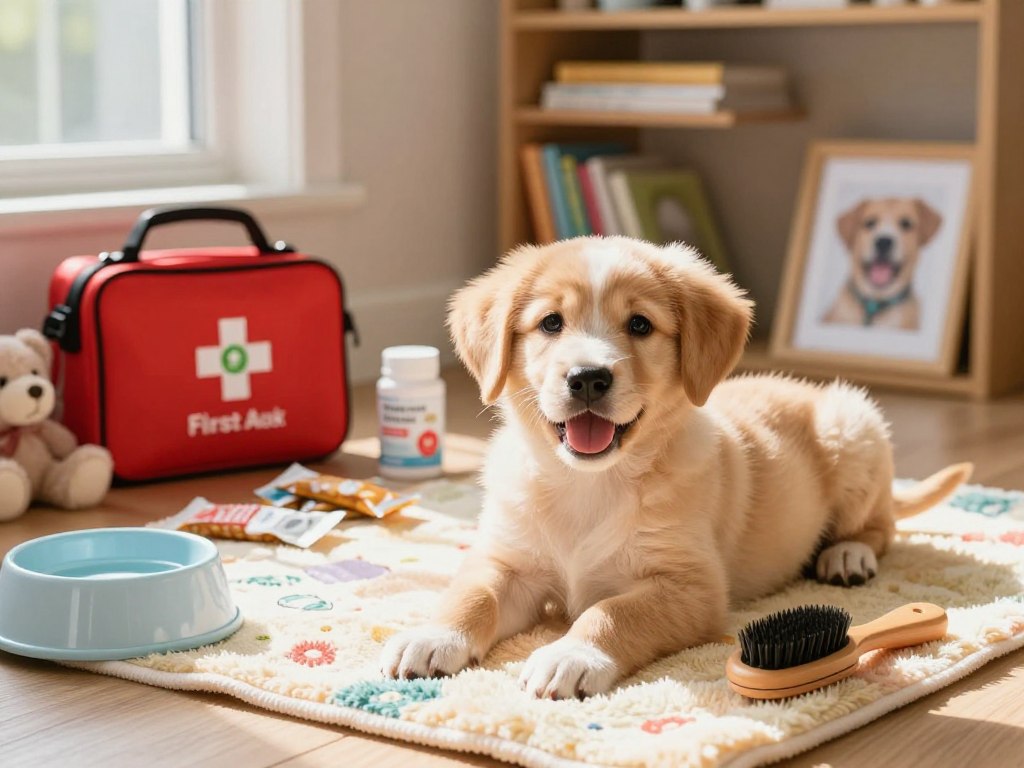
Did you know that nearly 60% of behavioral problems in adult dogs stem from missed opportunities during their first six months? Bringing a new furry friend home is an exciting milestone, but it also marks the start of a vital journey. Proactive management is the secret to ensuring your companion thrives for years to come.
Establishing a comfortable environment from day one sets the stage for a long, joyful life. By prioritizing puppy health care early, you can prevent many common physical and behavioral issues before they even begin. Taking these small steps now builds a foundation of trust and wellness that lasts a lifetime.
Investing time in your pet’s routine is the best gift you can provide. Consistent attention to puppy health care ensures your new family member feels secure, loved, and ready to explore the world by your side.
Key Takeaways
- Start training and socialization during the first few weeks at home.
- Create a safe, quiet space where your pet can rest undisturbed.
- Schedule early veterinary visits to establish a baseline for wellness.
- Focus on positive reinforcement to build confidence and good habits.
- Maintain a consistent daily routine to reduce anxiety and stress.
- Monitor nutrition and growth milestones to support physical development.
The Foundations of Puppy Health care
Proper care during the early weeks of a puppy’s life sets the stage for a vibrant and active adulthood. By focusing on proactive wellness, you can ensure your new companion thrives throughout every stage of their growth. Investing time in quality puppy health care now prevents many complications later in life.
Understanding the Developmental Stages of Puppies
Puppies undergo rapid physical and neurological changes during their first six months. During this critical window, their immune systems are still developing, making them more susceptible to environmental stressors. It is vital to monitor their growth patterns closely to ensure they meet standard milestones for their breed.
Socialization and cognitive development also peak during these early months. Providing a safe, stimulating environment helps your puppy build confidence and emotional stability. Consistent attention to their behavioral cues is a core component of comprehensive puppy health care.
The Role of Preventive Care in Early Life
Preventive medicine is the most effective way to safeguard your pet’s future. Routine veterinary exams allow professionals to detect congenital conditions or developmental delays before they manifest as serious health issues. Early screenings provide a baseline for your dog’s unique physiological needs.
Regular checkups also ensure that your puppy stays on track with essential wellness protocols. By prioritizing consistent puppy health care, you create a strong partnership with your veterinarian. This proactive approach empowers you to provide the specific support your puppy needs to grow into a healthy, happy adult dog.
Establishing a Relationship with Your Veterinarian
Your puppy’s health journey begins the moment you choose a trusted veterinary partner. Building a strong, collaborative bond with a medical professional ensures that your pet receives consistent care throughout every stage of life. By following expert puppy wellness tips, you can create a foundation of trust that makes every clinic visit easier for both you and your furry friend.
Selecting the Right Clinic for Your Needs
When searching for a clinic, consider the convenience of the location and the office hours. You want a facility that is easy to reach, especially during urgent situations. Friendly and attentive staff members are just as important as the doctors themselves, as they set the tone for your entire experience.
Take the time to visit the clinic before your first appointment if possible. Observe the cleanliness of the waiting area and ask about their emergency protocols. Choosing a clinic that aligns with your values and communication style will make you feel much more confident in the care your puppy receives.
What to Expect During Your First Dog Health Checkup
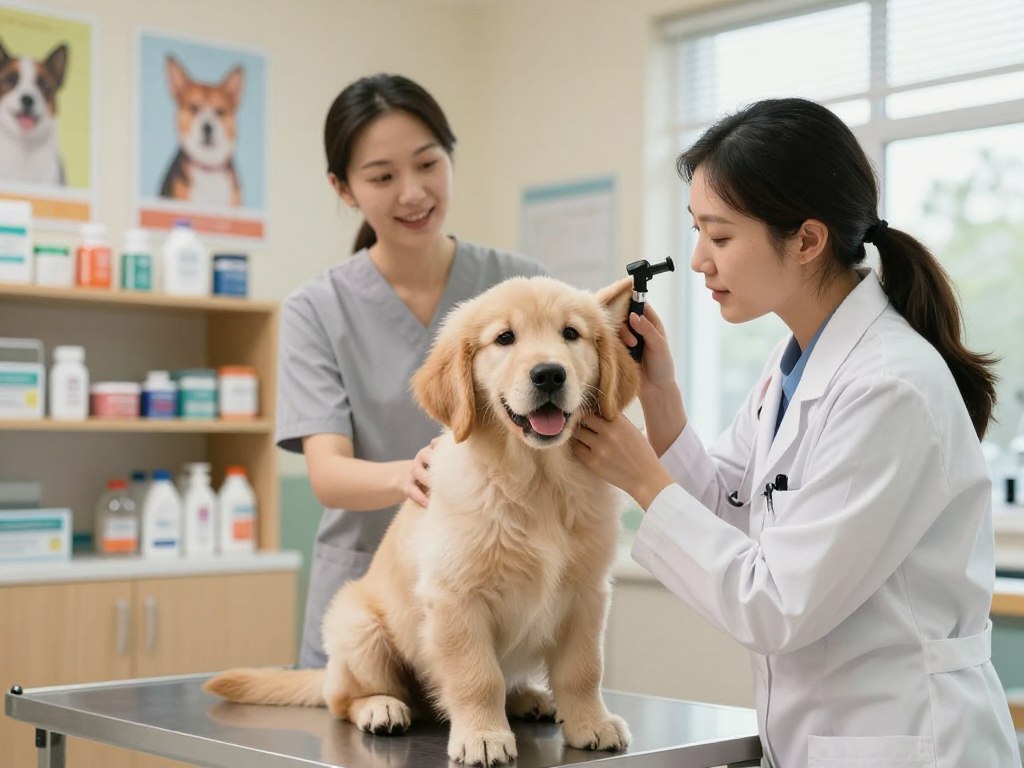
Your initial dog health checkup is a comprehensive introduction to your puppy’s medical history. The veterinarian will perform a thorough physical examination, checking everything from your puppy’s heart rate to their coat condition. This is the perfect time to discuss long-term care plans and ask any questions you might have about your new companion.
Be prepared to share details about your puppy’s diet, activity levels, and any behavioral observations you have made at home. Your vet will likely provide a schedule for future visits and offer specific puppy wellness tips tailored to your dog’s breed and lifestyle. Remember, this first visit is a vital step in ensuring your puppy grows up happy, healthy, and well-adjusted.
Understanding the Essential Pet Vaccination Schedule
A well-planned pet vaccination schedule acts as a vital shield against dangerous viral diseases during your dog’s early development. By following this timeline, you provide your puppy with the immunity needed to thrive in a world full of unseen pathogens. Consistency is the key to ensuring your furry friend stays protected during their most vulnerable months.
Core Vaccines Every Puppy Needs
Core vaccines are considered essential for all dogs, regardless of where they live or their specific lifestyle. These shots protect against highly contagious and often fatal diseases that are prevalent across the United States. Veterinarians typically recommend a series of boosters starting at six to eight weeks of age to build a strong immune response.
The standard pet vaccination schedule for core protection usually includes the DHPP vaccine. This combination shot covers Distemper, Adenovirus, Parvovirus, and Parainfluenza. Additionally, the Rabies vaccine is legally required in almost every state due to the severe risk it poses to both animals and humans.
Non-Core Vaccines Based on Lifestyle and Geography
Non-core vaccines are optional but highly recommended based on your puppy’s specific environment and daily activities. If your dog spends time in boarding facilities, dog parks, or wooded areas, they may face higher exposure to certain bacteria and parasites. Discussing these risks with your vet helps tailor a customized health plan for your pet.
Common non-core options include protection against Bordetella, which is crucial for social dogs, and the Lyme vaccine for those living in tick-prone regions. Leptospirosis is another important consideration if your puppy frequently explores areas with wildlife or standing water. Integrating these into your pet vaccination schedule ensures comprehensive coverage against regional threats.
| Vaccine Type | Primary Purpose | Recommended For |
|---|---|---|
| Core (DHPP) | Viral Protection | All Puppies |
| Rabies | Legal Requirement | All Puppies |
| Bordetella | Kennel Cough | Social/Boarded Dogs |
| Lyme | Tick-borne Disease | Outdoor/Rural Dogs |
Puppy Nutrition Guide for Optimal Growth
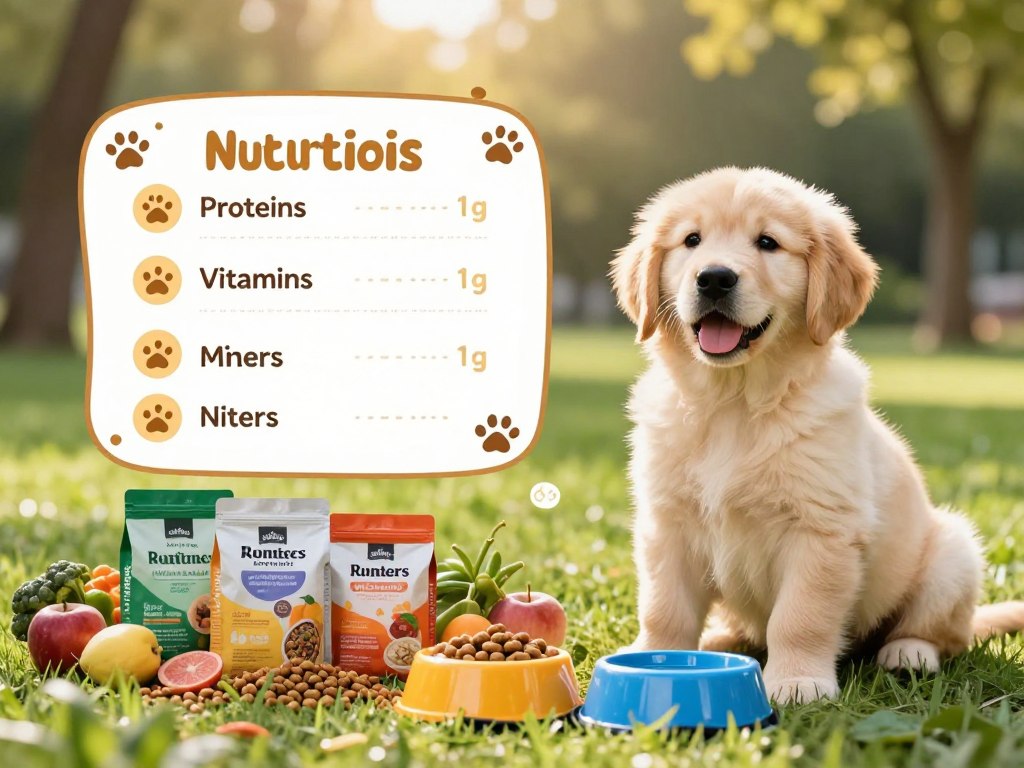
Proper nutrition serves as the foundation for your puppy’s growth and vitality. Providing the right balance of nutrients during these formative months ensures that your dog develops strong bones, a healthy immune system, and a shiny coat. This puppy nutrition guide will help you navigate the complex world of pet food options with confidence.
Choosing High-Quality Puppy Formulas
Not all dog foods are created equal, especially when it comes to the specific needs of a growing canine. You should look for formulas explicitly labeled for “growth” or “all life stages” to ensure they meet the high caloric demands of a puppy. High-quality ingredients, such as real meat proteins and healthy fats, are essential for brain development and muscle maintenance.
Avoid generic fillers that offer little nutritional value. Instead, prioritize brands that conduct feeding trials to verify their claims. A reliable puppy nutrition guide suggests checking the label for a statement from the Association of American Feed Control Officials (AAFCO) to guarantee the food is nutritionally complete.
“The quality of fuel you provide during the first year of life dictates the health trajectory of your dog for years to come.”
Establishing a Consistent Feeding Schedule
Consistency is the secret to maintaining stable energy levels and supporting healthy digestion. Puppies have small stomachs and high metabolic rates, meaning they require frequent, smaller meals throughout the day. By sticking to a routine, you also make housebreaking much easier, as your puppy will likely need to go outside shortly after eating.
Use the following table to determine how often you should feed your companion based on their age:
| Puppy Age | Meals Per Day | Focus Area |
|---|---|---|
| 8 to 12 Weeks | 4 Meals | Frequent energy replenishment |
| 3 to 6 Months | 3 Meals | Steady growth support |
| 6 Months+ | 2 Meals | Weight management |
Always monitor your puppy’s body condition to ensure they are not gaining weight too quickly. If you notice any changes in appetite or energy, consult your veterinarian immediately. Following this puppy nutrition guide will help your furry friend thrive during their most important developmental stages.
The Importance of Consistent Puppy Exercise Routines
Establishing a healthy balance between play and rest is the secret to a thriving puppy. A well-planned puppy exercise routine supports healthy bone development and helps your pet burn off excess energy in a constructive way. Without proper guidance, young dogs may overexert themselves, which can lead to long-term joint issues.
Age-Appropriate Physical Activity
Every breed has different needs, but a general rule is to provide short, frequent bursts of activity rather than long, strenuous sessions. Puppies are still developing, so their joints and growth plates are highly sensitive to high-impact movements.
Consider these guidelines to keep your dog safe:
- Avoid forced running: Do not take your puppy on long jogs or bike rides until they are fully grown.
- Focus on play: Use games like gentle tug-of-war or short sessions of fetch in a soft, grassy area.
- Monitor intensity: If your puppy starts panting heavily or lagging behind, it is time to stop and let them recover.
Balancing Playtime with Necessary Rest
While movement is vital, rest is equally important for a growing puppy. Puppies often do not know when to stop, which is why you must act as their guide. A consistent puppy exercise routine should always include scheduled downtime to prevent exhaustion.
When your puppy is tired, they may become nippy or hyperactive, which are clear signs they need a nap. Providing a quiet, comfortable crate or a cozy corner helps them settle down after a period of activity. By prioritizing both movement and sleep, you ensure your puppy stays healthy, happy, and well-adjusted as they grow.
Puppy Dental Care and Oral Hygiene Basics
Establishing a routine for puppy dental care is one of the best gifts you can give your growing dog. While many owners focus primarily on nutrition and exercise, maintaining a clean mouth is essential for preventing future periodontal disease. Starting these habits early ensures your pet remains comfortable with the process as they mature.
Introducing Toothbrushing to Your Puppy
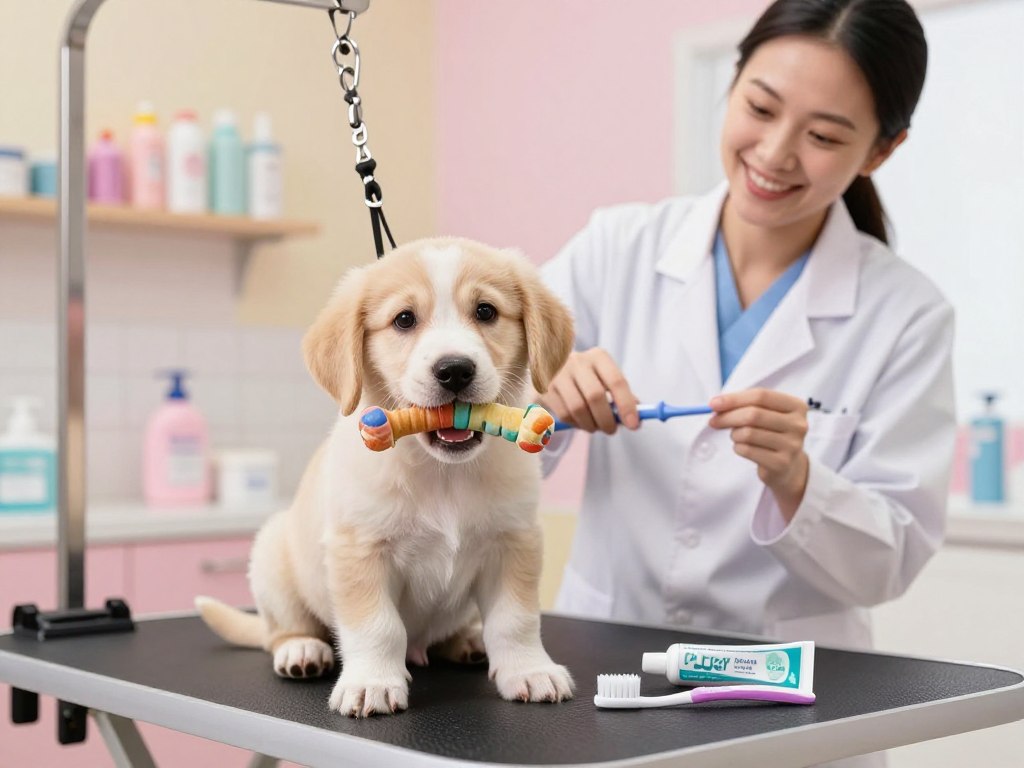
The key to successful brushing is patience and positive reinforcement. Begin by letting your puppy lick a small amount of dog-safe toothpaste off your finger to get them used to the flavor. Once they are comfortable, gently touch their gums and teeth with your finger to build trust.
After a few days, introduce a soft-bristled puppy toothbrush or a finger brush. Always keep sessions short and end with a reward, such as a favorite treat or extra playtime. By making this a stress-free experience, you turn a necessary chore into a bonding moment that supports long-term puppy dental care.
Choosing Safe Dental Chews and Toys
Chewing is a natural behavior that helps puppies explore their world while soothing teething discomfort. Providing the right items can significantly reduce plaque buildup and keep their gums healthy. Look for toys made of durable, non-toxic rubber that are specifically designed for young, developing teeth.
When selecting dental chews, ensure they are appropriate for your puppy’s size and age to prevent choking hazards. Always supervise your pet during chewing sessions to ensure they do not swallow large pieces. These tools are excellent supplements to regular brushing, helping to keep your puppy’s smile bright and their mouth clean throughout their life.
Managing Parasite Prevention and Control
Effective parasite control is the cornerstone of a long and vibrant life for your growing canine companion. Because young dogs have developing immune systems, they are particularly susceptible to various invaders that can hinder their growth and overall well-being.
Proactive care ensures that your puppy stays happy and energetic. By staying consistent with your veterinary schedule, you can stop these health issues before they start.
Internal Parasites: Worms and Protozoa
Internal parasites, such as roundworms, hookworms, and protozoa like Giardia, are common in puppies. These organisms often reside in the digestive tract, stealing essential nutrients and causing discomfort.
Your veterinarian will likely perform regular fecal testing to detect these hidden threats. Early detection is key to preventing long-term damage to your puppy’s digestive health.
“An ounce of prevention is worth a pound of cure when it comes to protecting your pet from the silent threat of intestinal parasites.”
Common signs that your puppy may be dealing with internal parasites include:
- A bloated or “pot-bellied” appearance
- Persistent diarrhea or vomiting
- Visible worms in the stool
- Unexplained weight loss or lack of energy
External Parasites: Fleas, Ticks, and Mites
External parasites live on the skin or in the fur, causing irritation, itching, and the potential for disease transmission. Fleas and ticks are the most frequent offenders, but mites can also cause significant skin issues like mange.
Using veterinarian-approved preventative medications is the most effective way to keep these pests at bay. These treatments come in various forms, including topical drops, oral chews, and specialized collars.
| Parasite Type | Primary Risk | Prevention Method |
|---|---|---|
| Fleas | Skin irritation and tapeworms | Monthly topical or oral meds |
| Ticks | Lyme disease and other infections | Tick-repellent collars or chews |
| Mites | Mange and severe itching | Regular grooming and vet checks |
Always consult with your clinic to determine the best product for your puppy’s specific age and weight. Maintaining a clean living environment and checking your dog after outdoor play will further enhance your parasite prevention strategy.
Recognizing Signs of Illness in Young Dogs
Understanding how to spot illness early is a vital skill for every new dog owner. Puppies are naturally curious and energetic, but they can also be vulnerable to sudden health challenges. By staying observant, you can ensure your pet receives the care they need before a minor issue becomes a major concern.
Common Symptoms That Require Immediate Attention
Certain behaviors and physical changes serve as clear warning signs that your puppy needs professional help. If you notice these symptoms, do not wait to see if they improve on their own. Contact your veterinarian immediately to discuss the situation.
- Persistent vomiting or diarrhea that lasts longer than a few hours.
- Difficulty breathing, wheezing, or persistent coughing.
- Sudden lethargy or an inability to stand and move normally.
- Visible signs of pain, such as whimpering when touched or arching the back.
- Seizures, tremors, or loss of balance.
Monitoring Changes in Appetite and Energy Levels
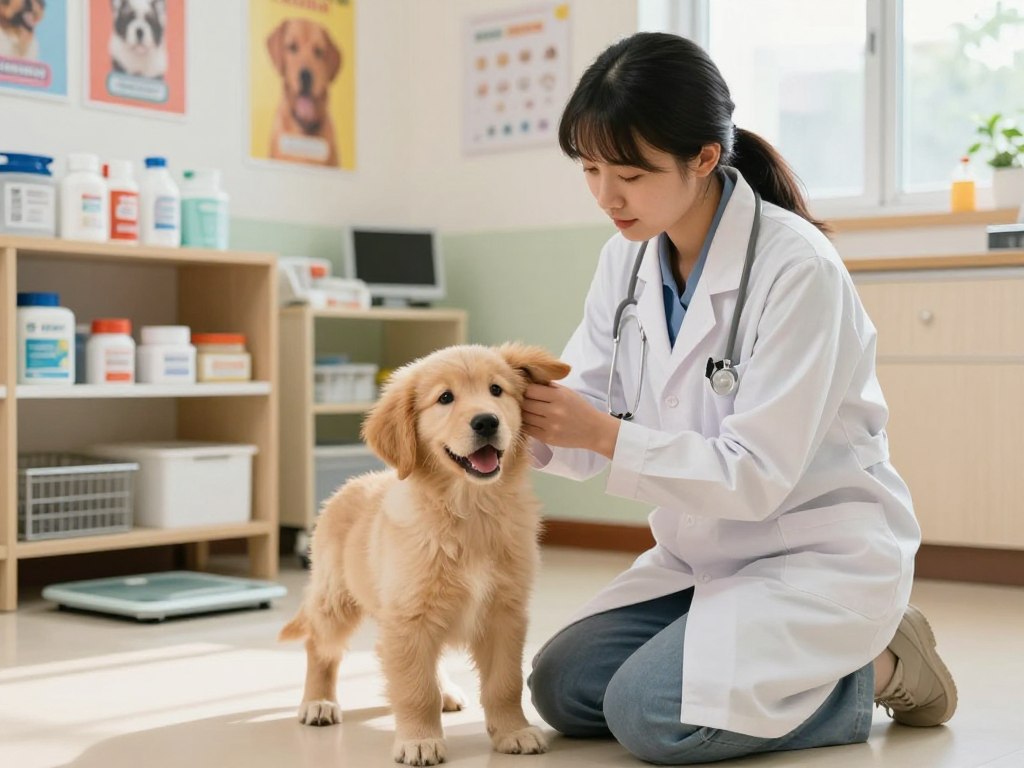
The best way to catch health problems early is to establish a baseline for your puppy’s normal behavior. You should pay close attention to how much they eat and how they play throughout the day. A sudden refusal to eat or a drastic drop in enthusiasm for toys can be an early indicator of underlying illness.
Keep a simple log of your puppy’s daily habits to track any shifts over time. If you notice a consistent decline in their interest in food or a lack of energy that lasts for more than twenty-four hours, it is time to schedule a dog health checkup. Proactive monitoring allows you to provide your vet with accurate information, which helps them reach a faster diagnosis.
Early detection is the cornerstone of pediatric veterinary care. When owners act quickly, they often prevent minor ailments from escalating into complex medical emergencies.
Remember that you know your puppy better than anyone else. If your gut tells you that something is wrong, trust your instincts and seek professional advice. A routine dog health checkup is always better than waiting until a condition becomes severe.
Safe Socialization and Mental Stimulation
Helping your puppy grow into a confident adult starts with how they experience the world today. Socialization is much more than just meeting other dogs at the local park. It involves exposing your pet to various sights, sounds, and surfaces in a controlled, positive manner to build their long-term resilience.
The Critical Window for Socialization
Veterinarians and behaviorists often highlight a critical window for development that typically lasts until a puppy is about 16 weeks old. During this time, your puppy is like a sponge, absorbing information about their environment at an incredible rate. Positive experiences during these early weeks are essential for shaping a balanced and friendly temperament.
You should introduce your puppy to new people, different floor textures, and various household noises like vacuums or doorbells. Always ensure these encounters remain calm and rewarding. If your puppy seems overwhelmed, simply step back and give them space to observe from a distance.
Interactive Toys and Puzzle Feeders
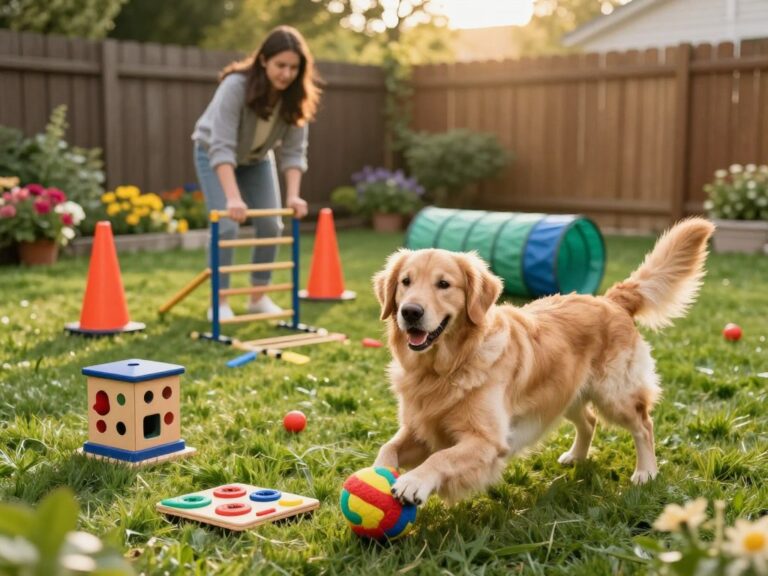
Beyond social exposure, your puppy needs consistent mental exercise to stay happy and healthy. Boredom often leads to unwanted behaviors like chewing furniture or excessive barking. Interactive toys and puzzle feeders are excellent tools to keep your puppy engaged while you are busy.
These items challenge your dog to use their natural problem-solving skills to earn a treat or a meal. By turning feeding time into a game, you provide valuable mental stimulation that tires them out just as effectively as a long walk. Start with simple puzzles and gradually increase the difficulty as your puppy learns the ropes.
Grooming Practices for Long-Term Health
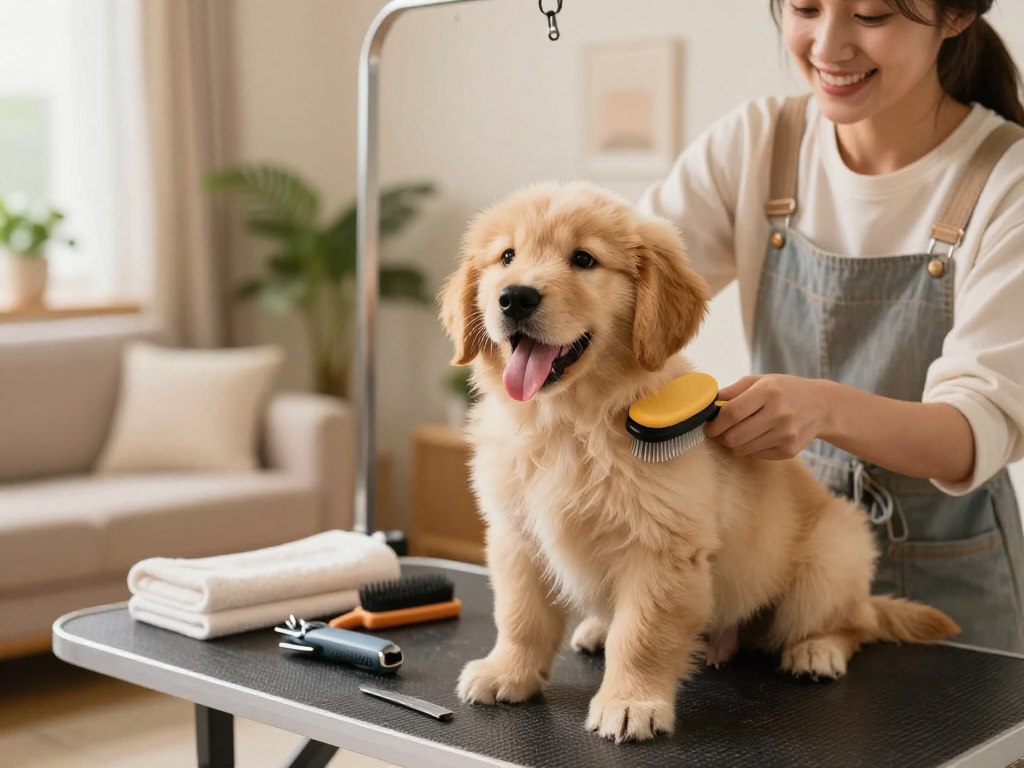
Establishing a consistent grooming routine is one of the most effective ways to monitor your puppy’s physical well-being. These sessions provide a perfect opportunity to bond with your pet while simultaneously checking for any physical abnormalities like lumps, bumps, or skin irritations that might otherwise go unnoticed.
Skin and Coat Maintenance
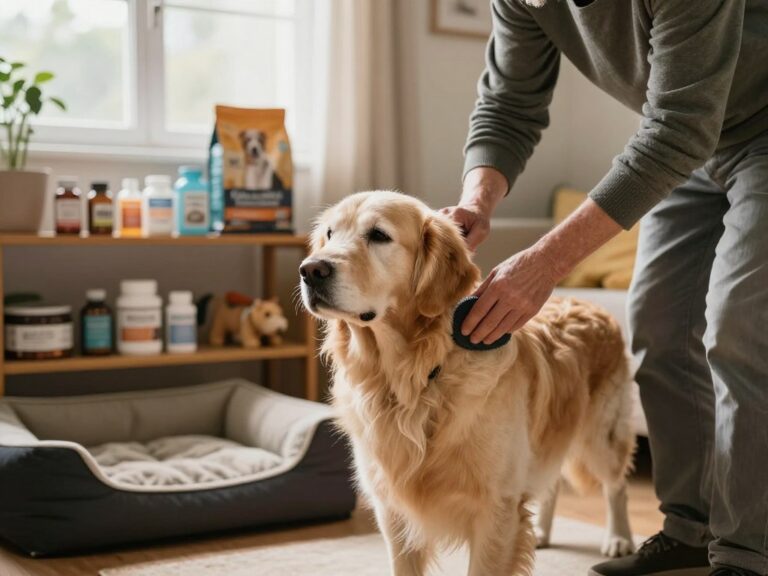
Regular coat maintenance is essential to keep your puppy’s fur healthy and free from painful mats. Depending on your dog’s breed, you should brush them at least a few times a week to remove loose hair and distribute natural oils across their skin.
When brushing, pay close attention to areas prone to tangling, such as behind the ears and under the legs. If you encounter a mat, use a detangling spray or a specialized comb to gently work it out rather than pulling, which can cause discomfort. Consistent brushing not only keeps the coat shiny but also allows you to inspect the skin for signs of fleas, ticks, or dry patches.
“Grooming is not just about aesthetics; it is a diagnostic tool that allows owners to detect health changes early, ensuring a happier life for their pets.”
Nail Trimming and Ear Cleaning Procedures
Proper nail trimming is crucial for your puppy’s comfort and mobility. Overgrown nails can cause pain and lead to structural issues in the paws, so it is best to introduce your puppy to the clippers early in a calm, positive environment.
Similarly, regular ear cleaning helps prevent infections, especially in breeds with floppy ears that trap moisture. Use a vet-approved cleaning solution and a soft cotton ball to wipe the outer ear canal gently. Never insert objects deep into the ear, as this can cause injury to the delicate structures inside.
| Grooming Task | Recommended Frequency | Essential Tool |
|---|---|---|
| Brushing | 2-3 times per week | Slicker brush |
| Nail Trimming | Every 3-4 weeks | Safety clippers |
| Ear Cleaning | Once every two weeks | Cotton balls/Solution |
By staying diligent with these tasks, you ensure your puppy remains comfortable and healthy. Always reward your pet with treats after a grooming session to create a positive association with the process.
Navigating Canine Health Supplements
Even with a perfect puppy nutrition guide, some young dogs require a little boost to thrive. While most commercial diets are formulated to meet all developmental needs, specific life stages or health conditions might call for extra care. Understanding when to introduce canine health supplements is a key part of responsible pet ownership.
When to Consider Joint and Probiotic Support
Large breed puppies often grow at a rapid pace, which can put significant stress on their developing joints. In these cases, your veterinarian might suggest supplements containing glucosamine or chondroitin to support long-term mobility. These additions help maintain healthy cartilage as your dog matures into adulthood.
Digestive health is another area where targeted support can make a big difference. If your puppy experiences frequent tummy troubles or loose stools, a high-quality probiotic may help balance their gut microbiome. Healthy digestion is essential for proper nutrient absorption, ensuring your puppy gets the most out of every meal.
“The goal of any nutritional plan is to provide the body with exactly what it needs to function at its peak, without unnecessary excess.”
Consulting Your Vet Before Adding Supplements
It is vital to consult your veterinarian before starting any new supplement regimen. Even natural products can have unintended effects or interact poorly with other medications your puppy might be taking. Your vet can evaluate your puppy’s specific health profile to determine if a supplement is truly necessary.
Always prioritize professional advice over online trends or anecdotal suggestions. A personalized approach ensures that your puppy receives safe, effective support tailored to their unique growth journey. By working closely with your clinic, you can confidently navigate the world of canine health supplements and keep your companion happy.
Creating a Puppy-Proof Environment
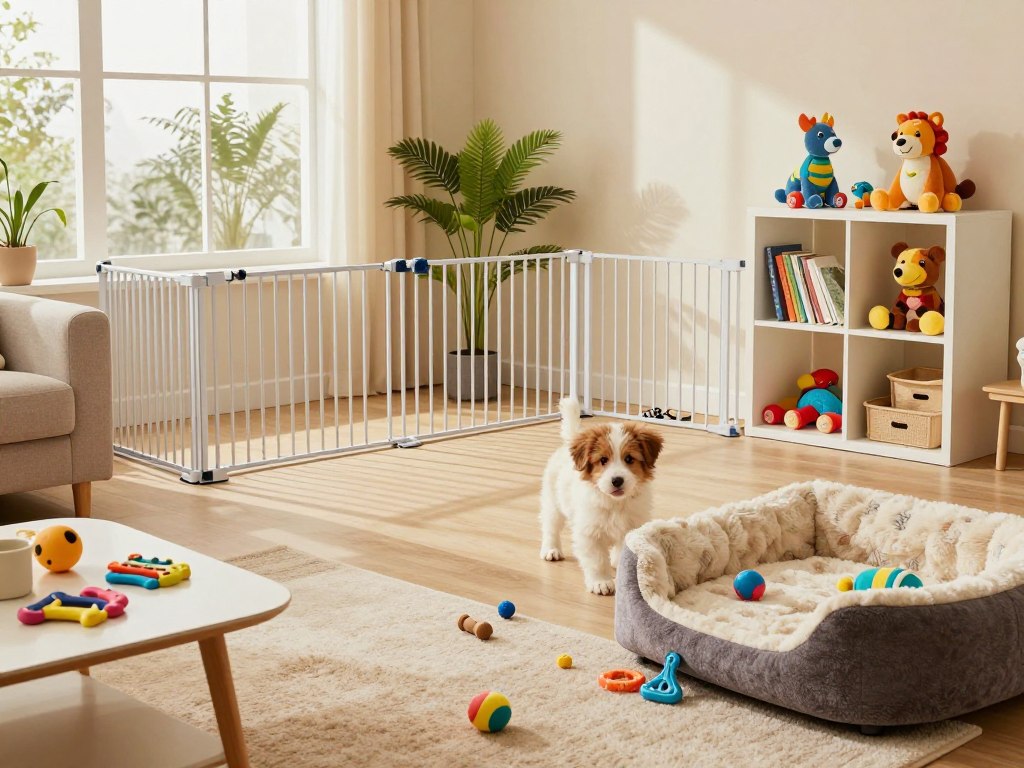
A curious puppy will investigate everything, so puppy-proofing is a vital part of pet ownership. Your home is full of interesting sights and smells that can easily lead a young dog into trouble. By taking proactive steps, you can ensure your living space remains a safe haven for your new companion.
Identifying Household Hazards
Puppies explore the world primarily through their mouths. This natural behavior makes common household items significant risks if left unattended. You should conduct a thorough sweep of every room to spot potential dangers before your puppy has access to them.
Pay close attention to these common hazards:
- Electrical cords: These are tempting to chew and pose a serious risk of electric shock. Use cord covers or hide them behind heavy furniture.
- Small objects: Items like coins, rubber bands, children’s toys, and buttons can cause choking or intestinal blockages.
- Furniture gaps: Puppies can easily get stuck behind or under heavy pieces of furniture. Block these areas off with sturdy barriers.
Securing Toxic Plants and Cleaning Supplies
Many common household items are highly toxic to dogs. Even small amounts of certain substances can lead to emergency veterinary visits. It is essential to store all chemicals and hazardous materials in locked cabinets that your puppy cannot reach.
Keep the following safety tips in mind to protect your pet:
- Check your plants: Many popular houseplants, such as lilies, philodendrons, and sago palms, are poisonous to dogs. Research your current greenery and remove any that pose a threat.
- Store cleaning agents: Keep detergents, bleach, and floor cleaners in high cabinets. Always close the lids tightly after every use.
- Secure the garage: Antifreeze and garden chemicals are extremely dangerous. Ensure these are stored in a locked area where your puppy cannot wander.
Taking these simple precautions creates a secure environment where your puppy can grow and play without unnecessary risks. Consistency is key, so make sure all family members understand the importance of keeping these items out of reach.
Training for Safety and Behavioral Wellness
Training your puppy is more than just teaching tricks; it is a fundamental pillar of their long-term health and emotional stability. Providing clear structure helps your young dog feel secure, which reduces anxiety and promotes better overall wellness. When a puppy understands what is expected of them, they are much more likely to thrive in a home environment.
Positive Reinforcement Techniques
The most effective way to shape your puppy’s behavior is through positive reinforcement. This method focuses on rewarding desired actions rather than punishing mistakes. By using high-value treats, verbal praise, or favorite toys, you create a strong association between good behavior and positive outcomes.
Consistency is key when using these techniques. Always reward your puppy immediately after they perform the correct action so they understand exactly what earned the prize. Over time, this approach builds a deep bond of trust between you and your pet, making them eager to learn and cooperate.
Teaching Essential Safety Commands
Beyond basic manners, teaching specific safety commands can be a life-saving investment. Commands like “come” and “stay” are critical tools that keep your puppy out of harm’s way during unexpected situations. Start these lessons in a quiet, distraction-free area before moving to more challenging environments.
When teaching “come,” always use an enthusiastic tone to make returning to you the most rewarding part of their day. For “stay,” practice by asking your puppy to hold their position for just a few seconds, gradually increasing the duration as they gain confidence. These skills provide a safety net that protects your puppy throughout their life.
| Training Method | Primary Benefit | Best For |
|---|---|---|
| Positive Reinforcement | Builds Trust | All Puppies |
| Clicker Training | Precision Timing | Complex Tricks |
| Safety Command Drills | Emergency Preparedness | Recall & Control |
Preparing for Emergency Veterinary Care
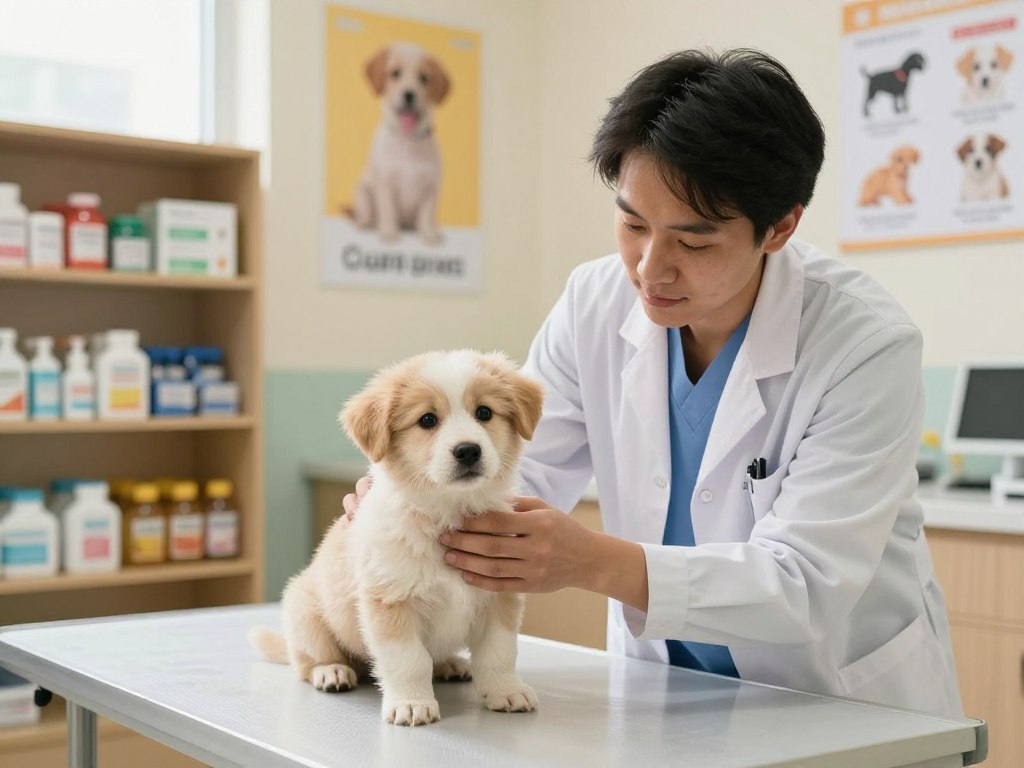
Accidents can happen when you least expect them, making preparation vital for your puppy’s safety. While we hope for the best, having a solid plan is a core component of high-quality veterinary care for puppies. Taking a few simple steps today can save precious time during a stressful moment.
Assembling a Puppy First Aid Kit
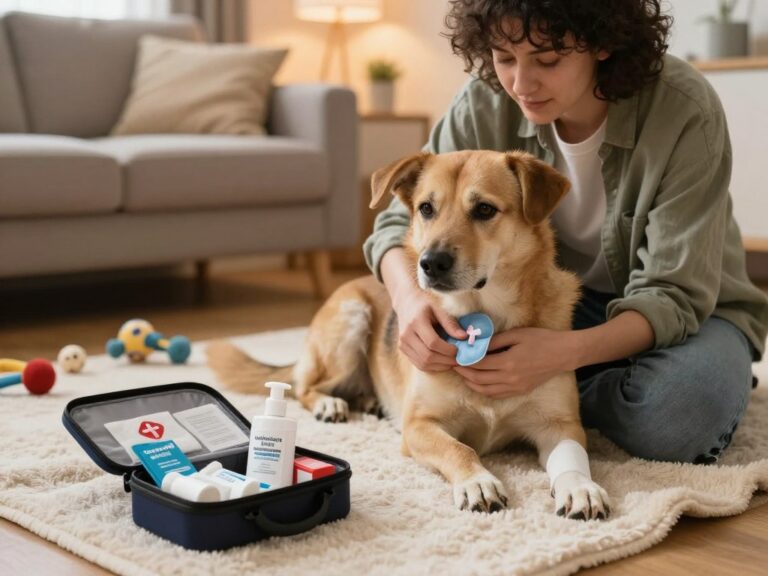
A well-stocked first aid kit allows you to manage minor injuries at home while you determine if a trip to the clinic is necessary. You should keep these supplies in a portable, clearly labeled container that is easy to grab in a hurry.
Consider including the following essential items in your kit:
- Sterile gauze pads and adhesive tape for wrapping minor wounds.
- A digital thermometer to check for fever.
- Hydrogen peroxide (only use if directed by a professional) to induce vomiting.
- Tweezers for removing small splinters or ticks.
- A copy of your pet’s medical records and a list of current medications.
Knowing When to Seek After-Hours Care
Not every health issue can wait until your regular clinic opens the next morning. Recognizing the signs of a true emergency is a critical part of veterinary care for puppies that every owner must master. If you notice sudden changes in behavior, do not hesitate to reach out for help.
You should seek immediate emergency assistance if your puppy displays any of the following symptoms:
- Difficulty breathing or persistent choking.
- Seizures or loss of consciousness.
- Ingestion of known toxins, such as chocolate, grapes, or household cleaners.
- Severe bleeding that does not stop with pressure.
- Inability to urinate or signs of extreme pain.
Always keep the phone number for the nearest 24-hour animal hospital saved in your contacts. Being prepared ensures that you can provide the best possible veterinary care for puppies, even when the unexpected occurs late at night or on a holiday.
Conclusion
Raising a healthy puppy is a rewarding journey that requires patience, consistency, and a commitment to lifelong wellness. Every small choice you make today shapes the future vitality of your furry friend.
You provide your new companion with the best possible start in life by applying the expert tips found in this puppy health blog. Consistent care creates a strong bond that lasts for many years.
Your veterinarian remains your greatest resource throughout this process. Reach out to your local clinic with questions as your puppy grows and changes. Professional guidance ensures you stay on the right path toward optimal health.
Keep exploring new resources to stay informed about the latest veterinary standards. Sharing this puppy health blog with other pet owners helps build a community of informed caregivers. Your dedication makes a world of difference for your dog.
FAQ
When should I schedule the first dog health checkup for my new puppy?
What is the standard pet vaccination schedule for a growing puppy?
How do I choose the right food using a puppy nutrition guide?
What should a safe puppy exercise routine look like?
When should I begin puppy dental care?
Are canine health supplements necessary for my puppy?
How can I protect my puppy from internal and external parasites?
Where can I find more reliable information on puppy health care?