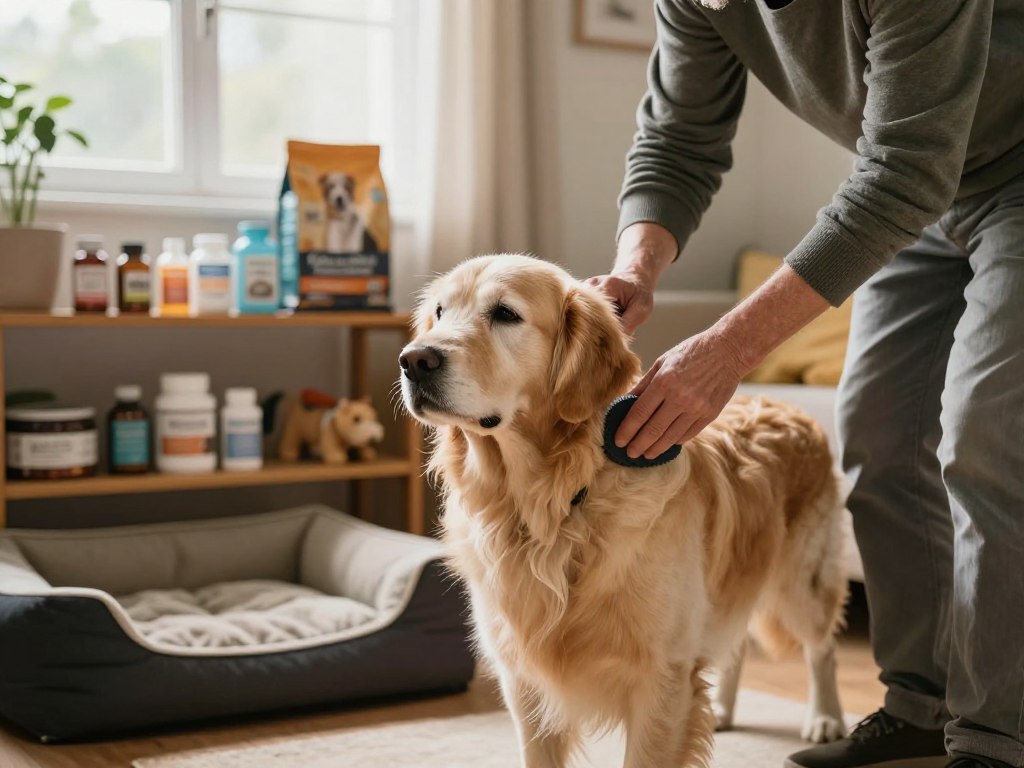
Did you know that nearly half of all households across the United States share their homes with a companion who has reached their golden years? Once a pup hits seven years of age, they officially enter their twilight phase. This transition marks a significant milestone in your journey together.
While watching your best friend grow older is a natural process, it requires proactive adjustments to maintain their happiness. Providing proper Senior Dogs Care ensures your loyal companion remains comfortable and active during this special time. Small changes in their daily routine can make a massive difference in their overall well-being.
By focusing on their evolving physical and emotional needs, you help them thrive. This guide offers the essential tools and insights every owner needs to support their aging friend with confidence and love.
Key Takeaways
- Pets are generally considered to be in their golden years once they reach seven years of age.
- Aging is a natural life stage that benefits from early, proactive health monitoring.
- Adjusting your home environment can significantly improve your pet’s daily comfort.
- Tailored nutrition and gentle exercise are vital for maintaining mobility in older animals.
- Consistent veterinary checkups help manage age-related conditions before they become serious.
Understanding the Aging Process in Dogs
Providing quality elderly dog care starts with recognizing that aging is a natural process affecting every organ system. As your loyal companion enters their golden years, the biological clock begins to shift in subtle but significant ways. Understanding these changes is the first step in ensuring your pet remains comfortable and happy.
Recognizing Signs of Seniority
Every dog experiences the passage of time differently, making it essential for owners to stay observant as their pets mature. While some breeds show signs of aging as early as age seven, others may remain spry well into their double digits. Monitoring activity levels and metabolic shifts is crucial for effective elderly dog care.
You might notice your dog sleeping more frequently or showing less interest in intense play sessions. These behavioral markers often serve as the first indicators that your pet is transitioning into a new life stage. Keeping a close eye on these shifts allows you to adjust your daily interactions accordingly.
Common Age-Related Changes
Aging impacts every organ system, from the heart and kidneys to the joints and digestive tract. These internal changes often manifest as physical symptoms that require proactive elderly dog care strategies. The following table highlights how these signs can vary based on the size of your dog.
| Aging Indicator | Small Breeds | Large Breeds |
|---|---|---|
| Onset of Seniority | 10-12 Years | 6-8 Years |
| Metabolic Rate | Slows Gradually | Slows Significantly |
| Joint Mobility | Mild Stiffness | Noticeable Arthritis |
| Energy Levels | Moderate Decline | Rapid Reduction |
By identifying these markers early, you can better prepare for the evolving needs of your aging pet. Consistent observation remains the most powerful tool in your arsenal for maintaining your dog’s quality of life. Remember that elderly dog care is a dynamic process that evolves alongside your best friend.
Comprehensive Senior Dogs Care Strategies
As your loyal companion enters their golden years, small changes in your home can make a world of difference. Effective Senior Dogs Care involves looking at your living space through the eyes of your aging pet. By making minor adjustments, you can help them navigate their daily life with much greater ease and confidence.
Creating a Supportive Environment
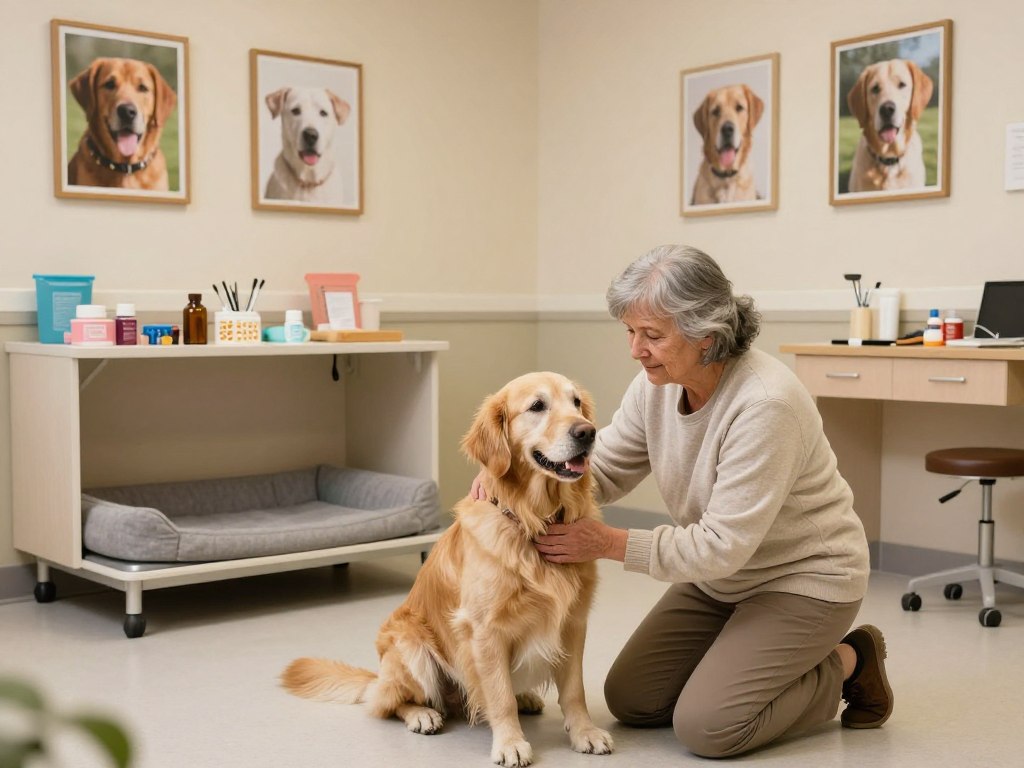
Your dog needs a dedicated space where they feel completely safe and undisturbed. Older pets often struggle with joint pain or stiffness, so providing an orthopedic bed is essential for their physical comfort. Ensure this bed is placed in a warm, draft-free area of the house where they can rest without being startled by household traffic.
Accessibility is another pillar of quality Senior Dogs Care. You should keep essential resources like food, water, and favorite toys on the main floor to prevent unnecessary stair climbing. Consider these simple home modifications to support your pet:
- Use non-slip rugs on hardwood or tile floors to provide better traction.
- Install nightlights in hallways to help dogs with declining vision navigate at night.
- Keep food and water bowls on elevated stands to reduce neck and back strain.
- Create a quiet “retreat” zone where the dog can escape noise and commotion.
Adjusting Daily Routines for Comfort
Consistency is a powerful tool for reducing anxiety in aging animals. When you maintain a predictable daily schedule, your dog knows exactly what to expect, which helps them feel secure. Try to feed, walk, and groom your pet at the same times every day to build a sense of rhythm.
While routine is vital, you must also remain flexible enough to accommodate their changing energy levels. If your dog seems tired or stiff, it is perfectly okay to shorten a walk or swap a high-energy game for a gentle massage. Prioritizing Senior Dogs Care means listening to your pet’s cues and adjusting your expectations to match their current physical capabilities.
Prioritizing Senior Dog Veterinary Care
As your dog enters their golden years, proactive medical care becomes the cornerstone of their well-being. While younger dogs may only need annual check-ups, aging pets require a more vigilant approach to stay ahead of potential health challenges. Consistent monitoring is the best gift you can provide for your loyal companion.
Frequency of Wellness Exams
For most aging pets, a standard yearly visit is no longer sufficient. Veterinarians typically recommend bi-annual exams to track subtle shifts in physical condition. During these visits, your vet will establish a baseline for your pet’s health, making it easier to spot deviations quickly.
Comprehensive diagnostic testing is a vital component of these appointments. You should ensure your dog receives the following evaluations at least once a year:
- Blood chemistry panels to monitor liver and kidney function.
- Urinalysis to detect early signs of metabolic issues or infections.
- Complete blood counts to screen for anemia or inflammation.
Managing Chronic Conditions
Early detection is the most powerful tool in senior dog health. By identifying issues like diabetes, arthritis, or thyroid imbalances in their infancy, you can implement treatment plans that significantly improve your dog’s comfort. Managing these conditions effectively often requires a partnership between you and your veterinary team.
“The goal of geriatric medicine is not just to add years to a dog’s life, but to add life to their years through early intervention and compassionate care.”
Maintaining a structured schedule for medication and follow-up appointments is essential for long-term success. When you prioritize senior dog veterinary care, you are actively participating in your pet’s longevity. Always keep a detailed log of any behavioral changes or physical symptoms to share with your veterinarian during your next visit.
Optimizing Senior Dog Nutrition
As your dog enters their golden years, their nutritional needs shift significantly. Providing the right fuel is essential for keeping your aging companion happy and healthy. Focusing on senior dog nutrition helps ensure your pet maintains their vitality and comfort during this life stage.

Selecting Age-Appropriate Diets
Older dogs often require different nutrient profiles compared to their younger counterparts. You should look for formulas that prioritize easily digestible proteins to support muscle mass without putting extra strain on the kidneys. High-quality fiber is also crucial, as it promotes healthy digestion and keeps your dog feeling full.
Transitioning to a specialized diet can make a world of difference. These formulas are carefully balanced to provide the right amount of vitamins and minerals for an aging body. Always consult your veterinarian before making a permanent switch to ensure the new food meets your dog’s specific health requirements.
Managing Weight and Metabolism
A slower metabolism is a common reality for aging pets. Because they are often less active, senior dogs are prone to unwanted weight gain. Senior dog nutrition plans typically include fewer calories to help prevent obesity, which is vital for protecting aging joints from unnecessary stress.
Maintaining a healthy weight is one of the best ways to extend your dog’s life. Excess pounds can exacerbate chronic conditions like arthritis and heart disease. By monitoring portion sizes and choosing nutrient-dense, lower-calorie options, you can help your pet stay agile and comfortable.
| Nutrient Category | Standard Adult Diet | Senior-Specific Diet |
|---|---|---|
| Caloric Density | Higher for energy | Lower to prevent weight gain |
| Protein Quality | Moderate | High and easily digestible |
| Fiber Content | Standard | Increased for digestive health |
| Joint Supplements | Optional | Often included (Glucosamine/Chondroitin) |
Ultimately, consistent monitoring of your dog’s body condition score is key. If you notice your pet losing muscle or gaining fat, it may be time to adjust their intake. Proper senior dog nutrition remains the most effective tool you have to support your best friend’s long-term wellness.
The Role of Senior Dog Supplements
Providing the right support for your aging companion often involves more than just a standard bowl of kibble. As dogs enter their later years, their bodies require specific nutrients to maintain comfort and vitality. Incorporating senior dog supplements into their daily regimen can bridge the gap between basic nutrition and optimal wellness.
Joint Health and Mobility Support
Stiffness and reduced range of motion are common challenges for older pets. Diets rich in omega-3 fatty acids, such as EPA and DHA, are essential because they help reduce inflammation and support long-term joint health. These fatty acids act as natural lubricants for tired joints, allowing your dog to move with greater ease.
When choosing senior dog supplements for mobility, look for high-quality ingredients that target cartilage repair and pain management. Many owners find success with a combination of the following:
- Glucosamine and Chondroitin: These help maintain healthy cartilage and joint structure.
- Omega-3 Fatty Acids: Crucial for managing systemic inflammation.
- MSM (Methylsulfonylmethane): Often used to support joint flexibility and reduce discomfort.
Cognitive Function Enhancers
Just as the body slows down, the brain also needs extra care to stay sharp. Senior dog supplements formulated with antioxidants can play a vital role in protecting brain cells from oxidative stress. These nutrients help your pet remain alert and engaged with their environment.
Mental clarity is a key component of a happy senior life. By adding supplements that support cognitive function, you are investing in your dog’s ability to navigate their world confidently. These additions work best when paired with a balanced diet, ensuring that your pet receives comprehensive support for both their physical and mental well-being.
Always consult with your veterinarian before starting any new senior dog supplements to ensure they are appropriate for your pet’s specific health history. With the right approach, you can help your loyal friend enjoy their golden years with increased comfort and energy.
Tailoring Senior Dog Exercise
Tailoring physical activity to your dog’s changing needs helps maintain their quality of life. While your pet may not have the same energy levels as a puppy, senior dog exercise remains a critical component of their daily routine. Consistent, gentle movement helps keep muscles toned and joints lubricated, which is essential for long-term comfort.
Low-Impact Physical Activities
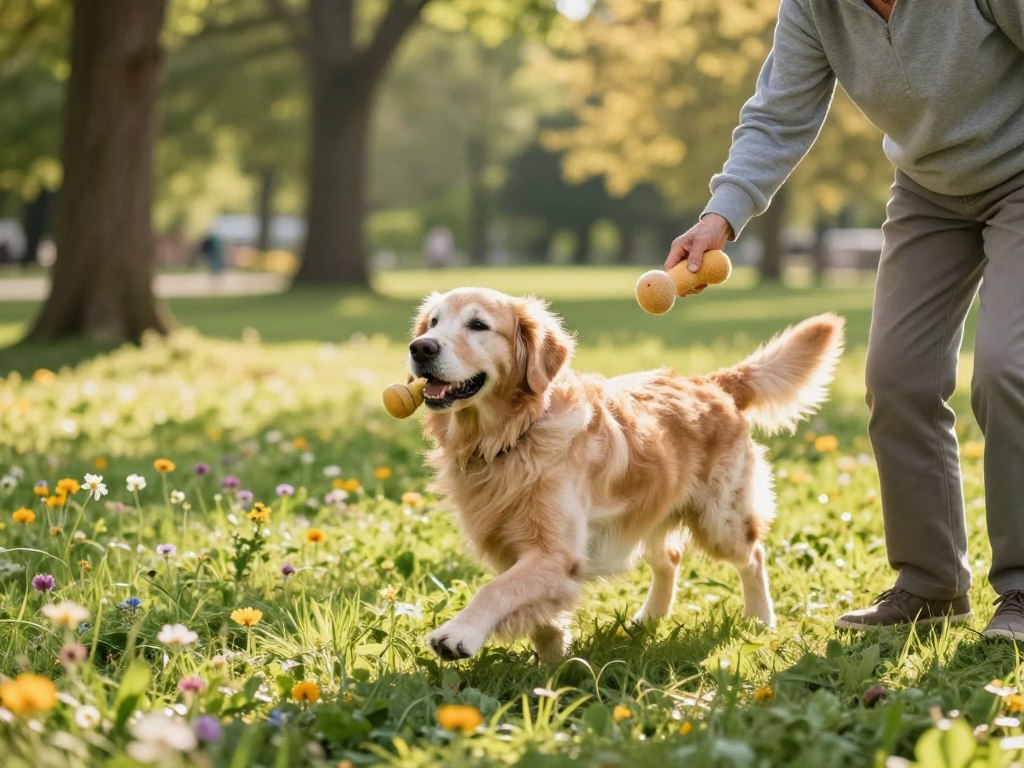
Focusing on low-impact movements is the best way to protect your dog’s aging frame. Instead of long, strenuous hikes, opt for shorter, more frequent walks throughout the day. These brief outings allow your dog to explore their surroundings without becoming overly fatigued or putting unnecessary stress on their hips and knees.
Swimming is another excellent option for a senior dog exercise routine. The buoyancy of the water supports their weight, allowing them to move freely and build strength without the impact of hard surfaces. If swimming is not an option, gentle indoor play sessions with soft toys can also provide enough movement to keep them physically fit.
Mental Stimulation for Aging Brains
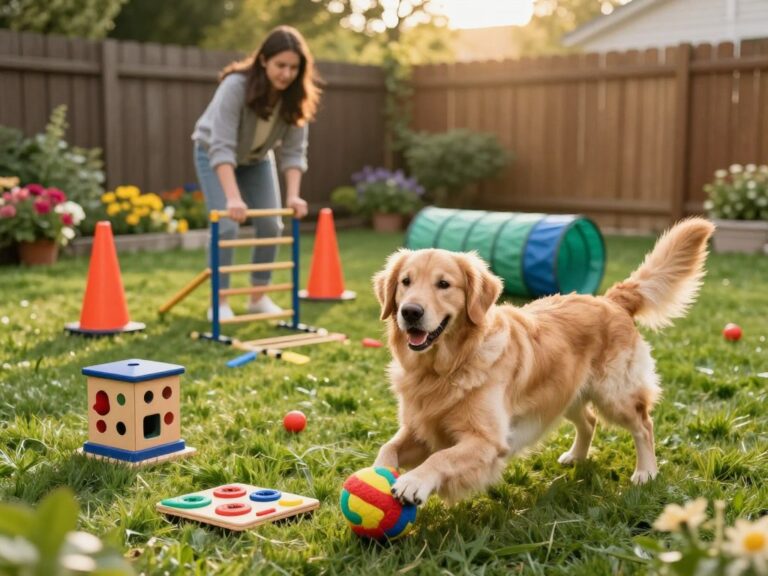
Physical health is only half the battle; keeping the mind sharp is equally important for your aging companion. Cognitive decline can often be slowed by providing consistent mental challenges. You can easily incorporate these into your daily schedule using interactive tools.
Puzzle feeders and scent-based games are fantastic ways to engage your dog’s brain. These activities encourage them to solve problems, which provides a sense of accomplishment and reduces boredom. Mental engagement is a powerful tool that keeps your dog feeling youthful and connected to their environment.
| Activity Type | Primary Benefit | Intensity Level |
|---|---|---|
| Short Walks | Joint Mobility | Low |
| Swimming | Muscle Strength | Very Low |
| Puzzle Feeders | Cognitive Health | Minimal |
| Scent Games | Mental Sharpness | Minimal |
Essential Senior Dog Grooming Practices
As your dog enters their golden years, regular senior dog grooming becomes an essential part of their overall wellness routine. Beyond keeping your pet looking their best, these sessions provide a quiet time to monitor their physical health. By staying consistent, you can catch potential issues before they become serious problems.
Skin and Coat Maintenance
Frequent brushing is the most effective way to manage your dog’s coat as they age. It helps distribute natural oils, which keeps the skin hydrated and healthy. More importantly, brushing allows you to gently inspect your pet for new lumps, bumps, or areas of skin irritation that might otherwise go unnoticed.
You must be diligent about preventing mats, as these tangles can pull on the skin and cause significant pain. Mats often hide underlying infections or sores that require veterinary attention. If you find a stubborn mat, avoid pulling it; instead, use a detangling spray or consult a professional groomer to ensure your dog stays comfortable.
Consider these key benefits of regular grooming sessions:
- Early detection of skin tumors or unusual growths.
- Improved circulation through gentle massage.
- Reduced shedding and cleaner living spaces.
- Stronger emotional bonding between you and your pet.
Nail Care and Mobility
Proper nail care is often overlooked, yet it is critical for a senior dog’s mobility. When nails grow too long, they change the way your dog places their feet on the ground. This can lead to painful joint alignment issues and make it difficult for them to walk on slippery surfaces.
If you hear a clicking sound on the floor, it is time for a trim. Keeping nails short helps your dog maintain better traction and stability during their daily movements. If your dog is anxious about the process, try using a nail grinder or simply trimming small amounts at a time to keep the experience stress-free.
Managing Mobility Issues and Arthritis
Providing a safe and accessible home environment is one of the most loving things you can do for an aging pet. As dogs enter their golden years, their joints often become stiff, making simple movements a daily challenge. By proactively addressing these physical changes, you can help your companion maintain their independence and dignity for as long as possible.
Home Modifications for Accessibility
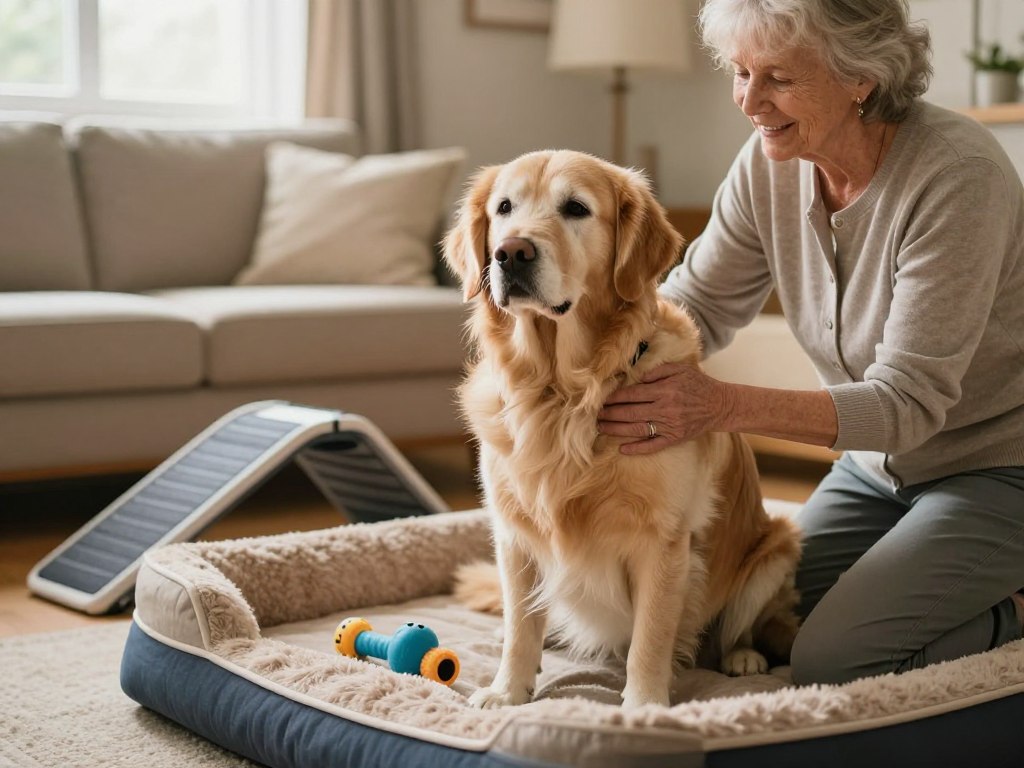
The most common challenge for an aging dog is navigating smooth, slippery floors like hardwood or tile. These surfaces offer little traction, which can lead to painful slips or even serious injuries. Placing rugs or non-slip mats in high-traffic areas provides the necessary grip for your dog to walk with confidence.
Beyond flooring, consider the layout of your home to minimize physical strain. You might want to move food and water bowls to a more accessible location to prevent unnecessary walking. Small changes, such as using baby gates to block off steep staircases, can also prevent accidents while keeping your pet safe in the areas where they spend the most time.
“The goal is to create an environment where your dog feels secure and capable, reducing the frustration that often comes with physical decline.”
Assistive Devices and Orthopedics
When simple home adjustments are not enough, specialized equipment can provide the extra support your dog needs. Orthopedic beds are essential for dogs with arthritis, as they provide superior cushioning to relieve pressure on aching joints. These beds help ensure your pet gets the restorative sleep required to manage chronic pain.
For dogs that struggle with stairs or getting into vehicles, ramps are a game-changer. They eliminate the need for jumping, which is often the primary cause of joint flare-ups. Here are a few key tools to consider for your senior dog:
- Orthopedic memory foam beds to support tired joints.
- Portable ramps for easy access to cars or elevated furniture.
- Supportive harnesses with handles to help you assist your dog during walks.
- Non-slip booties to provide extra traction on slick surfaces.
Investing in these tools can significantly improve your dog’s quality of life. By reducing the physical effort required for daily tasks, you allow your pet to focus their energy on what matters most: spending quality time with you.
Addressing Cognitive Dysfunction Syndrome
As dogs enter their golden years, they may experience changes in their mental clarity and awareness. These shifts are often linked to Canine Cognitive Dysfunction (CCD), a condition that affects how aging pets process information. Prioritizing senior dog health means staying vigilant about these subtle mental transitions.
It is vital to consult your veterinarian if you notice your pet acting differently. Many symptoms of cognitive decline can mimic other medical issues, such as pain or hormonal imbalances. A professional exam ensures that your dog receives the correct support for their specific needs.
Identifying Behavioral Changes
You might notice your dog seems confused in familiar spaces or stares blankly at walls. Some pets begin to pace restlessly at night, which disrupts their natural sleep-wake cycle. These behavioral shifts are common indicators that your companion is struggling with memory or perception.
Another sign involves changes in social interaction. Your dog may seem less interested in play or appear anxious when left alone. Maintaining a focus on senior dog health allows you to catch these signs early and provide the necessary comfort.
Environmental Enrichment Techniques
Creating a predictable environment is one of the best ways to manage cognitive decline. Dogs with CCD often feel safer when their daily routines remain consistent. Try to keep feeding times, walks, and bedtime rituals as stable as possible to reduce unnecessary stress.
Sensory stimulation also plays a key role in supporting an aging brain. Gentle play, soft music, or providing safe, interactive puzzles can keep your pet engaged without causing overstimulation. By fostering a calm and structured home, you significantly improve the quality of life for your aging friend. Consistent care is the cornerstone of long-term senior dog health.
Dental Health for Elderly Dogs
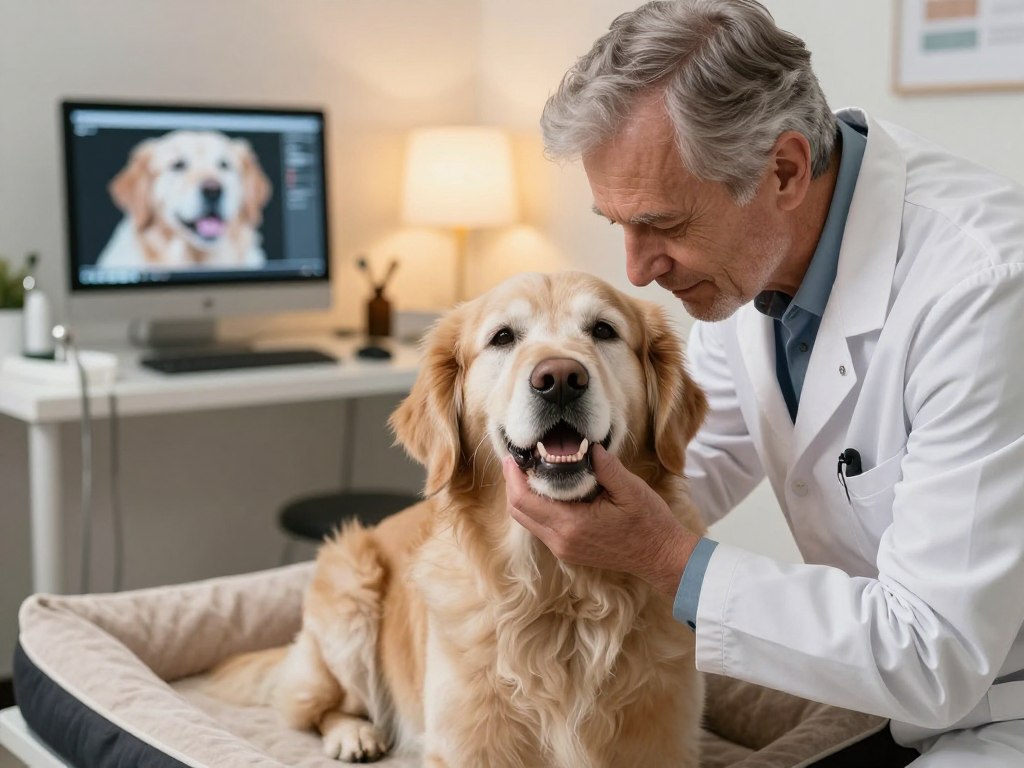
Maintaining a healthy mouth is one of the most overlooked aspects of elderly dog care. While many owners focus on mobility or diet, oral hygiene plays a massive role in your pet’s systemic health. Bacteria from the mouth can enter the bloodstream, potentially affecting the heart, kidneys, and liver.
Preventing Periodontal Disease
Periodontal disease is common in aging pets and often progresses silently until it causes significant pain. You should watch for signs like persistent foul breath or excessive drooling. If these symptoms last longer than two days, you must seek senior dog veterinary care to prevent further complications.
Regular oral exams are essential for catching issues before they become severe. A professional cleaning under anesthesia is often the safest way to address deep-seated tartar. Your veterinarian can assess the health of the gums and tooth roots, which are often hidden from view.
Safe Cleaning Methods at Home
You can support your dog’s oral health between vet visits by using pet-safe toothpaste and a soft-bristled brush. Never use human toothpaste, as it contains ingredients like xylitol that are toxic to dogs. If your dog resists brushing, consider using dental wipes or veterinarian-approved water additives.
Observe your dog closely for signs of dental pain, such as dropping food or favoring one side while chewing. These behaviors indicate that a professional evaluation is needed immediately. Consistent home care is a vital component of senior dog veterinary care and ensures your pet remains comfortable during their golden years.
| Dental Tool | Primary Benefit | Frequency |
|---|---|---|
| Soft Toothbrush | Removes plaque buildup | Daily |
| Dental Chews | Reduces tartar mechanically | 3-4 times weekly |
| Water Additives | Freshens breath | Daily |
| Oral Wipes | Cleans gum lines | As needed |
Managing Sensory Decline
You can help your aging pet maintain their confidence by adapting your home and communication style to their changing needs. As dogs enter their golden years, natural declines in vision and hearing often occur, which can make daily navigation feel overwhelming. By making small, thoughtful adjustments, you ensure your companion continues to feel safe and secure in their environment.
Adapting to Vision Loss
When a dog begins to lose their sight, they rely heavily on their memory of the home layout. It is essential to keep furniture in consistent locations to prevent accidents and confusion. You might also use area rugs to create tactile pathways, helping your dog identify different rooms through the texture under their paws.
Be mindful that sudden changes in behavior, such as increased water consumption or frequent urination, can sometimes indicate underlying health issues like diabetes or kidney disease. These conditions can exacerbate sensory problems, so always consult your veterinarian if you notice these symptoms. Keeping the home environment predictable remains the best way to support a dog with limited vision.
Communicating with Hearing-Impaired Dogs
If your dog is losing their hearing, you must shift your communication style to rely on visual cues. Hand signals are highly effective for basic commands like “sit,” “stay,” or “come.” You can also use a gentle vibration on the floor or a light touch on their shoulder to get their attention before you approach them.
Consistency is the key to success when training or interacting with a hearing-impaired pet. Using a flashlight to signal it is time for a walk or a meal can also provide a helpful visual prompt. These simple methods allow you to maintain a strong bond while reducing your dog’s anxiety.
| Sensory Challenge | Primary Adaptation | Benefit to Dog |
|---|---|---|
| Vision Loss | Maintain layout | Prevents collisions |
| Hearing Loss | Hand signals | Clear communication |
| General Decline | Routine stability | Reduces stress |
Emotional Well-being and Quality of Life
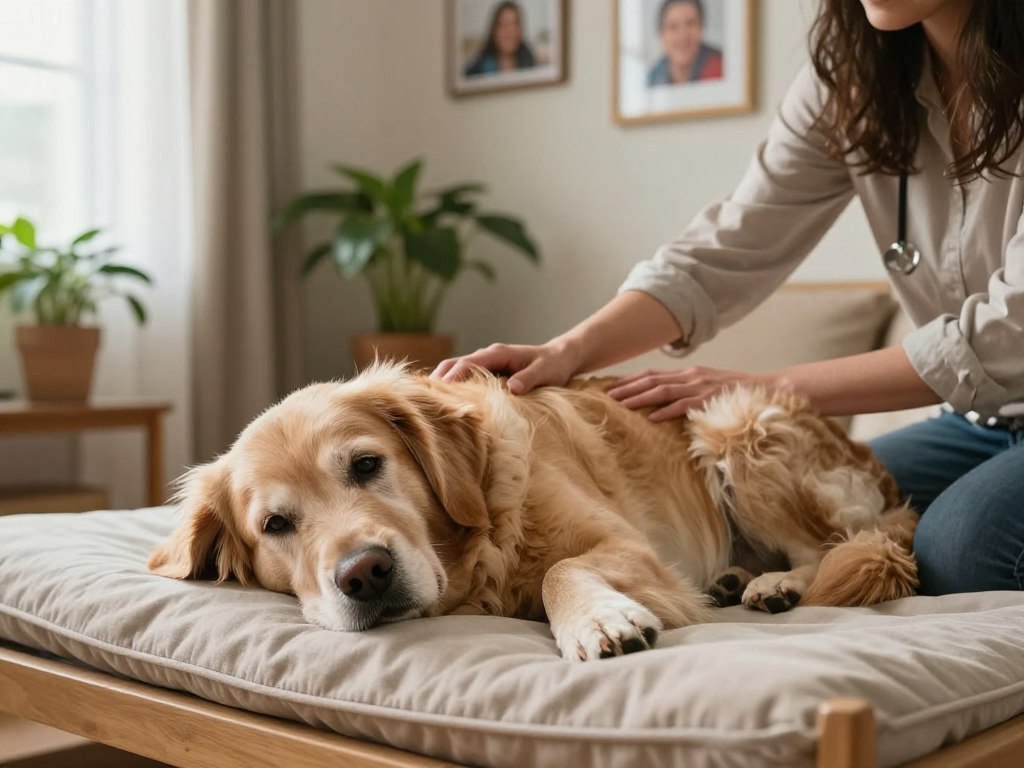
Providing high-quality elderly dog care involves tuning into the subtle emotional shifts of your pet. While physical health is often the primary focus, the mental and emotional state of your companion is equally important for a happy life.
Monitoring Happiness and Comfort
You know your dog better than anyone else. Small changes in their daily behavior can often serve as the first indicators that something is wrong. If your pet seems less playful, withdraws from social interaction, or experiences unexplained weight loss, these may be signs of an underlying medical issue.
It is essential to track these changes carefully. Consistent observation allows you to distinguish between normal slowing down and symptoms that require professional intervention. Remember that elderly dog care is a partnership between you and your veterinarian to ensure your pet remains comfortable.
When to Consult Your Vet About End-of-Life Care
Deciding when to discuss end-of-life options is perhaps the most difficult part of being a pet owner. When your dog’s quality of life declines to a point where they no longer enjoy their favorite activities, it is time to have an honest conversation with your vet.
Your veterinarian can provide guidance on palliative care and pain management strategies. These options can often provide comfort and dignity during your dog’s final stages. Approaching elderly dog care with compassion means prioritizing their peace and well-being above all else.
Do not hesitate to ask your medical team about quality-of-life scales. These tools help you objectively assess your dog’s daily comfort levels. Making these decisions is an act of love that ensures your loyal friend feels supported until the very end.
Financial Planning for Senior Pet Care
Preparing for the costs associated with senior dog health requires a proactive and thoughtful approach. As your loyal companion ages, their medical requirements often become more complex and frequent. Taking control of your finances now allows you to focus entirely on your pet’s comfort rather than the stress of unexpected bills.
Pet Insurance Considerations
Many owners find that pet insurance provides a vital safety net during their dog’s later years. While some policies exclude pre-existing conditions, finding a plan that covers chronic issues can be a game-changer for your budget. It is wise to review your current policy or research new options before your dog develops age-related ailments.
“The best time to plan for your pet’s future is today, ensuring that quality care is never compromised by financial constraints.”
When evaluating insurance, look for plans that offer comprehensive coverage for diagnostic testing and long-term medications. These are often the most significant expenses related to senior dog health. Always read the fine print regarding age limits and annual deductibles to ensure the coverage aligns with your long-term goals.
Budgeting for Long-Term Medical Needs
Creating a dedicated savings fund is an excellent way to manage the predictable costs of aging. By researching the common health risks associated with your dog’s specific breed, you can estimate potential future expenses more accurately. This financial foresight helps you prepare for routine screenings, dental cleanings, and mobility support.
Consider setting aside a small, consistent amount each month into a high-yield savings account. This strategy ensures that you have liquid assets available when your veterinarian recommends specialized treatments or supplements. Prioritizing senior dog health through careful budgeting empowers you to provide the best possible quality of life for your aging friend.
Conclusion
Your commitment to Senior Dogs Care creates a profound impact on the daily comfort of your pet. Every small adjustment you make helps your loyal friend navigate their golden years with dignity and ease.
Focusing on high-quality Senior dog nutrition remains a vital step in supporting their changing metabolism. Providing the right fuel helps maintain muscle mass and keeps their energy levels steady throughout the day.
Consistency in your routine builds a sense of security for an aging animal. Small changes in your home environment often lead to significant improvements in their overall quality of life.
Engage with your veterinarian to create a proactive health plan that evolves as your dog ages. These partnerships ensure that you catch potential issues early while keeping your pet comfortable.
Cherish the quiet moments you share with your companion during this special stage of life. Your patience and love provide the greatest comfort as they move through their senior years.
Share your experiences with other pet owners in your community to help spread awareness about these essential care practices. Your dedication makes a world of difference for your best friend.
FAQ
At what age should I start focusing on senior dog nutrition?
How often is senior dog veterinary care necessary?
Are senior dog supplements safe to use with prescription medications?
What are the best low-impact options for senior dog exercise?
Why is senior dog grooming important for more than just a clean coat?
How can I tell if my pet is experiencing cognitive decline?
Is it too late to get pet insurance for elderly dog care?
How can I modify my home to help with my dog’s mobility issues?