
Did you know that nearly 60% of American households now include at least one furry companion? While these animals bring immense joy, understanding common dog health problems is vital for every owner. Being proactive allows you to spot issues before they turn into expensive medical emergencies.
Many popular dog sicknesses start with subtle changes in behavior or appetite. By learning to recognize these early warning signs, you take control of your pet’s wellness journey. Our guide offers friendly, actionable advice to help you provide the best care possible for your loyal friend.
Key Takeaways
- Early detection is the best way to prevent serious medical crises.
- Watch for subtle shifts in your pet’s daily energy levels.
- Consistent monitoring helps maintain a long and happy life.
- Proactive care saves you time and reduces veterinary stress.
- Simple lifestyle adjustments often prevent many minor ailments.
Understanding the Landscape of Common Dog Health Problems
Modern veterinary science provides us with a clear roadmap to better understand the health of our canine companions. In 2021, the Royal Veterinary College and The Kennel Club conducted a massive study by analyzing the records of over 22,000 dogs. This research helps us pinpoint the most frequent common dog health problems that affect our pets throughout their lives.
By looking at large datasets, experts can identify trends in popular dog sicknesses that owners should watch for. Understanding these patterns allows you to move from a reactive mindset to a more prepared approach. Knowledge is truly the best tool for any dedicated pet parent.
The Importance of Proactive Veterinary Care
Proactive care serves as the cornerstone of responsible dog ownership in the United States. Rather than waiting for symptoms to appear, regular wellness exams allow your veterinarian to catch issues before they become serious. Early detection often leads to simpler, more effective treatment plans for your furry friend.
Consistent check-ups help monitor changes in weight, dental health, and organ function over time. This ongoing assessment is vital for managing common dog health problems before they impact your dog’s quality of life. Staying ahead of the curve ensures your pet remains happy and active for years to come.
Building a Relationship with Your Local Veterinarian
Building a strong, long-term relationship with your local veterinarian ensures you have a trusted partner for all your pet health concerns. Your vet is not just a doctor; they are a valuable resource for guidance on nutrition, behavior, and preventative medicine. Open communication helps them understand your dog’s unique history and lifestyle.
When you visit the clinic regularly, your vet becomes familiar with your dog’s baseline health. This familiarity makes it much easier to spot subtle signs of popular dog sicknesses that might otherwise go unnoticed. A collaborative partnership between you and your veterinary team is the best way to provide the highest standard of care.
Recognizing Early Warning Signs of Canine Illness
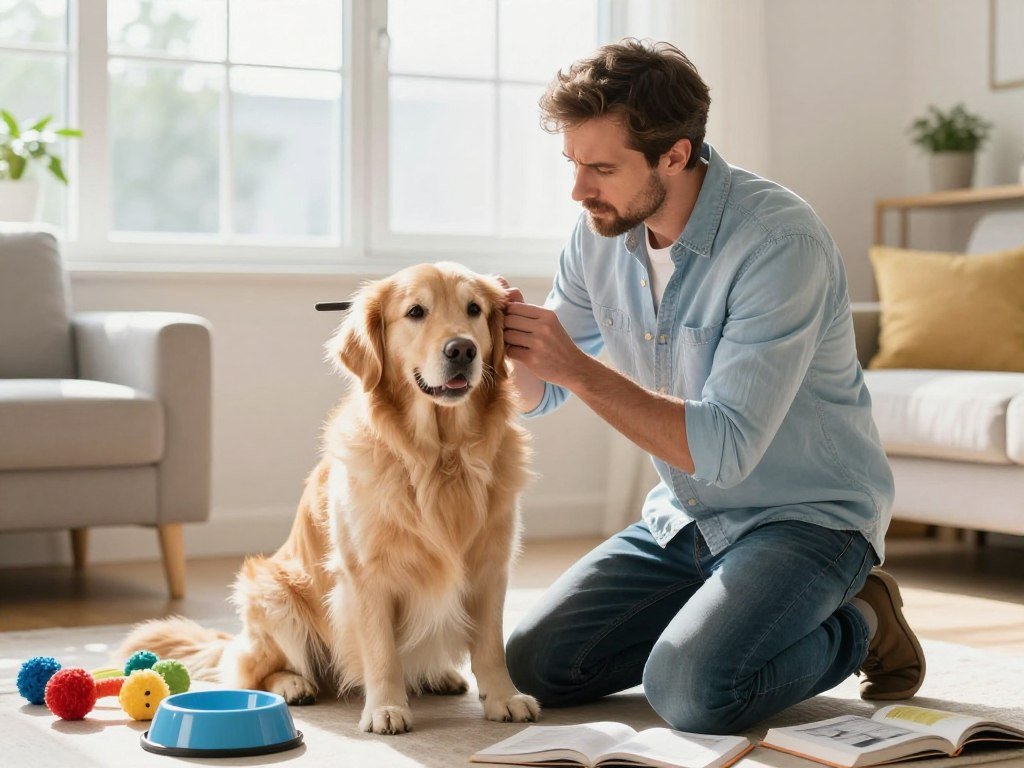
Recognizing the subtle shifts in your pet’s behavior is the most effective way to manage common dog health problems. You know your dog better than anyone else, making you the first line of defense in their healthcare journey. By staying vigilant, you can identify issues long before they become serious medical emergencies.
Changes in Appetite and Thirst
One of the most reliable indicators of your dog’s internal health is their relationship with food and water. A sudden loss of interest in meals or a dramatic increase in thirst can signal underlying issues like diabetes or kidney dysfunction. Always pay close attention to how much your dog consumes during their daily routine.
If you notice your dog leaving food in their bowl or drinking significantly more water than usual, do not ignore these signs. These changes are often the first clues that something is amiss. Keeping a simple log of their eating habits can provide your veterinarian with valuable information during your next visit.
Monitoring Energy Levels and Behavioral Shifts
Beyond physical intake, your dog’s activity level serves as a window into their overall well-being. A dog that suddenly becomes lethargic or avoids play may be suffering from pain or discomfort. Even popular dog sicknesses often manifest as a simple lack of interest in favorite toys or walks.
Modern technology now makes it easier than ever to track these subtle changes. For instance, the PetPace smart collar is a vet-developed tool that continuously monitors vital signs like temperature, pulse, and respiratory rate. This data allows you to detect early illness by spotting trends that the human eye might miss.
By combining your own daily observations with advanced monitoring tools, you can ensure your dog receives care exactly when they need it. Being a proactive observer is truly the greatest gift you can give your companion. Consistent monitoring helps you stay ahead of potential health risks and keeps your pet feeling their best.
Managing Skin Allergies and Dermatological Issues
Watching your dog suffer from constant itching can be heartbreaking for any pet parent. Skin conditions are among the most frequent complaints that bring owners to the clinic, often serving as a primary indicator of various dog illnesses. Identifying the root cause is the first step toward restoring your pet’s comfort.
Common Environmental and Food Allergens
Many prevalent canine illnesses stem from sensitivities to the world around us. Environmental triggers like pollen, mold, dust mites, and even certain types of grass can cause intense inflammation and redness. When your dog walks through a field or rolls in the grass, these microscopic particles often cling to their fur and skin.
Food sensitivities also play a significant role in dermatological distress. While many owners assume their pet has an environmental allergy, a reaction to specific proteins in their diet is often the culprit. Elimination diets are frequently used by veterinarians to pinpoint exactly which ingredient is causing the persistent scratching and discomfort.
Effective Soothing Treatments and Topical Solutions
Providing immediate relief is essential for managing prevalent canine illnesses that affect the skin. Medicated shampoos containing oatmeal or aloe vera can help calm inflamed areas and reduce the urge to scratch. These topical solutions work best when used consistently as part of a regular grooming routine.
For localized hotspots, your veterinarian might suggest specialized balms or sprays that create a protective barrier. It is important to remember that these treatments address the symptoms of dog illnesses rather than the underlying cause. Always consult with your local professional to ensure the chosen remedy is safe and effective for your specific breed and skin type.
Addressing Ear Infections and Proper Cleaning Techniques
Many prevalent canine illnesses involve the ears, especially in breeds with long, floppy flaps. These physical traits often trap moisture and heat, creating a perfect environment for bacteria to thrive. Recognizing these issues early is essential for maintaining your pet’s comfort and preventing more serious dog illnesses.
Identifying Symptoms of Otitis Externa
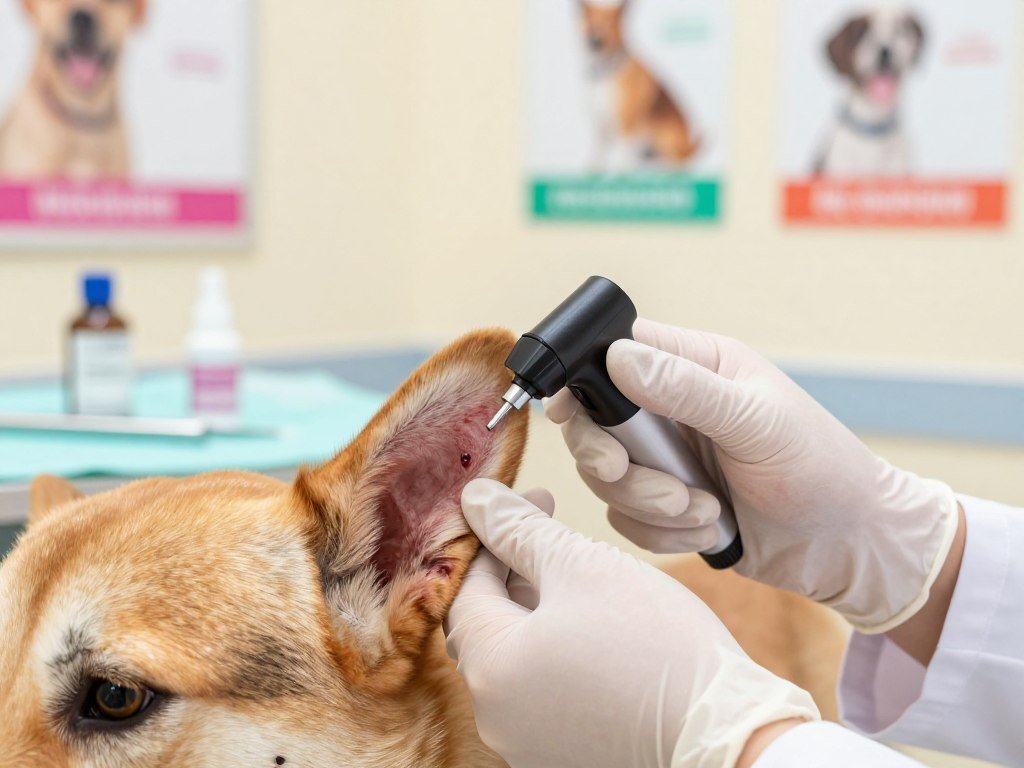
Otitis externa is a common condition that causes significant pain for many dogs. You should watch for frequent head shaking or scratching at the ears, which are often the first signs of trouble. An unpleasant odor or visible discharge inside the ear canal also indicates that an infection may be present.
If your dog seems sensitive when you touch their head or ears, they are likely experiencing inflammation. Prompt attention to these symptoms can prevent the infection from spreading deeper into the ear canal. Always consult your veterinarian if you notice these red flags to ensure your dog receives the correct treatment.
Routine Cleaning Practices to Prevent Recurrence
Consistency is the key to keeping your dog’s ears healthy and free from irritation. You should perform regular checks to ensure the ears remain clean and dry, especially after swimming or bathing. Using a vet-approved ear cleaning solution helps remove debris and excess wax before it leads to further dog illnesses.
When cleaning, gently wipe the outer ear flap with a soft cloth or cotton ball. Avoid inserting objects deep into the canal, as this can cause injury or push debris further inside. By incorporating these simple habits into your grooming routine, you help manage prevalent canine illnesses and keep your companion happy and pain-free.
Navigating Gastrointestinal Distress and Digestive Health
From mild tummy aches to more serious concerns, digestive health is a key pillar of canine wellness. While occasional stomach upset is common, it is important to recognize when these issues signal broader dog illnesses that require your attention.
Causes of Vomiting and Diarrhea
Digestive problems often stem from simple dietary indiscretions, such as eating something they shouldn’t have found in the yard. However, food allergies or underlying infections can also trigger these symptoms, making them some of the most prevalent canine illnesses encountered by owners.
When your pet experiences sudden vomiting or diarrhea, it is often the body’s way of clearing out an irritant. Identifying the root cause is essential to providing the right care and ensuring your dog returns to their happy, energetic self.
Dietary Adjustments and When to See a Vet
If your dog is otherwise acting normal, a temporary bland diet can often help soothe a sensitive stomach. You might offer small portions of boiled chicken and white rice to help their system recover gently.
However, you must remain vigilant for signs that indicate more serious dog illnesses. If the vomiting persists, or if you notice blood or extreme lethargy, you should contact your veterinarian immediately.
Managing these prevalent canine illnesses requires a balance of home care and professional judgment. Always prioritize your pet’s comfort and reach out to a professional if symptoms do not improve within twenty-four hours.
Identifying Symptoms of Canine Arthritis and Joint Pain
Arthritis remains one of the most common canine health issues that impacts mobility in senior pets. This condition is often most severe in older, larger breeds, leading to chronic pain that can diminish their quality of life. Recognizing these changes early is vital for ensuring your companion stays happy and mobile for as long as possible.

Signs of Mobility Issues in Aging Dogs
You might notice your dog hesitating before jumping onto the couch or struggling to climb stairs. Stiffness after a long nap is another classic indicator that their joints are feeling the strain of age. Reduced enthusiasm for walks or a noticeable limp can also signal that your pet is experiencing significant discomfort.
Pay close attention to how your dog carries themselves during daily activities. If they seem reluctant to play or appear to have trouble finding a comfortable position to sleep, these are clear red flags. Addressing these canine health issues promptly helps prevent further degradation of their joint health.
Supplements and Lifestyle Modifications for Comfort
Providing the right support can make a world of difference for a dog struggling with chronic joint discomfort. Many veterinarians recommend supplements containing glucosamine, chondroitin, and omega-3 fatty acids to help lubricate joints and reduce inflammation. These additions to their diet can significantly improve their daily movement.
Lifestyle adjustments are equally important for managing these canine health issues effectively. Consider providing orthopedic bedding to cushion their joints and using ramps to help them navigate stairs or vehicles. Keeping your dog at a healthy weight also reduces the physical load on their joints, ensuring they remain comfortable and active in their golden years.
Dealing with Dental Disease and Oral Hygiene
Dental disease remains one of the most common yet preventable canine health issues facing pets today. While many owners focus on diet and exercise, the mouth is often the gateway to systemic health. Neglecting oral care can lead to painful conditions that affect your dog’s quality of life.
The Progression of Periodontal Disease
The process usually begins with plaque, a sticky film of bacteria that clings to the teeth. If this film is not removed through daily cleaning, it hardens into tartar within just a few days. Tartar is extremely difficult to remove and acts as a breeding ground for further infection.
As bacteria accumulate, they cause inflammation of the gums, known as gingivitis. If left untreated, this infection spreads below the gum line, destroying the tissues that hold the teeth in place. This advanced stage of canine health issues can lead to tooth loss and even damage to vital organs like the heart and kidneys.
Home Care Strategies and Professional Cleanings
You can significantly improve your dog’s oral hygiene by establishing a consistent home routine. Brushing your dog’s teeth with pet-safe toothpaste is the gold standard for removing plaque. If your dog resists brushing, consider using dental chews or water additives designed to reduce bacterial buildup.
Even with diligent home care, professional veterinary cleanings are essential. A veterinarian can reach areas under the gum line that you cannot access at home. These cleanings often involve:
- A thorough oral examination under anesthesia.
- Scaling to remove hardened tartar from all tooth surfaces.
- Polishing to smooth the enamel and prevent future plaque adhesion.
- Dental X-rays to identify hidden problems like root abscesses.
| Stage | Symptoms | Recommended Action |
|---|---|---|
| Gingivitis | Red, swollen gums | Daily brushing |
| Early Periodontitis | Bad breath, tartar | Professional cleaning |
| Advanced Disease | Loose teeth, pain | Surgical intervention |
By staying proactive, you protect your pet from unnecessary pain and long-term canine health issues. Regular checkups ensure that your dog maintains a healthy, happy smile for years to come.
Managing Obesity and Weight-Related Health Risks
Obesity has become a silent epidemic among our pets, impacting nearly half of the canine population today. Statistics suggest that between 30% and 60% of dogs currently struggle with excess weight. This condition is a significant factor in many canine health issues, often leading to secondary problems like diabetes and severe joint strain.
Maintaining a healthy weight is one of the most important things an owner can do to extend their dog’s life. By taking proactive steps, you can help your pet avoid the physical limitations that come with carrying extra pounds. Consistency is the key to success when helping your companion reach their ideal physical state.
Calculating Ideal Body Condition Scores
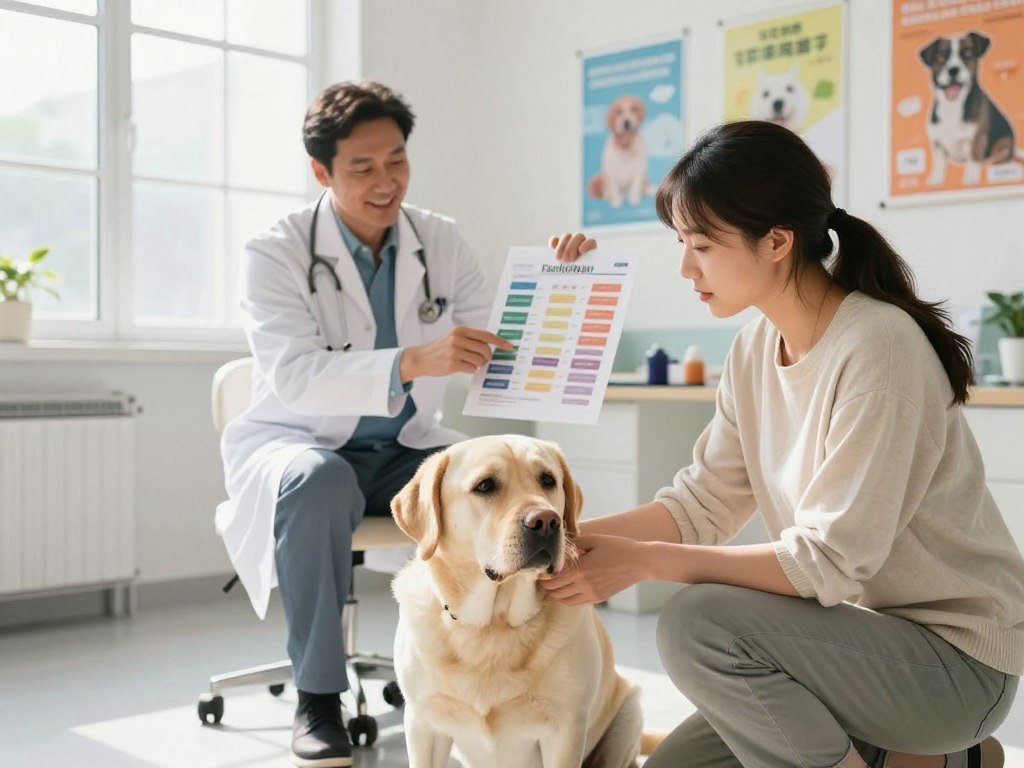
To determine if your dog is at a healthy weight, veterinarians often use a Body Condition Score (BCS). This system typically ranges from one to nine, where a score of four or five represents an ideal physique. You can perform a simple assessment at home by feeling your dog’s ribs and observing their waistline.
When you run your hands along your dog’s sides, you should be able to feel the ribs easily without a thick layer of fat. From above, your dog should have a visible waist tucked behind the rib cage. If you cannot feel the ribs or see a defined waist, your pet may be carrying excess weight that contributes to various canine health issues.
“The greatest gift you can give your dog is a healthy weight, as it directly correlates to their longevity and quality of life.”
Nutritional Planning and Exercise Requirements
Effective weight management requires a balanced approach to nutrition and physical activity. Start by consulting your veterinarian to determine the exact caloric needs for your dog’s specific breed, age, and activity level. Measuring food portions with a standard cup rather than “eyeballing” it can prevent accidental overfeeding.
In addition to diet, regular exercise is essential for burning calories and maintaining muscle tone. Incorporate daily walks, interactive play sessions, or swimming to keep your dog active. Addressing these canine health issues through structured routines will help your pet shed weight safely and improve their overall well-being.
Recognizing Signs of Urinary Tract Infections
Keeping your dog comfortable starts with understanding how to spot urinary issues. While these infections are among the most common pet health concerns, they can cause significant pain if left unaddressed. Early detection is the best way to ensure your furry friend recovers quickly and stays happy.
Common Symptoms of Bladder Issues
You might notice your dog acting differently when they need to go outside. A frequent urge to urinate, even if only a few drops come out, is a classic warning sign. You may also see your dog straining or appearing uncomfortable during the process.
Accidents in the house are another major indicator, especially for dogs that are usually well-trained. Sometimes, you might even spot blood in the urine or notice a strong, unusual odor. If you observe these behaviors, it is important to address these pet health concerns immediately to prevent further distress.
Diagnostic Procedures and Antibiotic Treatments
When you visit the clinic, your veterinarian will likely perform a urinalysis to confirm the infection. This simple test helps identify the presence of bacteria, white blood cells, or crystals in the urine. In some cases, they may also suggest an ultrasound or X-rays to rule out more complex issues.
Once a diagnosis is confirmed, your vet will typically prescribe a course of antibiotics. It is crucial to finish the entire prescription, even if your dog seems to feel better after a few days. Stopping treatment early can lead to recurring infections or more severe complications, such as painful bladder stones or kidney damage. By staying vigilant, you protect your pet from long-term health risks.
Addressing Parasitic Infestations Like Fleas and Ticks
Many common pet health concerns stem from tiny invaders like fleas and ticks. These pests are far more than a simple seasonal nuisance for your dog. They can transmit dangerous diseases that impact your pet’s quality of life.
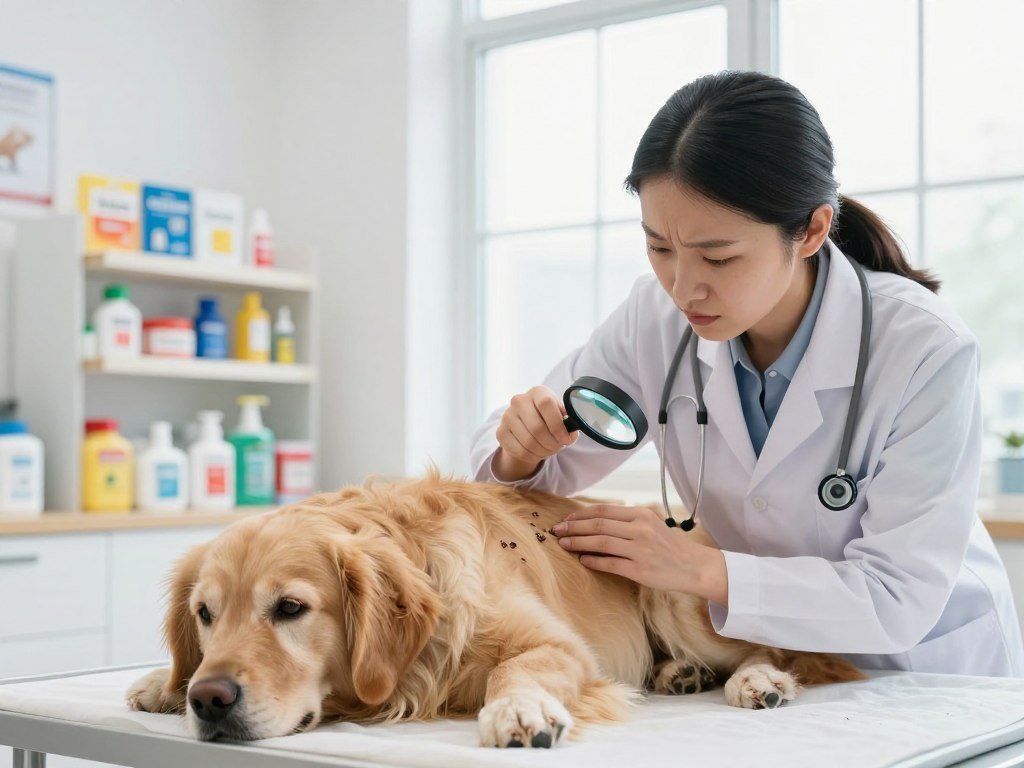
“An ounce of prevention is worth a pound of cure when it comes to protecting your dog from the hidden dangers of the outdoors.”
Identifying Common External Parasites
Fleas often manifest as excessive scratching, biting, or visible “flea dirt” on your dog’s skin. You might notice small, dark specks that turn red when placed on a wet paper towel. These pests thrive in warm environments and can quickly lead to skin irritation or allergic reactions.
Ticks are equally concerning, as they often attach themselves to areas like the ears, neck, or between the toes. Regular physical exams are the best way to spot these parasites before they become deeply embedded. Always check your dog thoroughly after spending time in tall grass or wooded areas.
Preventative Medications and Environmental Control
The most effective way to manage these pet health concerns is through consistent, year-round preventative medication. Consult your veterinarian to choose a product that fits your dog’s specific lifestyle and health needs. Skipping doses can leave your pet vulnerable to infestations.
Environmental control is just as important as medication. Keep your yard mowed and clear of debris where ticks might hide. Inside your home, frequent vacuuming and washing your dog’s bedding in hot water can help eliminate eggs and larvae.
It is also important to remember that other threats, such as Parvovirus, can linger in the environment for months. While not a parasite, this virus is highly resistant to many common disinfectants. Maintaining a clean living space is a fundamental aspect of responsible pet health concerns management and overall hygiene.
Understanding Heartworm Disease Prevention and Treatment
Among the various pet health concerns that owners face, heartworm disease remains one of the most dangerous. This condition is caused by parasitic worms that live in the heart and lungs of infected animals. If left untreated, it can lead to severe organ damage and, eventually, death.
Taking proactive steps to protect your dog is essential for their long-term well-being. By understanding how this disease spreads, you can better shield your furry friend from harm.
How Heartworms are Transmitted
Heartworms are transmitted exclusively through the bite of an infected mosquito. When a mosquito bites an infected animal, it picks up microscopic baby worms known as microfilariae. These larvae develop inside the mosquito and are then passed to your dog during the next bite.
Once inside the dog, these larvae migrate through the bloodstream to the heart and pulmonary arteries. They can grow to be more than twelve inches long, causing significant blockages and inflammation. This silent progression is why regular testing is a vital part of managing pet health concerns.
The Necessity of Year-Round Preventatives
Many owners mistakenly believe that their dogs only need protection during the warmer months. However, mosquitoes can emerge even during brief warm spells in winter, making year-round prevention the gold standard for veterinary care.
Consistent use of preventative medication ensures that any larvae introduced into your dog’s system are eliminated before they can mature. Consider these key strategies for maintaining your dog’s health:
- Schedule annual blood tests to detect early signs of infection.
- Administer heartworm preventatives on the same day every month.
- Consult your veterinarian about the best medication options for your dog’s size and lifestyle.
- Keep your yard clear of standing water to reduce local mosquito populations.
Consistency is your best defense against this preventable disease. By following your veterinarian’s guidance, you provide your dog with the best chance at a long, healthy, and active life.
Managing Anxiety and Behavioral Health Concerns
Understanding your dog’s emotional state is key to managing some of the top dog health conditions. While many owners prioritize physical fitness, behavioral health is equally vital for a long and happy life. Ignoring these signs can lead to chronic stress, which often impacts the immune system and overall vitality.

Separation Anxiety and Noise Phobias
Many dogs struggle with the distress of being left alone, a condition known as separation anxiety. You might notice destructive chewing, excessive barking, or pacing when you prepare to leave the house. These behaviors are not acts of spite but rather sincere expressions of panic.
Similarly, noise phobias related to thunderstorms or fireworks can trigger intense fear. Dogs may hide in small spaces, tremble, or attempt to escape during these loud events. Recognizing these triggers early is essential to prevent these fears from becoming permanent habits.
Training Techniques and Calming Aids
Consistent training is the foundation of a secure canine mind. Positive reinforcement techniques help build confidence and provide your dog with clear expectations. You can also use calming aids, such as pheromone diffusers or anxiety wraps, to create a sense of safety during stressful periods.
Providing comfort items like a favorite blanket or a familiar toy can significantly alleviate stress during times of change. These items serve as emotional anchors for your pet. When combined with professional guidance, these strategies help manage some of the top dog health conditions effectively.
| Behavioral Issue | Primary Symptom | Recommended Strategy |
|---|---|---|
| Separation Anxiety | Destructive chewing | Gradual desensitization |
| Noise Phobia | Trembling/Hiding | Safe space creation |
| General Stress | Pacing/Restlessness | Comfort items/Toys |
Identifying Symptoms of Diabetes in Dogs
Among the top dog health conditions, diabetes stands out as a disease that requires diligent daily management. Type I diabetes is the most common form found in our canine companions. It occurs when the pancreas is unable to produce enough insulin to regulate blood sugar effectively.
While a diagnosis can feel overwhelming, many dogs continue to lead happy and active lives with the right approach. Consistency is the key to keeping your pet healthy and comfortable over the long term.
Recognizing the Classic Signs of Canine Diabetes
Early detection is essential for successful treatment. You should monitor your dog closely for any sudden changes in their daily habits or physical condition.
Keep an eye out for these common warning signs:
- Excessive thirst: You may notice your dog drinking significantly more water than usual.
- Increased urination: Frequent trips outside or accidents in the house are common indicators.
- Unexplained weight loss: Even if your dog maintains a normal appetite, they may lose weight rapidly.
- Lethargy: A noticeable decrease in energy or interest in play can signal an underlying issue.
Managing Blood Glucose Levels Through Diet and Insulin
Once a veterinarian confirms a diagnosis, the focus shifts to stabilizing blood glucose levels. This process typically involves a combination of specialized nutrition and medical therapy.
Effective management strategies often include:
- Insulin therapy: Most diabetic dogs require daily insulin injections to replace what their body cannot produce.
- Consistent diet: Feeding a high-quality, vet-recommended diet at the same time every day helps prevent dangerous glucose spikes.
- Regular monitoring: Routine check-ups and blood tests are necessary to adjust insulin dosages as needed.
By working closely with your veterinary team, you can create a structured routine that supports your dog’s health. With patience and care, you can help your pet thrive despite this chronic condition.
Handling Eye Conditions and Vision Changes
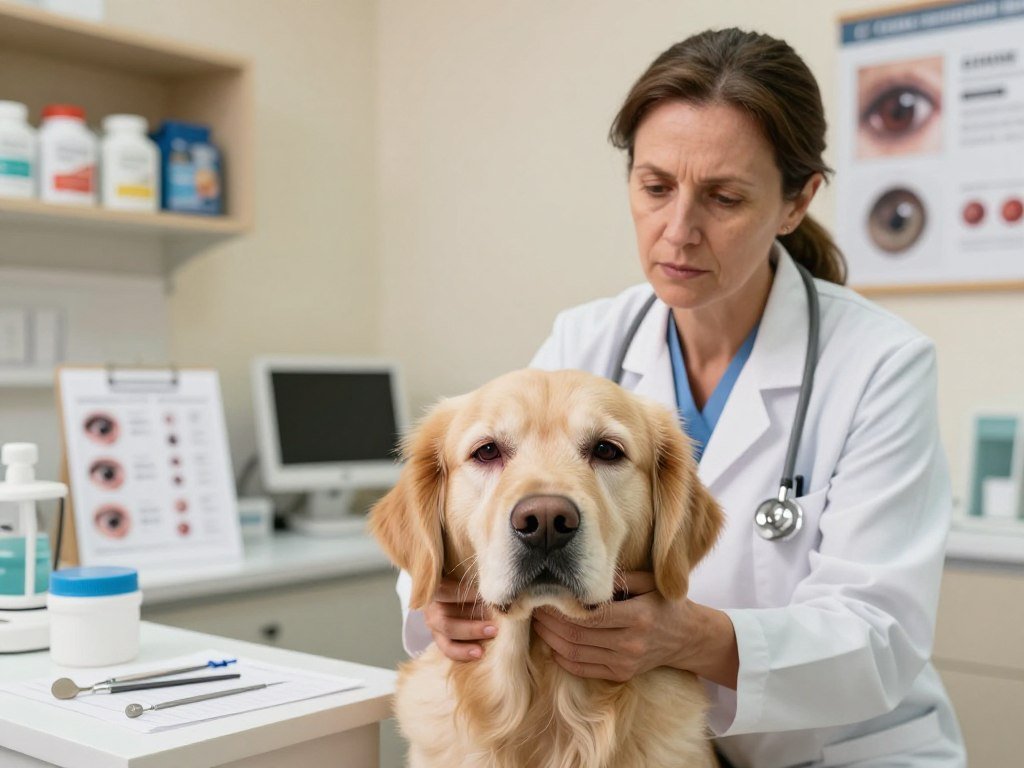
Maintaining clear vision is essential for your dog’s happiness, yet eye issues remain among the top dog health conditions. Because our pets cannot tell us when their sight is blurry or painful, we must act as their primary observers. Early detection is vital, as some issues can lead to rapid vision loss if not treated by a professional.
Common Eye Irritations and Infections
You might notice your dog squinting, pawing at their face, or experiencing excessive tearing. These are often the first signs of irritation or infection. Redness in the white part of the eye or a cloudy appearance on the surface should never be ignored, as these are frequently cited as top dog health conditions that require prompt attention.
“The eyes are the mirror of the soul, and in our dogs, they are the primary window through which they navigate their world. Protecting that window is a fundamental act of love.”
Environmental allergens, dust, or even a small scratch can trigger significant discomfort. Keeping the area around the eyes clean and free of debris helps prevent minor irritations from escalating into painful infections.
| Symptom | Potential Cause | Action Required |
|---|---|---|
| Excessive Tearing | Allergies or Blocked Duct | Consult Vet |
| Cloudy Cornea | Cataracts or Ulcer | Immediate Exam |
| Redness/Swelling | Infection or Injury | Professional Care |
When to Consult a Veterinary Ophthalmologist
While your primary veterinarian can handle many routine issues, certain conditions require the expertise of a specialist. If your dog shows signs of sudden vision loss, severe pain, or if a condition does not improve with standard treatment, a veterinary ophthalmologist is necessary. These specialists have the tools to diagnose complex issues that fall under the category of top dog health conditions.
Specialized care ensures that your dog receives the most accurate diagnosis and effective treatment plan. Protecting your dog’s sight is an essential part of maintaining their overall quality of life. Do not hesitate to seek a referral if you feel your pet’s vision is at risk.
When to Seek Emergency Veterinary Care
Recognizing the signs of a true veterinary emergency is a vital skill for every owner. While many common pet ailments can wait for a scheduled appointment, some situations require immediate intervention to ensure your dog’s safety. Staying calm and acting quickly can truly be the difference between life and death for your beloved companion.
Recognizing Life-Threatening Symptoms
You should seek emergency care if your dog experiences difficulty breathing, persistent seizures, or sudden collapse. Even seemingly minor issues can escalate rapidly if they are not addressed by a professional.
For instance, serious cases of kennel cough can lead to pneumonia if left untreated. You must monitor your dog’s breathing closely for any signs of wheezing or extreme fatigue. If your pet shows pale gums, excessive bleeding, or an inability to stand, head to the nearest animal hospital immediately.
Preparing for After-Hours Veterinary Visits
Emergencies rarely happen during standard business hours, so preparation is key. Keep your primary veterinarian’s contact information and the address of the nearest 24-hour emergency clinic saved in your phone.
It is also helpful to keep a printed list of your dog’s current medications and known allergies in a visible spot at home. Being prepared for these moments ensures that you can act with confidence when your pet needs help the most. By staying organized, you reduce stress for both yourself and your dog during a difficult time.
Conclusion
Responsible pet ownership relies on staying informed about the most common pet ailments your dog may face. You hold the power to improve your companion’s quality of life through consistent observation and care.
Prioritizing regular veterinary check-ups with trusted clinics like Banfield Pet Hospital or VCA Animal Hospitals creates a strong foundation for health. A balanced diet and daily exercise routines keep your dog in peak physical condition. These simple habits serve as your best defense against unexpected health challenges.
Early detection remains the most effective tool for preventing serious illness. Watch for subtle changes in behavior or physical appearance to catch issues before they escalate. Your attention to detail makes a world of difference in your dog’s comfort and longevity.
We hope this guide empowers you to provide the best possible care for your beloved canine companion. Share your experiences with other pet owners to help build a community focused on animal health. Your dedication ensures many happy years ahead for your loyal friend.
FAQ
What are the most common dog health problems I should watch for?
How do I identify prevalent canine illnesses like heartworm or parvovirus?
What are the top dog health conditions affecting senior pets?
Which popular dog sicknesses are related to the skin and coat?
Can common pet ailments like obesity lead to other dog illnesses?
What should I do if my pet shows signs of canine health issues involving the eyes?