

Did you know that for over three decades, one specific breed has held the top spot as America’s most popular canine companion? It is not just their wagging tails that capture hearts, but their unmatched devotion to their human families.
The labrador retriever consistently ranks as the favorite choice for households across the United States. These dogs are famous for being incredibly friendly, loyal, and eager to please their owners.
Whether you lead an active lifestyle or enjoy quiet weekends at home, this breed adapts perfectly to your pace. Their high trainability makes them excellent partners for first-time pet parents and experienced dog lovers alike. Discover why this energetic breed remains the gold standard for a happy, healthy home life.
Key Takeaways
- The breed has maintained the number one spot for popularity in the U.S. for over 30 years.
- They are widely recognized for their friendly and gentle temperament with children.
- High intelligence and a desire to please make them very easy to train.
- These dogs thrive in active households that provide plenty of exercise and play.
- Their loyal nature makes them exceptional companions for families of all sizes.
The Rich History of the Labrador Retriever
Few dog breeds possess a history as captivating as the versatile labrador retriever. While they are now famous for their gentle nature in suburban homes, their ancestors were built for much tougher environments.
Origins in Newfoundland
The breed traces its roots back to the Canadian province of Newfoundland. Local fishermen relied on these sturdy dogs to help retrieve escaped fish and pull in nets from the icy Atlantic waters.
These early dogs were known for their incredible work ethic and water-resistant coats. Their natural instinct to retrieve made them perfect partners for hunters, specifically as duck retrievers in the marshy Canadian landscape.
Evolution into the Modern American Companion
As the breed gained popularity, it eventually made its way to the United States. This transition marked a significant shift in the labrador retriever history, moving the dog from a specialized worker to a beloved family member.
Breeders focused on maintaining the dog’s intelligence while softening its temperament for home life. Today, the breed remains a top choice for American families due to its adaptability and loyal personality.
| Historical Role | Modern Role | Key Trait |
|---|---|---|
| Fisherman’s Helper | Family Companion | Loyalty |
| Duck Retriever | Service Dog | Intelligence |
| Working Athlete | Active Partner | Endurance |
Understanding the Labrador Retriever Temperament
Few breeds possess the natural warmth and steady labrador retriever temperament that makes them such beloved household members. These dogs are famous for their gentle disposition and their genuine desire to be part of every family activity.
Whether they are playing in the backyard or lounging on the living room rug, they remain deeply connected to their human pack. Their eagerness to please is not just a training advantage; it is a core part of their personality that makes them incredibly reliable companions.

Why They Are Known as the Ultimate Family Dog
The labrador retriever is widely considered the gold standard for families with children. Their high level of patience and gentle nature allow them to handle the chaotic energy of a busy household with grace.
They are highly intelligent, which helps them understand the boundaries of play. Because they are so affectionate, they often form deep, lasting bonds with every member of the family, from the youngest toddler to the oldest grandparent.
Socialization Needs for a Balanced Personality
While the breed is naturally friendly, a well-rounded labrador retriever temperament requires consistent effort from the owner. Early socialization is the key to ensuring your dog grows into a confident and calm adult.
By exposing your puppy to new environments, sounds, and people, you help them build the resilience needed for a happy life. Consider these essential steps for fostering a balanced personality:
- Positive Exposure: Introduce your dog to various surfaces, such as grass, gravel, and wood floors.
- Social Interaction: Arrange supervised playdates with other well-behaved dogs to teach proper social cues.
- Confidence Building: Use treats and praise to reward calm behavior in new or busy settings.
Investing time in these early stages pays off significantly. A properly socialized dog is not only more relaxed in public but also more secure in the comfort of your own home.
Selecting the Perfect Labrador Puppy
Your search for a lifelong companion begins with identifying a breeder who truly cares about the future of the labrador breed. Bringing a new dog into your home is a significant commitment that requires careful research and preparation. By taking the time to find the right source, you ensure a healthier and happier start for your new family member.
Finding Reputable Breeders in the United States
A responsible breeder will always prioritize the health and temperament of their dogs above all else. They should be willing to share health clearances for the parents, specifically regarding hip, elbow, and eye certifications. Transparency is key when you are looking for a healthy labrador puppy.
- Ask for proof of genetic health testing from organizations like the OFA.
- Look for breeders who are active members of national or regional breed clubs.
- Ensure they provide a written contract that includes a health guarantee.
- Check if they offer lifetime support and guidance for their puppies.
What to Look for During Your First Visit
When you visit a kennel, pay close attention to the environment where the dogs live. A reputable breeder maintains a clean, safe, and stimulating space for their animals. You should feel comfortable asking questions about how the puppies are raised and socialized during their first few weeks.
Observe the temperament of the mother dog, as this often reflects the personality of the litter. A well-adjusted labrador breed puppy should appear curious, playful, and comfortable around people. If the environment seems neglected or the breeder avoids your questions, it is best to continue your search elsewhere. Trust your instincts to ensure you are bringing home a well-adjusted labrador puppy that will thrive in your care.
Essential Labrador Retriever Care for New Owners
Proper labrador retriever care starts the moment you bring your new companion through the front door. Establishing a routine early on helps your dog feel secure and understood in their new surroundings. By focusing on safety and activity, you build a strong bond that lasts for years.

Creating a Safe Home Environment
Your home should be a sanctuary where your pet can explore without risk. Start by puppy-proofing common areas to remove hazards like electrical cords, toxic plants, and small objects that could be swallowed. It is wise to use baby gates to restrict access to rooms that are not yet ready for a curious dog.
Establishing clear boundaries is equally important for effective labrador retriever care. Designate specific zones for sleeping, eating, and playing to help your dog understand the house rules. Consistency in these areas prevents confusion and helps your pet settle into the family dynamic much faster.
Daily Exercise Requirements for High-Energy Dogs
Labradors are naturally athletic and possess a high level of energy that requires a daily outlet. Without enough physical activity, these dogs may develop destructive habits or become restless indoors. You should aim for at least sixty minutes of movement every day to keep them healthy and happy.
Mixing up your routine with walks, games of fetch, or swimming sessions provides the mental and physical stimulation they crave. This active lifestyle is essential for maintaining their weight and supporting their joints. Remember that a tired dog is almost always a well-behaved dog.
| Activity Type | Intensity Level | Recommended Duration |
|---|---|---|
| Brisk Walking | Moderate | 30-45 Minutes |
| Fetch/Retrieving | High | 20-30 Minutes |
| Swimming | High | 15-20 Minutes |
| Mental Training | Low | 10-15 Minutes |
By balancing these activities, you ensure your pet receives the comprehensive labrador retriever care they deserve. Always monitor your dog for signs of fatigue and adjust the intensity based on their age and overall fitness level.
Mastering Labrador Retriever Training Techniques
Labrador retriever training serves as the foundation for a happy and well-adjusted household pet. Because this breed is highly intelligent and naturally active, they thrive when given clear guidance and consistent structure. Investing time in their education early on helps build a deep bond of trust between you and your canine companion.
Positive Reinforcement Methods
The most effective way to teach your dog is through positive reinforcement. This method focuses on rewarding desired behaviors rather than punishing mistakes. When your Labrador performs a command correctly, offer a small treat, verbal praise, or a favorite toy immediately.
Consistency is the secret ingredient to success. Ensure that every family member uses the same cues and rewards to avoid confusing your pet. By keeping training sessions short and upbeat, you maintain your dog’s interest and enthusiasm for learning new skills.
“The best way to train a dog is to reward the behavior you want to see, rather than focusing on the behavior you want to stop.”
Addressing Common Behavioral Challenges
Even the most well-behaved dogs may struggle with specific habits like jumping on guests or pulling on the leash. For leash pulling, try stopping completely until your dog returns to your side before moving forward again. This teaches them that walking calmly is the only way to reach their destination.
Excessive barking often stems from boredom or a need for attention. Providing adequate mental stimulation through puzzle toys can significantly reduce this behavior. If your Labrador continues to struggle, consider the following comparison of common training approaches to find what works best for your situation.
| Training Method | Primary Focus | Best For |
|---|---|---|
| Positive Reinforcement | Rewarding good choices | Basic obedience |
| Clicker Training | Marking precise timing | Advanced tricks |
| Redirection | Changing focus | Stopping jumping |
Effective labrador retriever training requires patience and a gentle hand. By addressing these challenges early, you ensure your dog remains a polite and welcome member of your family. Remember that every dog learns at their own pace, so celebrate the small victories along the way.
Navigating Labrador Retriever Health and Wellness
Labrador retriever health is a journey that requires attention, love, and professional guidance. As a dedicated owner, you play a vital role in ensuring your companion enjoys a long, vibrant life. By staying informed and proactive, you can help your dog thrive at every stage of their development.

Common Genetic Conditions to Monitor
While this breed is generally robust, they are predisposed to certain hereditary issues. Hip and elbow dysplasia are among the most common concerns, where the joints do not fit together perfectly. These conditions can lead to discomfort or mobility challenges as your dog ages.
Eye conditions, such as Progressive Retinal Atrophy (PRA), also require your attention. Early detection is key to managing these genetic predispositions effectively. Working with a reputable breeder who performs health screenings can significantly reduce these risks before you even bring your puppy home.
“The secret to a long life for your pet is not just luck, but a consistent partnership with a veterinarian who knows your dog’s history.”
The Importance of Regular Veterinary Checkups
Routine wellness exams are the cornerstone of maintaining excellent labrador retriever health. These visits allow your veterinarian to establish a baseline for your dog’s normal behavior and physical condition. Catching subtle changes early often makes treatment much more successful and less invasive.
Your vet will help you create a personalized health plan that includes vaccinations, parasite prevention, and weight management. Staying on top of these appointments ensures that your dog remains happy and active for years to come. Use the following guide to understand how to manage common health areas effectively.
| Health Concern | Primary Focus | Management Strategy |
|---|---|---|
| Joint Health | Mobility | Controlled exercise and weight management |
| Eye Health | Vision | Annual exams and genetic testing |
| Dental Care | Hygiene | Daily brushing and professional cleanings |
| Weight Control | Longevity | Measured portions and healthy treats |
Ultimately, your commitment to these wellness practices creates a strong foundation for your dog’s future. By prioritizing regular checkups and staying vigilant, you provide the best possible care for your loyal friend.
Nutritional Needs for the Labrador Breed
Because the labrador breed is famous for its hearty appetite, managing their diet requires extra attention. Providing the right nutrients is the most effective way to ensure your dog enjoys a long, vibrant life. Consistency in your feeding routine helps maintain stable energy levels throughout the day.
Choosing High-Quality Dog Food
Selecting a premium diet is vital for supporting the physical development of your dog. You should look for formulas that list high-quality proteins, such as chicken or fish, as the primary ingredient. It is important to adjust these choices based on the specific life stage of your labrador breed.
Puppies require nutrient-dense food to support rapid growth, while seniors often need fewer calories and added joint support. Always consult with your veterinarian to determine the best caloric intake for your dog’s activity level. High-quality ingredients lead to better digestion and a shinier coat.
“Nutrition is the foundation of health; a well-fed dog is a happy, active, and long-lived companion.”
Managing Weight to Prevent Obesity
The labrador breed is prone to weight gain due to their strong food motivation. Obesity can lead to serious health complications, including joint stress and heart issues. You must practice strict portion control to keep your dog at a healthy weight.
Avoid over-relying on treats during training sessions. Instead, use a portion of their daily kibble allowance as a reward. Regular monitoring of your dog’s body condition score is a simple way to track their progress.
| Life Stage | Nutritional Focus | Activity Level |
|---|---|---|
| Puppy | Growth & Development | High |
| Adult | Maintenance | Moderate |
| Senior | Joint & Metabolic Health | Low |
By staying vigilant with your labrador breed, you can prevent unnecessary weight gain. Healthy habits established early will pay off in the long run. Remember that a lean dog is generally a much healthier and more active member of your family.
Labrador Retriever Grooming and Hygiene
Even though the Labrador Retriever has a wash-and-wear coat, they need consistent attention to thrive. While they do not require professional styling, labrador retriever grooming is essential for their overall comfort and cleanliness. Establishing these habits early makes the process much easier for both you and your pet.

Managing the Double Coat
The breed features a short, dense, and water-resistant double coat designed for harsh conditions. This coat naturally repels water and dirt, which helps keep your dog clean after outdoor play. However, you should brush them weekly to remove loose fur and distribute natural oils across their skin.
During seasonal shedding periods, you will notice a significant increase in loose hair around your home. Using a de-shedding tool during these times is highly recommended to keep their coat healthy. Consistent brushing supports labrador retriever health by preventing painful matting and allowing you to check for skin irritations.
Dental Care and Nail Trimming Routines
Oral hygiene is a frequently overlooked aspect of canine care. You should aim to brush your dog’s teeth several times a week using toothpaste specifically formulated for pets. This simple habit prevents tartar buildup and keeps their breath fresh, contributing to long-term labrador retriever health.
Nail trimming is equally important for your dog’s mobility and comfort. If you hear clicking sounds on the floor, it is time for a trim. Regular labrador retriever grooming sessions should include checking the paw pads for debris or cracks. Keeping these routines consistent ensures your companion remains happy, active, and pain-free throughout their life.
Socializing Your Labrador with Children and Other Pets
Proper socialization is the cornerstone of raising a well-adjusted and friendly Labrador Retriever. When you bring a new dog into a home filled with children or other animals, your primary goal is to foster mutual respect. Effective labrador retriever training helps your pet understand the boundaries of their new environment while building confidence.
Building Positive Relationships in the Household
Start by introducing your dog to other pets in a neutral territory, such as a quiet park or a fenced backyard. Keep these initial meetings short and always keep your dog on a leash to maintain control. Consistency is vital during these early stages to ensure your dog feels secure rather than overwhelmed.
When introducing your Labrador to children, teach the kids how to approach the dog calmly. Encourage them to offer treats for gentle behavior, which reinforces the idea that interacting with humans is a rewarding experience. This foundational labrador retriever training creates a lasting bond based on trust and positive reinforcement.
Supervision Tips for Safe Interactions
Never leave a young dog unattended with small children or smaller pets, regardless of how friendly they seem. Active supervision allows you to intervene immediately if the play becomes too rough or if the dog shows signs of stress. Always watch for body language cues, such as tucked tails or excessive panting, which indicate that your dog needs a break.
Designate a specific “safe zone” in your home where your Labrador can retreat when they need quiet time. This space should be off-limits to children and other pets, providing your dog with a sense of security. By prioritizing these safety measures, you ensure that your labrador retriever training efforts lead to a happy, harmonious, and safe household for everyone.
The Role of the Labrador in American Active Lifestyles
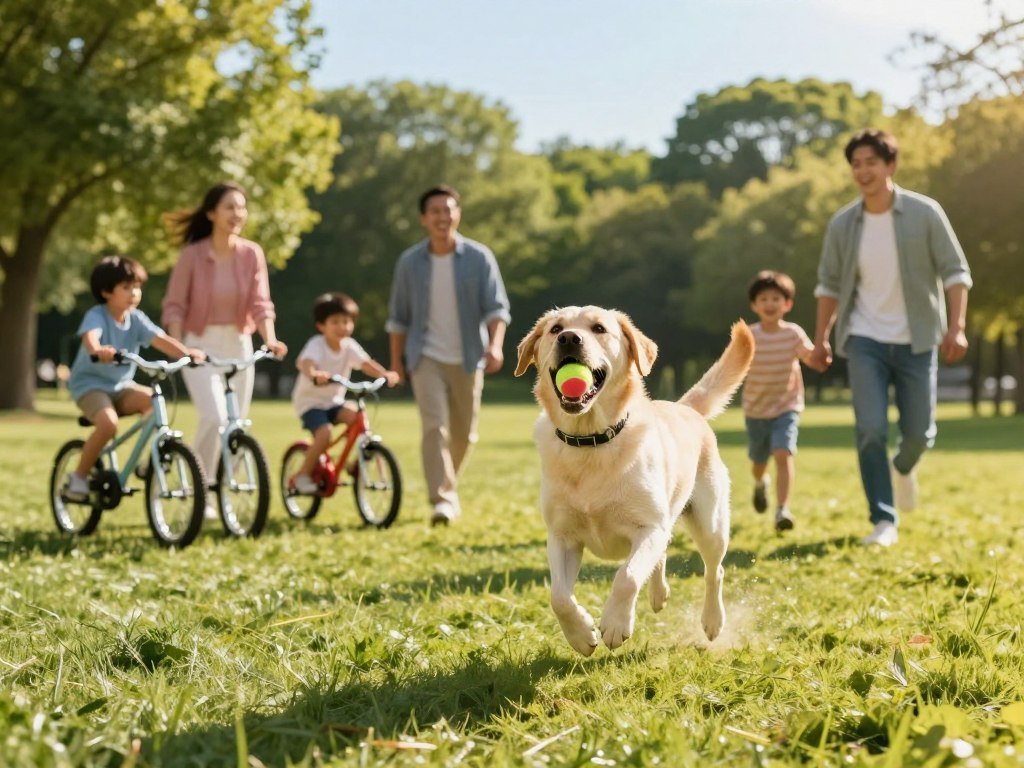
From mountain trails to local lakes, the Labrador Retriever is built for constant movement and exploration. While many owners appreciate the labrador retriever history as a hardworking water dog, today’s pets bring that same energy to modern family adventures. Engaging in regular physical activity is essential for maintaining their health and providing the mental stimulation they crave.
Hiking and Outdoor Adventures
Hiking with your dog is a fantastic way to strengthen your bond while exploring the great outdoors. These dogs possess the stamina required for long treks, making them ideal partners for weekend excursions. Always remember to pack plenty of fresh water and a collapsible bowl to keep your companion hydrated during your journey.
Swimming is another activity that comes naturally to this breed. Because of their unique coat and webbed feet, they are natural swimmers who love to splash in lakes or rivers. Ensure the water is safe and free of strong currents before letting your dog jump in for a refreshing dip.
Participating in Canine Sports
If you want to challenge your dog’s mind and body, consider enrolling in organized canine sports. Activities like agility training, dock diving, and rally obedience allow your pet to showcase their intelligence and athletic prowess. These sports are not just about competition; they are about building a deeper connection with your furry friend.
Participating in these events also helps you understand the evolution of the breed. By observing how they navigate obstacles or retrieve items, you gain a new appreciation for the labrador retriever history as a versatile working dog. Whether you compete at a high level or just practice in the backyard, these activities ensure your dog remains happy, fit, and well-adjusted.
Seasonal Care Tips for American Climates
Living across the diverse landscapes of the United States means your dog will encounter a wide range of weather conditions. Proper labrador retriever care requires you to stay proactive as the seasons shift from sweltering heat to freezing temperatures. By adjusting your daily routine, you can ensure your companion remains comfortable and healthy all year long.
Protecting Paws from Hot Pavement
During the summer months, asphalt and concrete can reach dangerous temperatures that cause severe burns to your dog’s paw pads. A simple rule of thumb is the five-second test: place the back of your hand on the pavement for five seconds. If it is too hot for your skin, it is definitely too hot for your dog.
To keep your pet safe during walks, consider these practical tips:
- Walk your dog during the early morning or late evening when the ground has cooled.
- Stick to grassy areas or shaded paths instead of direct sunlight on pavement.
- Invest in protective dog booties if you must walk on hot surfaces.
- Check your dog’s paws regularly for signs of redness, blistering, or peeling.
Winter Safety and Cold Weather Precautions
While Labradors have a dense double coat, they are still susceptible to the harsh realities of winter. Cold weather brings unique challenges, including icy surfaces and chemical de-icers that can irritate sensitive skin. Consistent labrador retriever care during the winter months involves extra attention to your dog’s paws and overall body temperature.
Follow these guidelines to keep your dog safe when the temperature drops:
- Wipe your dog’s paws thoroughly after every walk to remove salt and chemical ice melts.
- Use a dog-safe paw balm to prevent cracking and dryness caused by cold air.
- Consider a dog sweater or coat for shorter-haired Labradors during extended outdoor activities.
- Keep outdoor exercise sessions shorter if the wind chill is extreme to prevent frostbite.
By staying mindful of the environment, you provide the best possible protection for your pet. Being prepared for seasonal changes is a hallmark of a dedicated owner who prioritizes their dog’s well-being in every climate.
Common Myths About the Labrador Retriever
If you are considering adding a canine companion to your home, it is vital to clear up common myths about the labrador retriever. Many prospective owners enter the journey with preconceived notions that do not always align with the reality of daily life. By separating fact from fiction, you can build a much stronger bond with your new pet.

Debunking Misconceptions About Temperament
A frequent misunderstanding involves the maturity timeline of the labrador breed. Many people expect their new puppy to be calm and collected immediately, but this is rarely the case.
In reality, most Labs maintain high levels of puppy energy until they reach maturity. You should expect your dog to settle down significantly between 2 and 4 years of age. Understanding this labrador retriever temperament helps you remain patient during those active, formative years.
Clarifying Exercise and Space Requirements
Another common myth suggests that a labrador retriever requires a massive estate to be happy. While these dogs certainly enjoy room to roam, they are surprisingly adaptable to various living situations.
The secret to a happy dog is not just the size of your yard, but the quality of interaction you provide. Consistent, engaging exercise is far more important than simply letting a dog out into a large space alone.
Whether you live in a suburban home or a smaller space, the labrador breed will thrive if you prioritize daily walks and mental stimulation. Providing structured activity ensures your pet remains healthy and well-adjusted throughout their life.
Preparing Your Home for a New Labrador Family Member
Creating a welcoming environment is essential for your new pet’s comfort and security. Taking the time to organize your space before your dog arrives helps reduce stress for both you and your new companion. A well-prepared home ensures that your focus remains on bonding rather than rushing to the store for last-minute items.
Essential Supplies Checklist
When you bring home a labrador puppy, having the right gear is vital for their development and safety. You should stock up on durable chew toys, as these dogs are known for their active nature and love for play. Additionally, investing in high-quality bowls and a sturdy leash will make your daily routine much easier.
Proper maintenance is also a key part of ownership. You will need to gather specific labrador retriever grooming tools, such as a slicker brush and a gentle shampoo, to keep their coat healthy. Keeping these items organized in a dedicated spot will streamline your care routine from the very first day.
Setting Up a Comfortable Sleeping Area
Every dog needs a quiet, designated space where they can retreat to feel safe and relaxed. Choose a location that is away from high-traffic areas but still allows your pet to feel connected to the family. A comfortable crate or a soft, orthopedic bed can provide the perfect sanctuary for rest.
Make sure the area is free from drafts and hazards to ensure your pet stays cozy throughout the night. Adding a familiar blanket or a soft toy can help your new companion adjust to their surroundings more quickly. Consistency in where they sleep will help establish a healthy routine and promote better behavior.
| Supply Category | Purpose | Frequency of Use |
|---|---|---|
| Grooming Kit | Essential for labrador retriever grooming | Weekly |
| Durable Toys | Mental stimulation for a labrador puppy | Daily |
| Orthopedic Bed | Joint support and comfort | Nightly |
| Training Treats | Positive reinforcement | During sessions |
Conclusion
Your life changes for the better the moment you welcome a loyal friend into your family. The labrador retriever stands out as a premier choice for households across the United States because of their unmatched devotion and gentle spirit.
Building a strong bond requires patience and consistent care. By applying the insights shared throughout this guide, you create a stable environment where your pet can thrive. Every walk, training session, and quiet evening at home strengthens the connection you share with your labrador retriever.
The effort you invest today pays off in years of wagging tails and unconditional affection. Embrace the journey of pet ownership with an open heart. Your new companion is ready to become a cherished member of your family for many years to come.
FAQ
What is the origin and history of the Labrador Retriever?
Why is the labrador retriever temperament so highly regarded for families with children?
How do I ensure I am choosing a healthy labrador puppy?
What are the most common labrador retriever health issues I should watch for?
What are the best labrador retriever training methods for beginners?
How should I manage labrador retriever grooming and their heavy shedding?
What kind of diet is best for the labrador breed to prevent obesity?
Do Labrador Retrievers require a lot of exercise and space?
Is it true that Labs take a long time to “calm down” after the puppy stage?