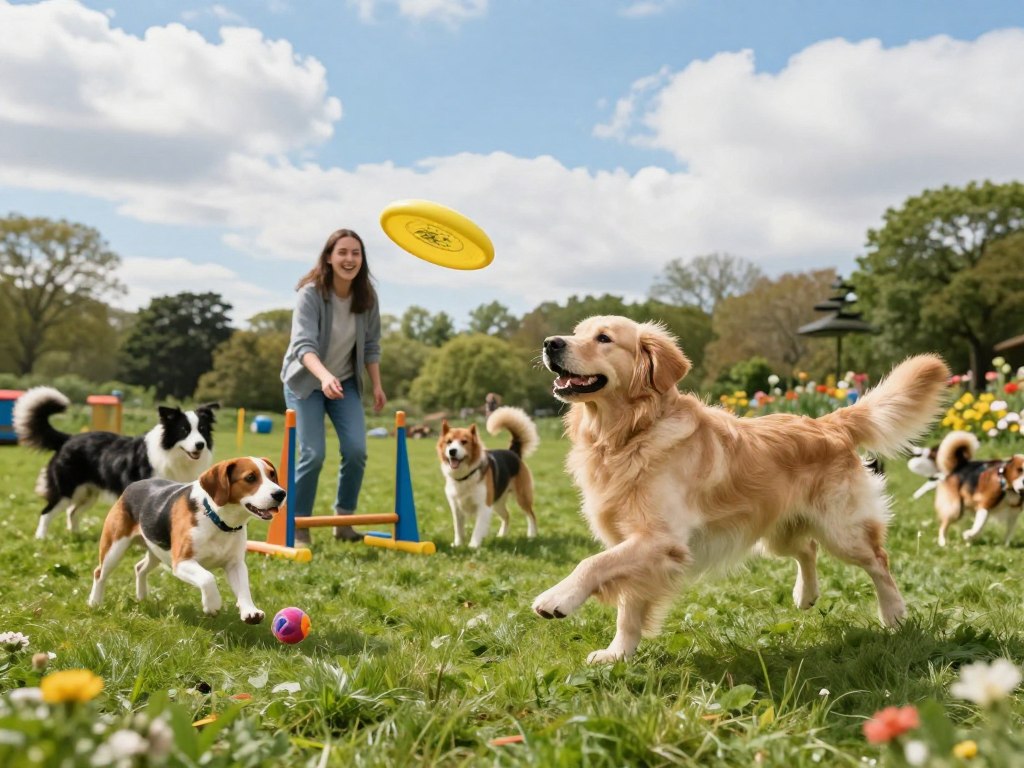
Did you know that over 50% of pets in the United States are currently classified as overweight or obese? This startling reality highlights a growing need for proactive wellness routines. Incorporating consistent dog exercise & activities into your daily schedule is the most effective way to combat these health risks.
Moving together does more than just keep your companion at a healthy weight. It strengthens the unique bond you share while boosting mental clarity for both of you. When you prioritize these moments, you naturally reduce common behavioral issues caused by pent-up energy.
Finding the right dog exercise & activities can transform your routine from a chore into a highlight of your day. Whether you enjoy brisk walks or interactive games, staying active ensures a longer, happier life for your furry friend. Let’s explore how to keep your pet engaged and thriving.
Key Takeaways
- Regular movement significantly lowers the risk of obesity in pets.
- Shared physical routines foster a deeper emotional connection.
- Active lifestyles help prevent common behavioral problems.
- Mental stimulation is just as vital as physical exertion.
- Consistent habits lead to improved long-term health outcomes.
Understanding the Importance of Dog Exercise & Activities
A well-rounded routine of dog exercise & activities is essential for every pet owner who wants to ensure their companion thrives. Beyond simple play, these daily habits serve as the foundation for a healthy, balanced, and happy life for your furry friend.
The Connection Between Physical Health and Behavior
Physical movement acts as a vital outlet for pent-up energy that might otherwise manifest as destructive behavior. When dogs lack sufficient stimulation, they often resort to unwanted habits like excessive chewing, digging, or constant barking.
By providing consistent dog exercise & activities, you help your pet channel their natural instincts into productive outlets. This proactive approach significantly reduces restlessness and fosters a much calmer environment inside your home.
How Regular Movement Prevents Obesity and Anxiety
Maintaining a healthy weight is one of the most critical benefits of a structured fitness plan. Regular movement keeps joints flexible and muscles strong, which prevents the long-term health complications associated with canine obesity.
It is also important to remember that mental stimulation is just as powerful as physical exertion. In fact, just five minutes of brain work can be as tiring as a thirty-minute walk for your pet.
Incorporating both physical and mental challenges into your daily dog exercise & activities helps lower anxiety levels significantly. A tired dog is typically a content dog, leading to better sleep and a more stable temperament throughout the day.
Assessing Your Dog’s Physical Needs and Limitations
Finding the right balance for your dog’s daily movement starts with a careful assessment of their individual physical capabilities. Because every pet is different, there is no one-size-fits-all approach to physical activities for dogs. Taking the time to observe your companion’s natural pace will help you build a routine that is both safe and enjoyable.
Evaluating Breed-Specific Energy Levels
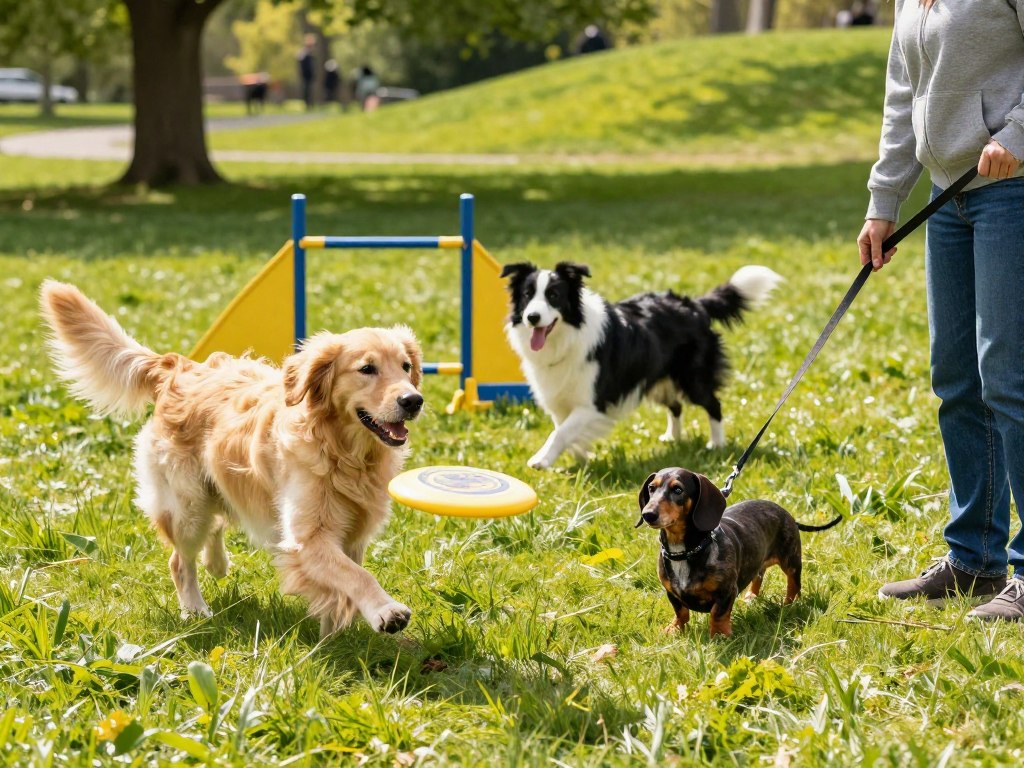
Genetics play a massive role in how much movement your dog craves. High-energy breeds like Border Collies or Vizslas often require intense physical activities for dogs to remain satisfied and well-behaved. These working breeds are built for endurance and thrive when given a job to do.
Conversely, brachycephalic breeds or those with shorter legs may tire much faster. It is crucial to research your specific breed’s history to understand their stamina. Always adjust your expectations based on what your dog was originally bred to do.
Recognizing Signs of Fatigue and Overexertion
Safety is the foundation of any fitness program. You must be vigilant for warning signs that your dog has reached their limit. Common indicators of overexertion include excessive panting, bright red gums, or a noticeable tendency to lag behind during a walk.
Special care is required for younger animals. Puppies under 18 months should avoid intense activities like long runs or high-impact jumping to protect their developing joints. If your dog shows signs of exhaustion, stop the activity immediately and allow them to rest in a cool, shaded area. Monitoring these cues ensures that your exercise sessions remain a positive experience for your pet.
Essential Outdoor Activities for Dogs
When you step outside with your canine companion, you open up a world of sensory discovery. Engaging in fun ways to exercise your dog helps maintain their physical health while providing necessary mental stimulation. Fresh air and new environments are vital for a happy, well-adjusted pet.
The Benefits of Structured Leash Walking
Structured leash walking is more than just a bathroom break; it is a focused activity that builds a stronger bond between you and your pet. By maintaining a consistent pace and encouraging your dog to walk by your side, you turn a simple stroll into a productive workout. This practice helps improve their focus and reduces leash-pulling behaviors over time.
Exploring Local Hiking Trails and Nature Parks
Taking your dog on a hike allows them to explore diverse terrains and scents that keep their mind sharp. Before heading out, always check the ground temperature to ensure it is safe for their sensitive paws. A simple rule is to place your hand on the sidewalk or trail surface for 10 seconds; if it feels too hot for you, it is definitely too hot for your dog.
Safe Off-Leash Play in Enclosed Dog Parks
Enclosed dog parks offer excellent outdoor activities for dogs who need to burn off extra energy through social play. These spaces allow your pet to run freely in a secure environment, which is great for their cardiovascular health. Always monitor your dog closely to ensure they are interacting safely with other animals.
| Activity Type | Intensity Level | Primary Benefit |
|---|---|---|
| Leash Walking | Low to Moderate | Bonding and Discipline |
| Hiking | Moderate to High | Sensory Enrichment |
| Off-Leash Play | High | Socialization and Cardio |
Creative Indoor Activities for Dogs When Weather Fails
Rainy days don’t have to mean a boring day for your energetic pup. When the weather keeps you trapped inside, you can still find fun ways to exercise your dog without needing a large backyard. These simple strategies help burn off excess energy while strengthening your bond.
Setting Up an Indoor Obstacle Course
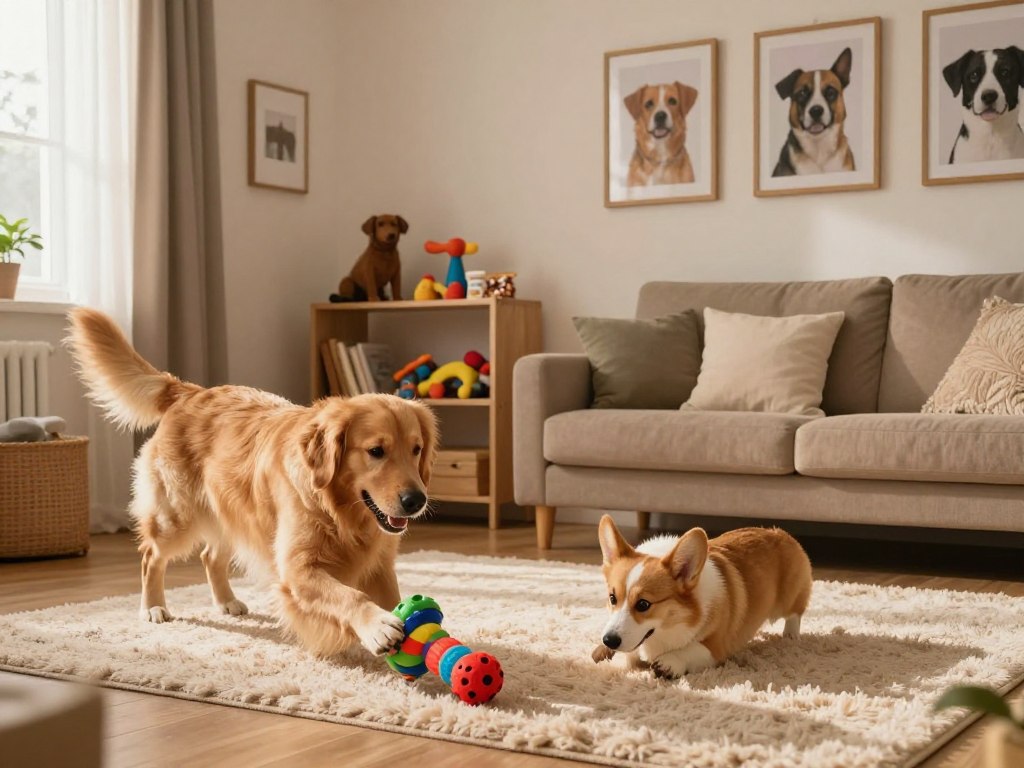
You can transform your living room into a fun agility zone using common household items. Use pillows as hurdles, cardboard boxes as tunnels, and chairs as weave poles to create a custom path. Encouraging your dog to navigate these obstacles builds confidence and improves their coordination.
For a DIY touch, repurpose plastic bottles or paper bags to create simple puzzle toys. Placing treats inside these items forces your dog to use their nose and brain to earn a reward. This mental stimulation is just as tiring as a long walk.
Utilizing Hallways for Fetch and Tug-of-War
Hallways are excellent, long spaces for high-energy games when you cannot go to the park. A soft toy is perfect for a quick game of fetch, as it won’t damage your walls or floors. Tug-of-war is another fantastic option that provides a great workout in a small footprint.
Always ensure the floor surface is not too slippery to prevent accidental injuries. If you have hardwood or tile, consider placing a rug down to provide better traction for your dog’s paws during quick turns.
Hide-and-Seek Games to Keep Them Moving
Hide-and-seek is one of the most engaging indoor activities for dogs because it taps into their natural tracking instincts. Start by having your dog stay in one room while you hide behind a door or piece of furniture. Call their name and reward them with a treat or praise when they find you.
This game keeps them moving throughout the house and provides a fun challenge. You can also hide their favorite treats around the room to encourage them to sniff and explore every corner.
| Activity Type | Primary Benefit | Difficulty Level |
|---|---|---|
| Obstacle Course | Physical Agility | Moderate |
| Hallway Fetch | Cardio Exercise | Easy |
| Hide-and-Seek | Mental Stimulation | Easy |
| DIY Puzzle Toys | Problem Solving | Moderate |
Interactive Games for Dogs to Strengthen Your Bond
Engaging your dog in play does more than just burn off excess energy. These activities serve as fun ways to exercise your dog while deepening the emotional connection you share. When you play together, your pet experiences a surge of “happy hormones” like oxytocin, serotonin, and dopamine, which makes the experience incredibly rewarding for both of you.
Choosing the right interactive games for dogs can turn a standard afternoon into a meaningful training session. By focusing on structured play, you teach your companion to look to you for guidance and engagement.
Mastering the Art of Proper Fetch
Fetch is a classic game, but it works best when you add structure. Instead of just throwing a ball, use the game to practice “sit” and “stay” commands before the toss. This simple adjustment turns a repetitive motion into a mental workout that requires focus and patience.
Always ensure your dog returns the item to your hand rather than just dropping it nearby. This reinforces your role as the leader and keeps the game flowing smoothly. It is a fantastic way to keep your dog active while maintaining clear communication.
Engaging in Controlled Tug-of-War Sessions
Tug-of-war is often misunderstood, but it is actually a safe and effective way to build confidence. The key is to keep the game controlled by establishing clear rules. You should be able to ask your dog to “drop it” at any moment during the play.
If your dog gets too excited, simply pause the game until they calm down. This teaches valuable impulse control in a high-energy environment. When done correctly, it is one of the most effective fun ways to exercise your dog indoors or out.
Using Flirt Poles for Controlled Prey Drive Outlets
Many dogs have a natural instinct to chase moving objects. A flirt pole—a toy attached to a rope and a long handle—provides a safe outlet for this prey drive. It allows you to simulate the movement of small animals without letting your dog actually catch or harm anything.
Keep the lure low to the ground to prevent your dog from jumping too high, which protects their joints. These interactive games for dogs are excellent for burning off steam in a small space. By managing the intensity, you ensure that your pet stays safe while satisfying their natural hunting instincts.
Developing a Consistent Dog Exercise Routine
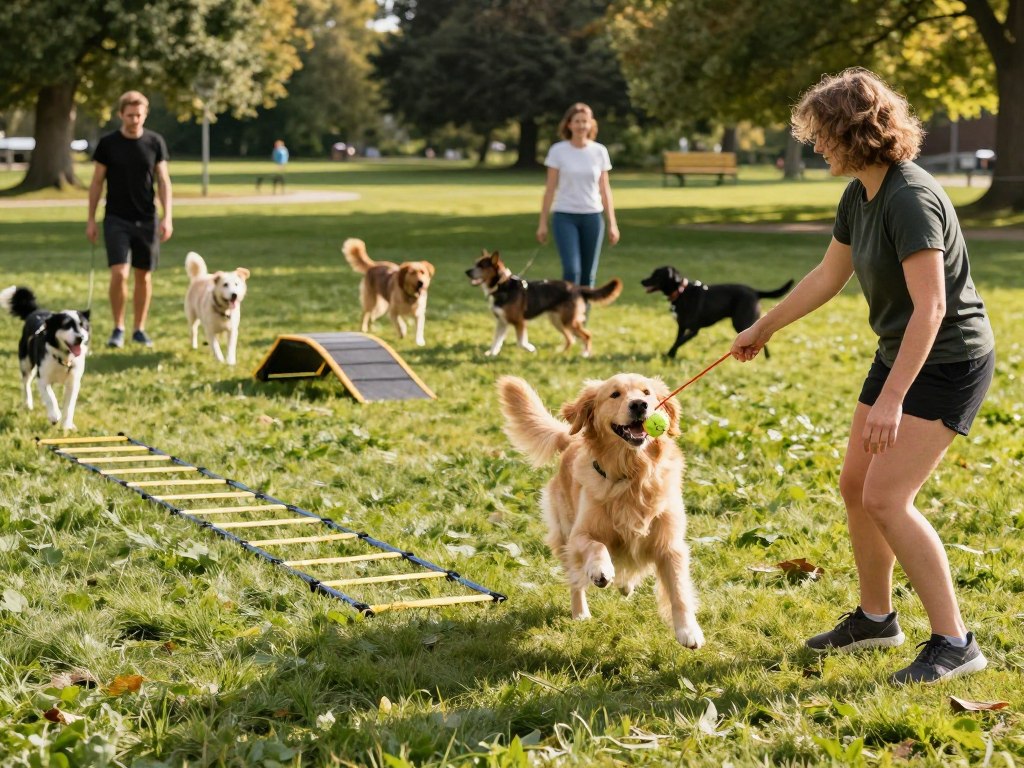
Establishing a reliable dog exercise routine is the cornerstone of a happy, well-adjusted pet. Many owners make the mistake of pushing too hard during the first week, which often leads to burnout or injury. Consistency is far more valuable than high-intensity bursts that you cannot maintain over the long term.
Creating a Weekly Activity Calendar
A structured calendar helps you visualize your goals and ensures your dog gets the right amount of movement. Start by mapping out your week based on your personal schedule and your dog’s specific energy levels. Tracking your progress allows you to adjust the intensity as your pet builds stamina.
When you set realistic goals, you avoid the frustration of missed sessions. Use a simple notebook or a digital app to log daily walks, play sessions, and training drills. This habit keeps you accountable and helps you identify patterns in your dog’s behavior or mood.
Balancing High-Intensity Days with Recovery
Not every day needs to be a marathon session of running or agility training. Your dog exercise routine should include a healthy mix of vigorous activity and gentle recovery days. High-intensity days help burn off excess energy, while recovery days allow muscles to repair and prevent overexertion.
On recovery days, focus on low-impact activities like scent games or short, leisurely sniff-walks. This balance keeps your dog motivated and prevents the physical stress that comes from constant, heavy exertion. Listen to your dog’s cues; if they seem sluggish, prioritize rest over activity.
| Day of Week | Activity Type | Intensity Level |
|---|---|---|
| Monday | Brisk Walking | Moderate |
| Tuesday | Agility/Fetch | High |
| Wednesday | Scent Work | Low (Recovery) |
| Thursday | Hiking | High |
| Friday | Leisurely Walk | Low (Recovery) |
Mental Stimulation for Dogs Through Enrichment Games
Providing mental stimulation for dogs is a game-changer for their overall well-being and happiness. While physical activity keeps their bodies fit, cognitive challenges ensure their minds remain sharp and focused. By incorporating these activities, you can effectively prevent anxiety caused by boredom and restlessness.
Using Puzzle Feeders and Treat-Dispensing Toys
Mealtime is the perfect opportunity to turn a routine event into a rewarding cognitive challenge. Puzzle toys are designed to challenge your dog’s problem-solving abilities and encourage them to think critically to earn their reward.
- Slow feeders: These force dogs to navigate obstacles to reach their kibble.
- Treat-dispensing balls: These require rolling and nudging to release hidden snacks.
- Interactive boards: These involve sliding or lifting compartments to uncover treats.
Scent Work Games to Engage Their Natural Instincts
Dogs experience the world primarily through their noses, making scent-based activities incredibly satisfying. Engaging in these interactive games for dogs allows them to tap into their natural instincts in a controlled and fun environment.
You can easily hide treats around your living room or backyard to create a simple scavenger hunt. This activity builds confidence and provides a deep sense of accomplishment for your pet as they successfully track down their “prey.”
Teaching New Tricks as a Form of Mental Exercise
Training sessions are not just about obedience; they are a fantastic way to provide meaningful mental exercise. Learning a new command requires intense focus and concentration, which tires a dog out just as much as a long walk.
Try teaching your dog complex tricks like “spin,” “roll over,” or “tidy up your toys.” Consistent practice strengthens your bond and keeps your dog’s brain active, ensuring they remain a happy and well-adjusted member of your family.
Effective Dog Training Exercises That Double as Workouts
Elevate your daily exercise by turning standard walks into productive learning opportunities. By integrating dog training exercises into your routine, you can maximize your time while ensuring your pet stays engaged and fit. This dual-purpose approach helps your canine companion thrive both physically and mentally.
Incorporating Sit-Stay-Come Drills into Walks
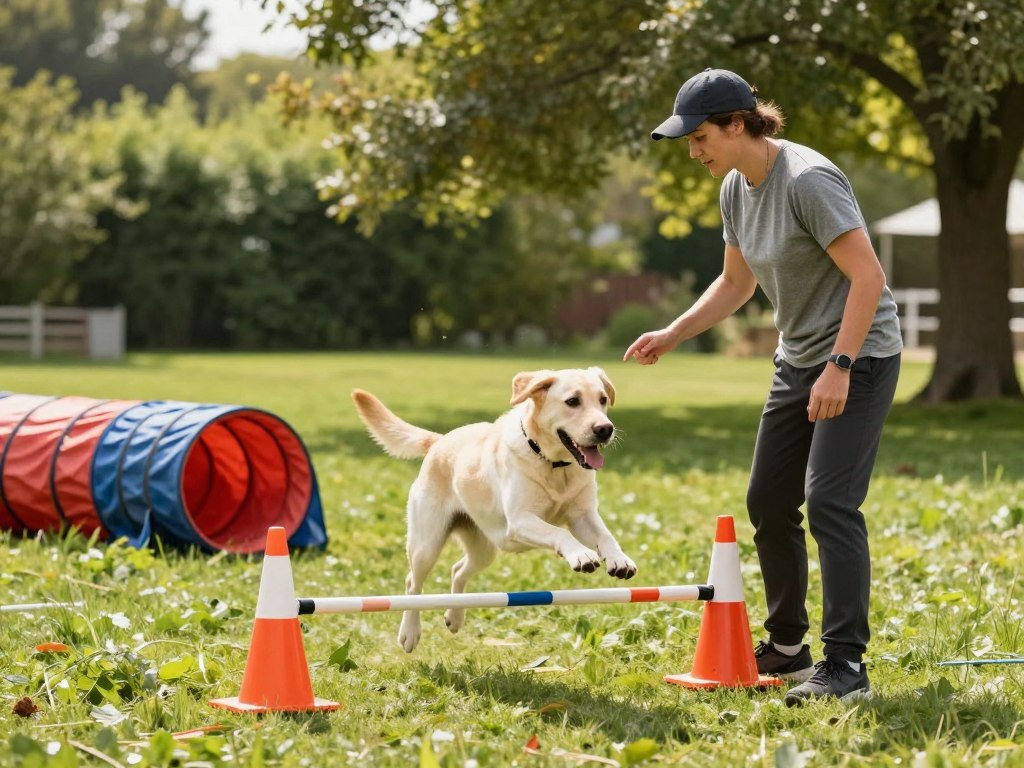
You can easily transform a casual stroll into a high-energy session by adding obedience drills. Asking your dog to sit, stay, and come at various intervals builds discipline and physical endurance. These stops force your dog to switch from a relaxed pace to an active, focused state, which burns extra calories.
Consistency is key when practicing these commands in public spaces. By rewarding your dog with treats or praise during these pauses, you reinforce good behavior while keeping their heart rate elevated. This method is a fantastic way to provide mental stimulation for dogs while they are already on the move.
Using Agility Commands to Build Coordination
Beyond basic obedience, you can use agility-style commands to improve your dog’s focus and body awareness. Directing your dog to weave through trees, jump over small logs, or navigate around park benches challenges their coordination. These dog training exercises require your pet to think critically about their movements.
Engaging in these activities offers several benefits for your active pet:
- Improved focus: Keeps your dog attentive to your cues despite environmental distractions.
- Enhanced coordination: Helps your dog gain better control over their limbs and balance.
- Increased confidence: Mastering new obstacles builds trust and self-assurance in your dog.
- Better bond: Working together as a team strengthens your communication and relationship.
By incorporating these movements, you provide the essential mental stimulation for dogs that prevents boredom. Remember to keep sessions fun and positive to ensure your dog remains eager to learn and move with you every single day.
Low-Impact Physical Activities for Dogs with Joint Issues
If your canine companion struggles with stiff joints, you can still provide plenty of exercise. Choosing the right physical activities for dogs is essential for maintaining mobility without causing unnecessary pain or discomfort.
Focusing on low-impact movement helps your pet stay fit while protecting their skeletal health. These routines are perfect for senior dogs or those recovering from minor injuries.
The Benefits of Canine Hydrotherapy and Swimming
Swimming is a fantastic whole-body workout that takes the weight off your pup’s joints. Because the water supports their body, it allows for movement that would be too painful on hard ground.
Many owners find that hydrotherapy sessions significantly improve their dog’s quality of life. Consider these primary advantages of water-based exercise:
- Reduced joint pressure due to buoyancy.
- Increased muscle tone without high-impact stress.
- Improved circulation and cardiovascular health.
- Safe environment for dogs with limited mobility.
Gentle Stretching and Balance Exercises
You do not always need a pool to keep your dog moving comfortably. There are many indoor activities for dogs that focus on core strength and flexibility through controlled, slow movements.
Simple balance work, such as standing on a slightly uneven surface like a foam pad, helps engage stabilizer muscles. You can also incorporate interactive games for dogs that involve gentle stretching, such as using a treat to lure them into a slow “bow” or a side-to-side reach.
“Consistent, gentle movement is the foundation of long-term joint health for our aging companions.”
Always keep these sessions short and positive to ensure your dog remains comfortable. By prioritizing these low-impact methods, you ensure your pet stays happy and mobile for years to come.
High-Energy Sports and Advanced Physical Activities for Dogs
High-energy breeds often thrive when given a job to do through intense physical activity. When standard walks no longer satisfy their stamina, incorporating advanced physical activities for dogs can help channel their natural drive into productive outlets. These sports not only burn excess energy but also strengthen the bond between you and your pet.
Introduction to Canine Agility Training
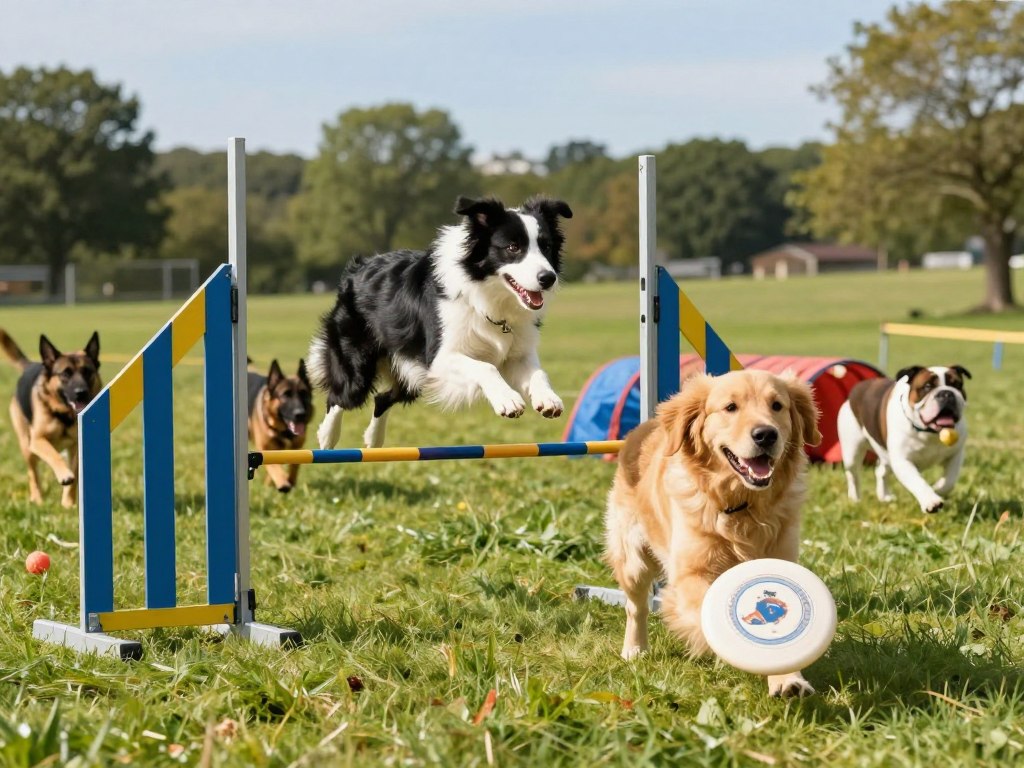
Agility is a fantastic way to challenge your dog both mentally and physically. This sport involves navigating a complex obstacle course that includes items such as a seesaw, tunnels, weave poles, and jumps. It requires precise communication and trust, making it one of the most rewarding dog training exercises available today.
You can start by setting up simple backyard obstacles to gauge your dog’s interest. As they master each piece of equipment, you will notice an increase in their coordination and focus. It is a highly engaging way to keep your active dog sharp and satisfied.
Participating in Dock Diving and Flyball
If your dog loves the water, dock diving is an exhilarating sport where they jump from a platform into a pool to retrieve a toy. It is a low-impact yet high-intensity activity that builds incredible muscle tone. Many dogs find the thrill of the leap to be the ultimate reward.
Alternatively, flyball is a fast-paced relay race that appeals to dogs with a strong fetch drive. Teams of dogs race over hurdles to trigger a spring-loaded box that releases a ball. This sport is perfect for social dogs who enjoy working in a team environment.
Canicross and Running with Your Dog
For owners who love to stay active, canicross is a growing trend that involves cross-country running with your dog attached to a specialized harness. It is one of the most effective outdoor activities for dogs that allows you to share your fitness journey. This activity turns a standard jog into a collaborative effort that keeps both you and your pet in peak condition.
Always ensure you have the right gear, such as a bungee leash, to prevent sudden jerks. Start with shorter distances to build your dog’s endurance gradually. With the right preparation, running together becomes a cherished routine that satisfies your dog’s need for speed and exploration.
Safety Precautions for Every Dog Exercise Session
Protecting your dog during exercise requires attention to detail and proactive care. Whether you are training in the backyard or exploring new trails, your pet’s well-being must remain the top priority. Engaging in outdoor activities for dogs is a wonderful way to bond, provided you stay vigilant about environmental factors.
Hydration and Temperature Management
It is vital to remember that dogs do not sweat like humans do. Instead, they rely primarily on panting to regulate their internal body temperature. Because of this, they are much more susceptible to heat exhaustion during intense physical exertion.
Always carry fresh water and a portable bowl whenever you head out. If you notice your dog panting excessively, slowing down, or appearing lethargic, stop the activity immediately. Finding a shaded area to rest is essential to prevent overheating during your favorite outdoor activities for dogs.
“The best way to ensure a long, happy life for your canine companion is to treat every exercise session as a partnership built on safety and mutual awareness.”
Checking Paw Pad Health After Outdoor Play
After you finish your session, take a moment to inspect your dog’s paws. Rough terrain, hot pavement, or sharp debris can cause minor cuts and irritation that might go unnoticed at first. Gently cleaning their pads helps you catch potential issues before they become painful problems.
If you notice any redness, swelling, or limping, provide your dog with extra rest. Consistent monitoring of paw health is a simple yet effective habit for any owner. The following table outlines key safety checks to perform after engaging in outdoor activities for dogs.
| Safety Factor | Action Required | Frequency |
|---|---|---|
| Hydration | Offer water breaks | Every 15 minutes |
| Paw Pads | Check for debris | After every outing |
| Temperature | Monitor panting | Continuous |
| Energy Levels | Watch for fatigue | During activity |
Adapting Activities for Different Dog Breeds and Ages
Every dog has a unique journey through life, and their exercise needs change as they grow. Understanding these shifts is crucial for long-term health and preventing unnecessary strain on their bodies. By modifying your approach, you ensure that your pet remains happy and mobile for years to come.
Tailoring Exercise for Puppies and Growing Joints
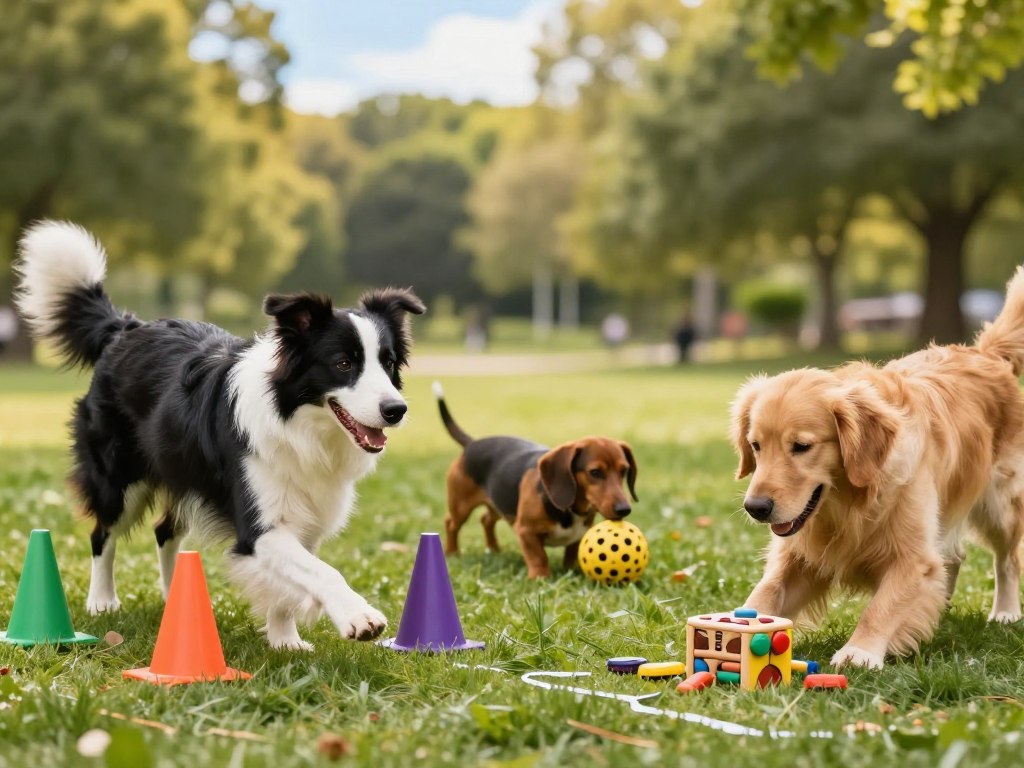
Puppies are bundles of energy, but their skeletal systems are still developing. It is vital to avoid high-impact activities like jumping or long-distance running, which can damage soft growth plates. Instead, focus on short, frequent play sessions that allow for plenty of rest.
You can incorporate gentle dog training exercises to burn off excess energy without overworking their joints. Simple commands like “sit” or “stay” in short bursts provide excellent engagement. Always keep these sessions brief to prevent physical fatigue while building a strong foundation for obedience.
Adjusting Intensity for Senior Dogs
As dogs enter their golden years, their pace naturally slows down. While they may not be ready for a marathon, they still benefit greatly from regular, low-impact movement. Gentle walks on soft surfaces like grass are much kinder to aging joints than hard pavement.
You should also prioritize mental stimulation for dogs to keep their minds sharp without requiring intense physical exertion. Scent games or puzzle toys are perfect alternatives to high-energy play. These dog training exercises can be performed indoors, allowing your senior companion to stay active and engaged in a comfortable environment.
| Life Stage | Activity Focus | Intensity Level | Key Consideration |
|---|---|---|---|
| Puppy | Short play bursts | Low to Moderate | Protect growth plates |
| Adult | Endurance & Sports | High | Consistent routine |
| Senior | Mental & Gentle | Low | Joint comfort |
Common Mistakes to Avoid During Dog Exercise
Maintaining a healthy dog exercise routine requires more than just enthusiasm; it demands careful attention to detail. Even the most well-meaning owners can occasionally overlook factors that impact their pet’s physical well-being. By staying informed, you can ensure that every session remains both productive and safe for your furry friend.
Avoiding Over-Exercising After Meals
One of the most critical rules for pet owners is to avoid vigorous activity immediately after a meal. Allowing your dog to run or jump right after eating can lead to serious health complications, most notably gastric dilatation-volvulus, commonly known as bloat. This condition is a medical emergency that requires immediate veterinary intervention.
Instead of heading straight to the park, wait at least one to two hours after feeding before starting any intense play. If you need to keep them occupied during this digestion window, consider low-energy indoor activities for dogs, such as gentle scent games or puzzle toys. These options provide mental engagement without putting unnecessary strain on their digestive system.
The Dangers of Ignoring Behavioral Cues
Your dog communicates their physical state through subtle body language that you should never ignore. Signs like excessive panting, lagging behind, or refusing to move are clear indicators that your pet has reached their limit. Pushing through these signals can lead to exhaustion, muscle strain, or even long-term joint injuries.
Always prioritize your dog’s comfort over hitting a specific distance or time goal. If you notice your pet acting lethargic or showing signs of stress, stop the activity immediately and allow for a cooling-off period. Being attentive and responsive to these cues is the hallmark of a responsible owner who values their dog’s long-term vitality.
| Activity Type | Best Time to Perform | Risk Level |
|---|---|---|
| High-Intensity Running | Before meals | High |
| Indoor Puzzle Games | Anytime | Low |
| Leash Walking | Post-digestion | Low |
| Agility Training | Before meals | Moderate |
Conclusion
Active living with your pet creates a deeper connection that lasts a lifetime. Prioritizing dog exercise & activities transforms daily chores into moments of joy and discovery. You gain a healthier companion while improving your own physical fitness levels.
Consistency remains the secret to long-term success. Establishing a reliable dog exercise routine helps your pet feel secure and balanced throughout the week. Small adjustments to your schedule yield big results for your dog’s mood and overall vitality.
Brands like Kong or Chuckit! offer excellent tools to keep these sessions fresh and exciting. Use these resources to explore new games that challenge your dog’s mind and body. Every walk or play session serves as an investment in your pet’s future happiness.
Listen closely to your dog during every outing. Adjust your intensity based on their energy levels and physical feedback. Your commitment to this active lifestyle ensures many years of shared adventures and vibrant health.
FAQ
What are some fun ways to exercise your dog besides walking?
What are the best outdoor activities for dogs during the summer?
How can I create a sustainable dog exercise routine?
What are the most effective indoor activities for dogs when it rains?
Why is mental stimulation for dogs just as important as physical movement?
Are there specific dog training exercises that improve physical fitness?