

Did you know that over 60% of first-time pet parents feel overwhelmed during their first month of ownership? Welcoming a canine companion into your residence is a life-changing event that requires careful planning. Preparation is the secret to ensuring a smooth transition for both your family and your furry friend.
Utilizing a structured puppy adoption checklist helps minimize stress and creates a welcoming environment immediately. By organizing your supplies and space, you set the stage for a healthy bond. This guide serves as a vital resource for anyone bringing a puppy home for the first time. Following this puppy checklist for new owners ensures that no essential detail is overlooked during those critical first thirty days.
Key Takeaways
- Prioritize essential supplies to reduce initial stress.
- Create a designated safe space for your pet.
- Establish a consistent routine from day one.
- Focus on positive reinforcement for training success.
- Schedule a veterinary visit early to ensure health.
Preparing Your Home for a New Arrival
Preparing for a new puppy involves more than just buying toys; it requires a complete home safety audit. By taking these steps early, you create a welcoming environment that allows your pet to explore without unnecessary risks.
Puppy-Proofing Every Room
Curiosity is natural for young dogs, but it can lead to dangerous situations. You must secure your living space to prevent accidents and destructive chewing habits before they start.
Consider these essential steps when preparing for a new puppy:
- Install baby gates to block off stairs or rooms that are off-limits.
- Remove or elevate all toxic houseplants that could harm your pet if ingested.
- Use cord protectors or hide electrical wires to prevent dangerous chewing incidents.
- Store cleaning supplies and chemicals in high cabinets or locked cupboards.
Creating a Safe Den Space
Every puppy needs a sanctuary where they can retreat when they feel overwhelmed or tired. Establishing a dedicated den space provides your new companion with a secure base to call their own.
Whether you choose a crate or a quiet corner, this area should be comfortable and free from household traffic. This proactive approach helps your puppy feel safe while they adjust to their new surroundings. Consistency is key when helping your pet understand their boundaries and finding comfort in their own private spot.
Essential Feeding Supplies for Growing Pups
Your puppy’s growth journey begins with the right nutrition and reliable feeding equipment. Building a solid foundation for your pet starts with a well-planned puppy supplies checklist that prioritizes their long-term health and development.
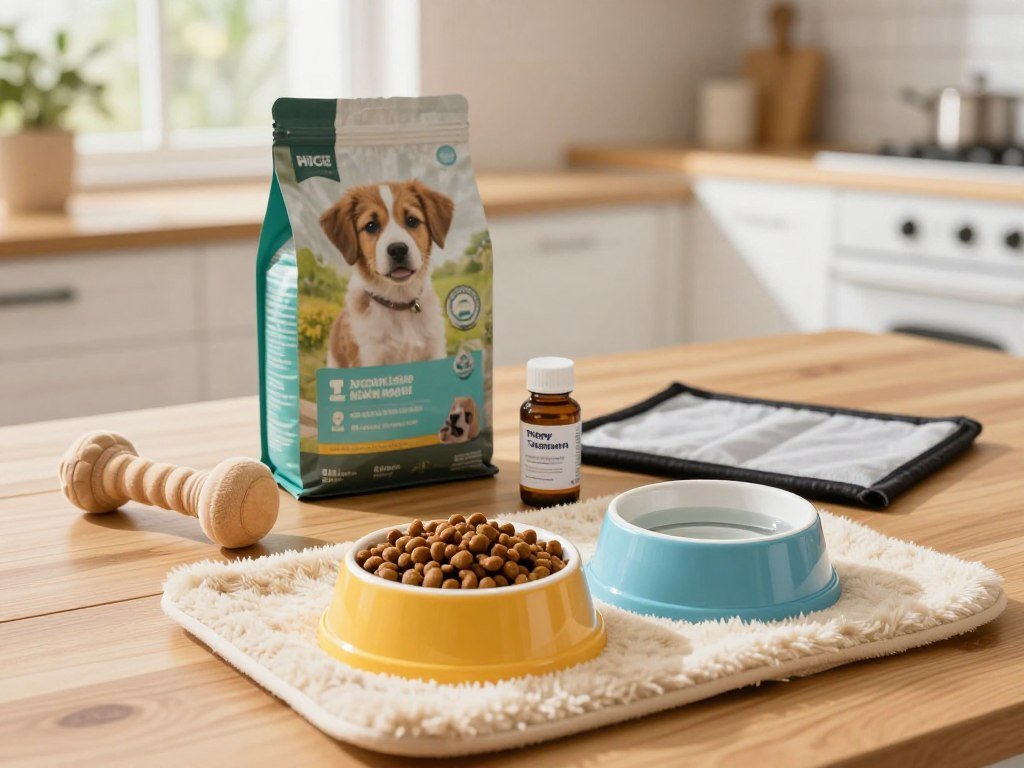
Choosing the Right Puppy Food
Providing a balanced, age-appropriate diet is one of the most critical aspects of your care routine. You should always consult with your veterinarian to select high-quality food that meets the specific nutritional requirements for your breed and size.
These essential puppy supplies help ensure your dog receives the vitamins and minerals needed for healthy bone and muscle growth. Remember that consistency is key to a happy pet.
- Follow a strict feeding schedule to support digestion.
- Look for labels specifically formulated for “puppy growth.”
- Avoid sudden changes in diet to prevent stomach upset.
Selecting Durable Food and Water Bowls
When it comes to must-have puppy items, the quality of your feeding bowls matters significantly. Choosing durable materials ensures that your puppy stays safe while eating and drinking throughout their developmental stages.
Stainless steel or ceramic bowls are highly recommended for their hygiene and longevity. Unlike plastic, these materials do not harbor bacteria in small scratches, making them a smarter choice for your home.
“A consistent feeding routine not only supports physical health but also provides a sense of security for a young puppy adjusting to a new environment.”
By investing in high-quality bowls, you reduce the risk of spills and keep your feeding area clean. This simple step makes the transition to their new home much easier for both you and your furry companion.
The Ultimate New Puppy Checklist: Everything You Need Before Bringing a Puppy Home
Your new puppy checklist should prioritize health and hygiene from day one. Establishing a consistent routine early on helps your pet feel secure and comfortable with being handled. This proactive approach is a vital part of puppy care essentials that fosters a strong, trusting bond between you and your new companion.
Must-Have Grooming Tools
Grooming is not just about keeping your puppy looking sharp; it is a health necessity. You should invest in a high-quality slicker brush or a comb suitable for your puppy’s specific coat type. Regular brushing prevents painful mats and allows you to check for skin irritations or parasites.
Nail trimming is another critical skill to master early. Using specialized puppy nail clippers helps you maintain a safe length, preventing discomfort while walking. Always keep styptic powder on hand just in case you accidentally trim a nail too short.
| Tool Type | Purpose | Frequency |
|---|---|---|
| Slicker Brush | Removing loose fur | Daily |
| Nail Clippers | Preventing overgrowth | Bi-weekly |
| Puppy Shampoo | Skin and coat health | As needed |
Health and Hygiene Essentials
Beyond external grooming, maintaining your puppy’s internal health is paramount. You will need a soft-bristled toothbrush and enzymatic toothpaste designed specifically for dogs. Starting this habit early makes dental care much easier as your puppy grows into an adult.
“Regular grooming sessions are the perfect time to perform a quick health check, ensuring your puppy stays happy and comfortable.”
Do not forget to include ear cleaning solutions and gentle wipes in your puppy care essentials kit. These items help you keep your puppy’s ears clean and free from debris. By keeping these supplies organized, you ensure that you are always prepared to provide the best care for your new friend.
Comfort and Sleep Arrangements
Setting up the right sleeping area is a vital part of your list of essential puppy supplies. A dedicated, quiet space helps your new companion feel secure while they adjust to their new environment. By providing a consistent place to rest, you encourage healthy sleep habits and reduce anxiety during the transition period.
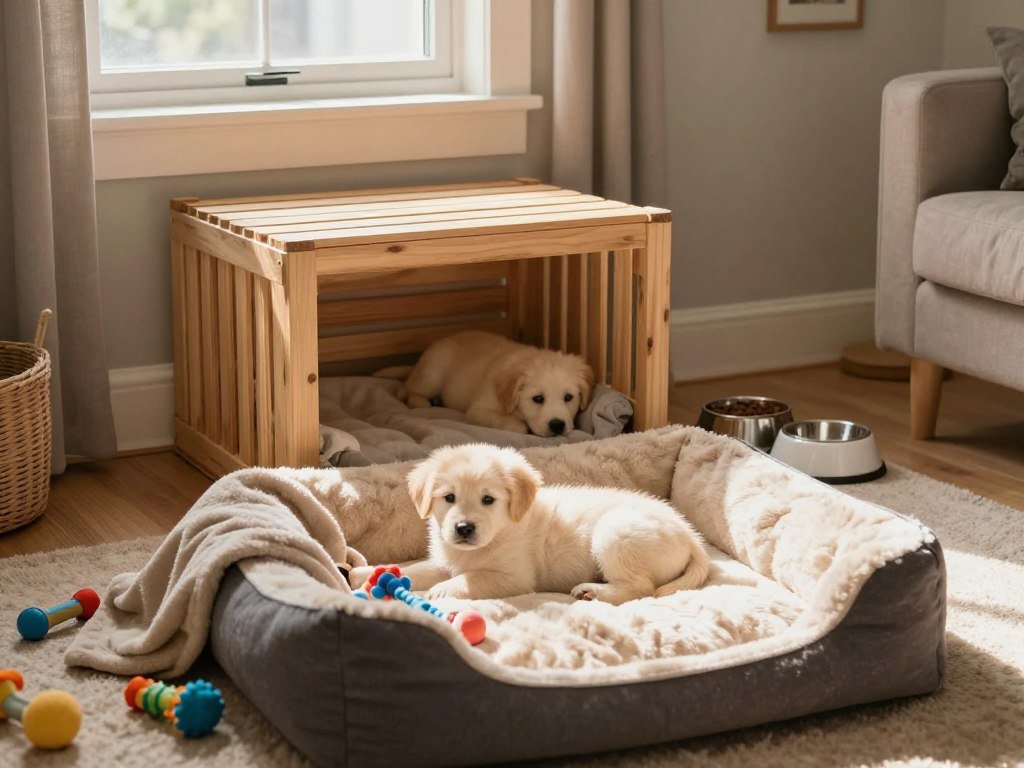
Selecting the Perfect Crate
A crate acts as a safe, den-like sanctuary for your puppy. When choosing a crate, ensure it is large enough for your dog to stand, turn around, and lie down comfortably. Many owners prefer models with a divider panel, which allows you to adjust the space as your puppy grows.
Place the crate in a low-traffic area of your home to minimize household distractions. This consistency is one of the most effective essential puppy supplies strategies for successful house training. Always keep the door open initially so your puppy can explore the space at their own pace.
Choosing Comfortable Bedding
Selecting the right bedding is just as important as the crate itself. Look for materials that are durable and machine-washable, as accidents are a normal part of the early training phase. Avoid beds with loose buttons or zippers that could pose a choking hazard to a curious pup.
Consider using waterproof liners or pads to protect the crate floor during the first few months. Providing a soft, cozy surface makes the crate feel inviting and reinforces it as a positive place for rest. These essential puppy supplies will help your puppy settle in quickly and comfortably.
| Item Type | Primary Benefit | Maintenance Level |
|---|---|---|
| Wire Crate | Ventilation and Visibility | Easy to Wipe Down |
| Plastic Kennel | Enclosed and Secure | Requires Occasional Scrubbing |
| Washable Mat | Softness and Comfort | Machine Washable |
| Orthopedic Bed | Joint Support | Spot Clean or Removable Cover |
Training Gear for Success
Equipping yourself with the proper training supplies makes teaching your puppy basic commands much easier. Investing in high-quality equipment is one of the most essential puppy supplies decisions you will make as a new owner. These tools help you establish clear communication and ensure your puppy stays safe while learning new skills.
Leashes and Collars for Training
A properly fitted collar or harness is the foundation of your training toolkit. You should look for options that are comfortable for your puppy but secure enough to prevent slipping. Consistency is key when choosing a leash, so opt for a sturdy, fixed-length lead rather than a retractable one.
Fixed-length leashes provide better control during walks and help your puppy learn to walk by your side. This setup is vital for safety and helps your dog understand boundaries in public spaces. Always check the fit of the collar regularly as your puppy grows to ensure it remains comfortable.
Positive Reinforcement Treats
Using positive reinforcement is the most effective way to encourage good behavior. When your puppy follows a command like “sit” or “stay,” offering a small, tasty treat reinforces that action immediately. This reward-based method turns training into a fun and engaging experience for your new companion.
Keep your training sessions short and frequent to maintain your puppy’s focus. High-value treats can be a great motivator, but remember to account for these calories in their daily diet. By keeping your approach positive, you strengthen the bond between you and your pet while teaching them essential life skills.
| Training Tool | Primary Benefit | Best For |
|---|---|---|
| Fixed-Length Leash | Better Control | Walking & Heeling |
| Flat Collar | ID Attachment | Daily Wear |
| Training Treats | Positive Motivation | Learning Commands |
| Training Harness | Reduced Neck Strain | Leash Training |
Toys for Mental Stimulation and Teething
Providing the right toys is one of the most important steps in raising a happy, well-adjusted dog. Because puppies are naturally curious and go through a painful teething phase, having a variety of must-have puppy items on hand is essential for their comfort and your peace of mind.
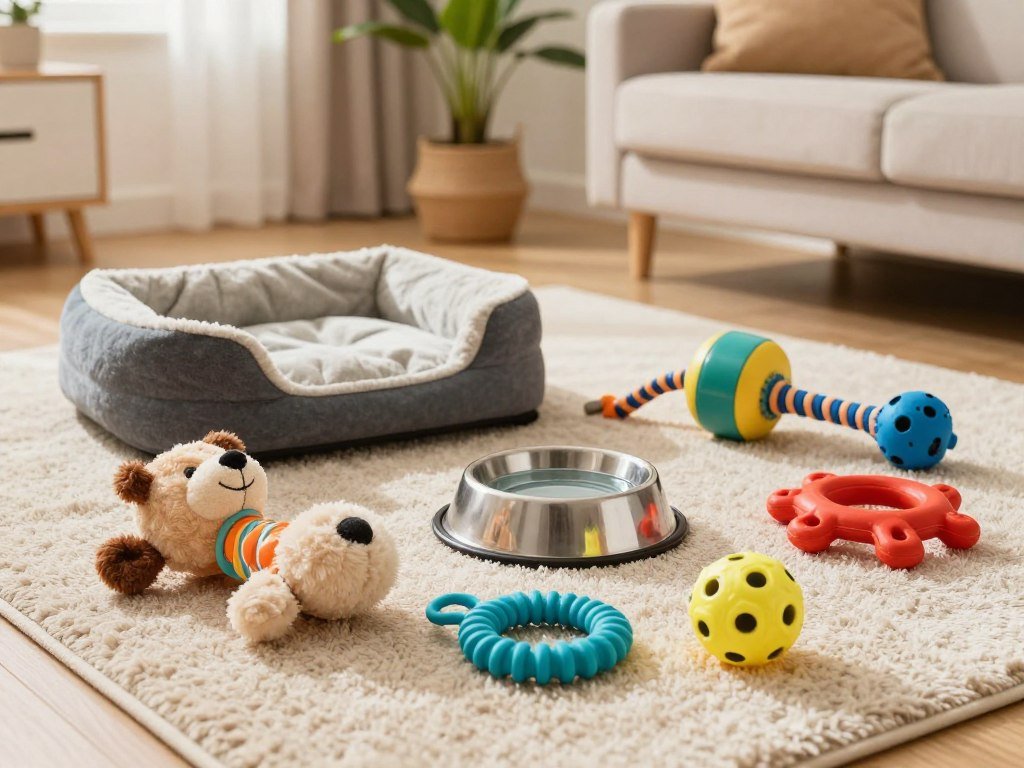
Safe Chew Toys for Puppies
During the teething stage, your puppy will feel a strong urge to gnaw on anything they can find. Investing in durable rubber chew toys is a smart way to soothe their sore gums while protecting your furniture and shoes from damage.
Look for toys specifically designed for puppies that are soft enough to be gentle on their developing teeth but tough enough to withstand constant chewing. These must-have puppy items serve as a healthy outlet for their natural instincts, helping them learn what is appropriate to bite.
Interactive Puzzle Toys
Physical exercise is only half the battle when raising a smart pup. Interactive puzzle toys provide the necessary mental stimulation to keep your dog engaged and prevent destructive boredom.
These toys challenge your puppy to solve problems to earn a treat, which builds their confidence and focus. To keep your puppy excited, rotate their toy collection weekly. By swapping out the toys they have access to, you ensure that every play session feels fresh, exciting, and rewarding for your growing companion.
Transportation and Travel Safety
Secure transportation is a key component of your bringing home a new puppy checklist. Whether you are driving to the vet or heading to a local park, keeping your pet restrained is essential for their protection. When you are bringing a puppy home for the first time, planning for these trips early on makes the experience much less stressful for both of you.
Car Harnesses and Seat Belts
A high-quality car harness is a fantastic way to keep your dog secure while allowing them to sit or lie down comfortably. These devices attach directly to your vehicle’s seat belt system, preventing your puppy from roaming around the cabin. Using a harness significantly reduces the risk of injury during sudden stops or sharp turns.
Portable Travel Crates
For many owners, a portable travel crate offers the most peace of mind during car rides. A sturdy crate provides a confined, den-like space that helps your puppy feel safe in a moving environment. Ensuring your puppy is contained prevents them from becoming a distraction to the driver, which is vital for everyone’s safety on the road.
When selecting a crate, make sure it is well-ventilated and properly secured to the vehicle seat. This simple addition to your gear ensures that your new companion remains calm and protected throughout every journey.
Establishing a Veterinary Care Routine
One of the most vital tasks when you welcome a new dog is establishing a professional medical relationship. Proactive care is the foundation of a long, happy life for your furry friend. Including a vet visit in your bringing home a new puppy checklist ensures that any underlying issues are caught early.
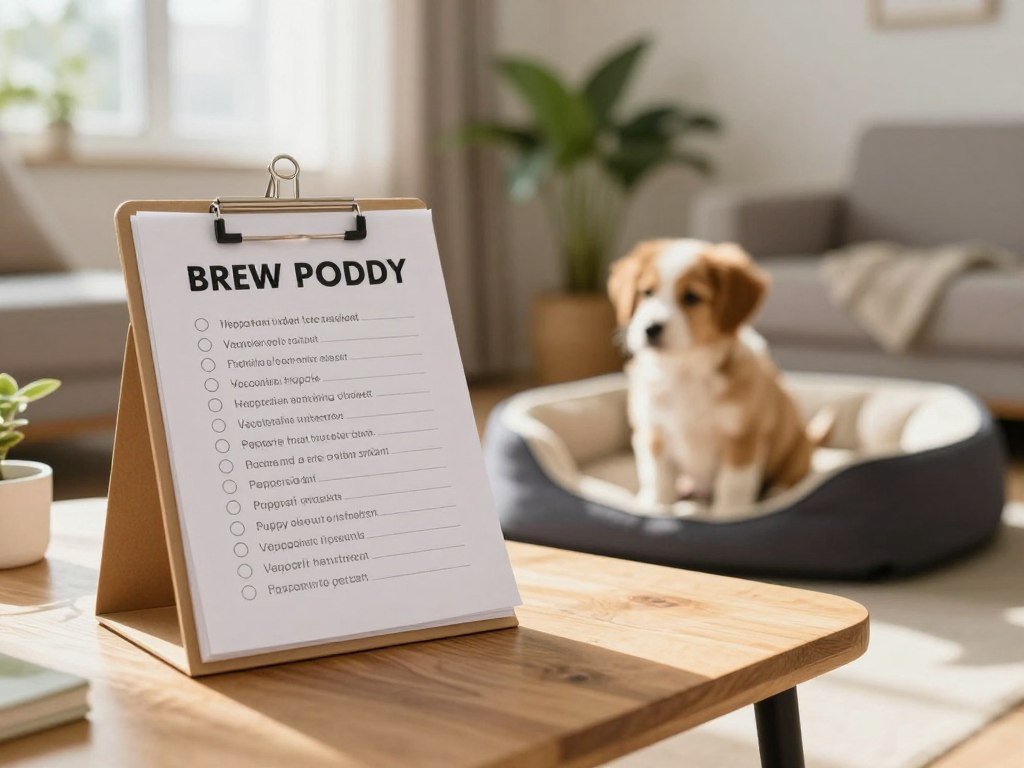
Finding a Local Veterinarian
Start your search by looking for clinics with positive reviews and convenient hours. It is helpful to visit the facility in person to see if the staff is welcoming and the environment is clean. A great vet will listen to your concerns and explain medical procedures in a way that is easy to understand.
Ask friends or neighbors for recommendations to find a trusted professional. Once you choose a clinic, schedule an initial wellness exam within the first week of your puppy’s arrival. This visit allows the doctor to establish a baseline for your pet’s health and provides you with a point of contact for future emergencies.
Understanding Vaccination Schedules
Vaccinations are essential for protecting your puppy from common, preventable diseases. Your veterinarian will create a customized plan based on your puppy’s age, breed, and lifestyle. Keeping a detailed record of these shots is a critical part of your bringing home a new puppy checklist.
During your appointments, the vet will also discuss parasite prevention and general wellness milestones. Staying organized with these records helps you track growth and ensures your pet stays on schedule for boosters. Refer to the table below for a general overview of what to expect during your first few months of care.
| Age Range | Primary Focus | Key Action |
|---|---|---|
| 8-10 Weeks | Initial Wellness Exam | Core Vaccinations |
| 12-14 Weeks | Booster Shots | Parasite Screening |
| 16-18 Weeks | Final Puppy Series | Rabies Vaccination |
| 6 Months | Growth Assessment | Spay/Neuter Consult |
Maintaining this routine is the best way to support your dog’s development. By following these steps, you ensure that your bringing home a new puppy checklist leads to a lifetime of wellness.
Puppy Socialization and Early Training
Early socialization is a critical component of your puppy adoption checklist that ensures long-term success. The period between 3 and 12 weeks of age represents a vital window for your pet to learn about the world. During this time, your puppy is highly impressionable and ready to absorb new experiences.
The Importance of Early Exposure
Exposing your puppy to various people, sounds, and environments in a controlled manner helps them become a well-adjusted adult. This process significantly reduces future anxiety and builds lasting confidence. When your puppy encounters new stimuli in a positive way, they learn that the world is a safe and interesting place.
“The goal of socialization is not just to expose the puppy to everything, but to ensure those experiences are positive and stress-free.”
Basic Commands to Start Immediately
You should begin teaching basic commands like “sit” and “come” right away to establish clear communication. These simple cues create a strong foundation for obedience and safety as your dog grows. Consistent practice during daily interactions helps your puppy understand what you expect from them.
By focusing on these early lessons, you are effectively completing another essential step in your puppy adoption checklist. Remember that patience and consistency are your best tools during these initial training sessions. Every positive interaction you share helps foster a deeper bond and sets the stage for a lifetime of good behavior.
Managing Puppy Potty Training
Mastering housebreaking is one of the most important tasks on your puppy checklist for new owners. While it requires significant patience, staying consistent will help your furry friend learn the rules of your home much faster.
Setting Up a Potty Schedule
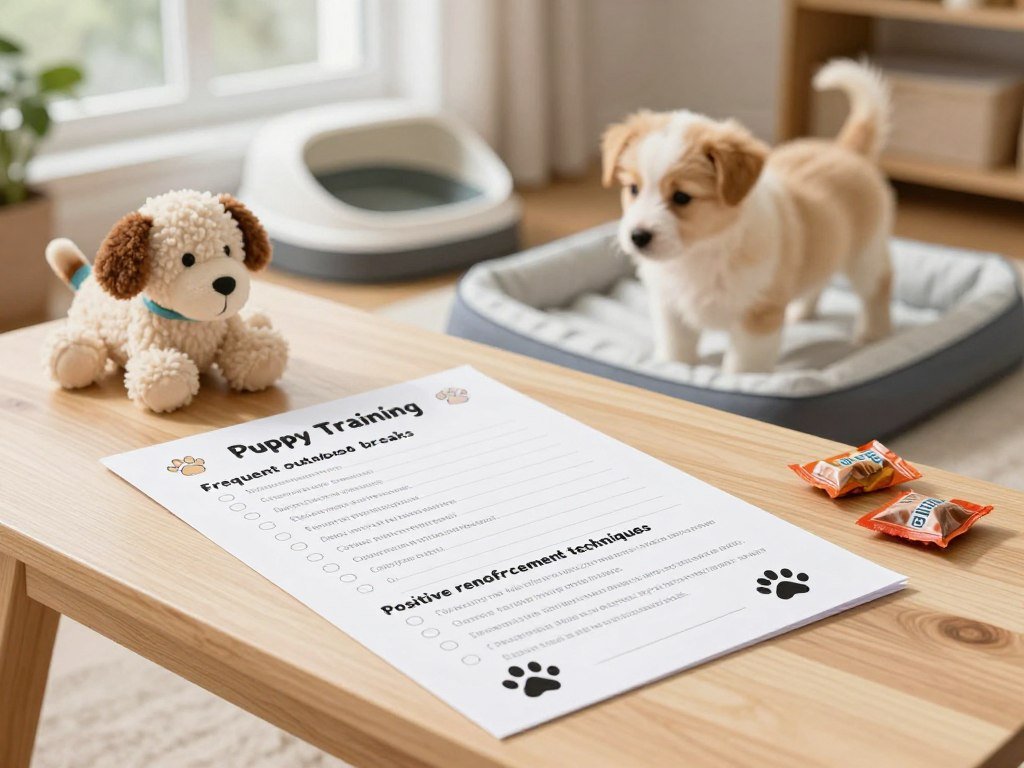
The most effective way to prevent accidents is to establish a predictable routine. You should take your puppy outside immediately after they wake up, finish a meal, or complete an intense play session.
Puppies have small bladders and limited control, so frequent trips are essential for success. By keeping a strict schedule, you help your pet understand exactly when and where they are expected to go.
| Activity Trigger | Action Required | Frequency |
|---|---|---|
| Morning Wake-up | Immediate outdoor trip | Once daily |
| Post-Meal | Wait 15-20 minutes | 3-4 times daily |
| After Playtime | Immediate outdoor trip | As needed |
| Before Bedtime | Final outdoor trip | Once daily |
Cleaning Supplies for Accidents
Even with the best intentions, accidents will happen during the training process. When they do, it is vital to remain calm and avoid punishment, as this can create anxiety for your pet.
You must use enzyme cleaners to manage these mishaps effectively. Unlike standard household soaps, these specialized cleaners break down the proteins in urine to remove odors completely.
Removing the scent is a critical step in your puppy checklist for new owners. If a lingering smell remains, your puppy will likely return to the same spot, which can stall your progress significantly.
Safety and Identification Essentials
Beyond toys and treats, your puppy supplies checklist must prioritize safety and identification. While we hope our pets never wander off, having a solid plan in place provides peace of mind. Taking these proactive steps ensures that you are ready for the unexpected moments that come with raising a young dog.
Microchipping and ID Tags
A collar with a sturdy ID tag is your first line of defense if your puppy gets lost. This tag should clearly display your current phone number and address. However, tags can sometimes fall off or become unreadable over time.
This is why microchipping is a vital addition to your puppy supplies checklist. A microchip is a tiny electronic device, about the size of a grain of rice, that contains a unique identification number. If your puppy is found, a veterinarian or shelter can scan the chip to access your contact information and reunite you with your pet.
“The best way to ensure your pet returns home safely is to combine a visible ID tag with a permanent microchip.”
Pet First Aid Kits
Being prepared for minor injuries at home is just as important as outdoor safety. A well-stocked pet first aid kit allows you to handle small scrapes or emergencies before you can reach a professional. You should keep these items organized and easily accessible in your home:
- Sterile gauze pads and adhesive tape for minor wounds.
- A digital thermometer designed for pets.
- Antiseptic wipes to clean small cuts.
- Tweezers for removing splinters or ticks.
- A copy of your veterinarian’s contact information.
By including these safety items in your initial puppy supplies checklist, you create a secure environment for your new companion. Remember that consistent care and preparation are the foundations of a happy, healthy life together. Staying organized now will help you handle any situation with confidence.
Budgeting for Your New Puppy
Financial preparation is a vital, yet often overlooked, component of your new puppy checklist. While the initial excitement of bringing a furry friend home is overwhelming, taking a moment to organize your finances will pay off in the long run. Responsible pet ownership starts with a clear understanding of the costs involved in raising a healthy dog.
Anticipating Recurring Costs
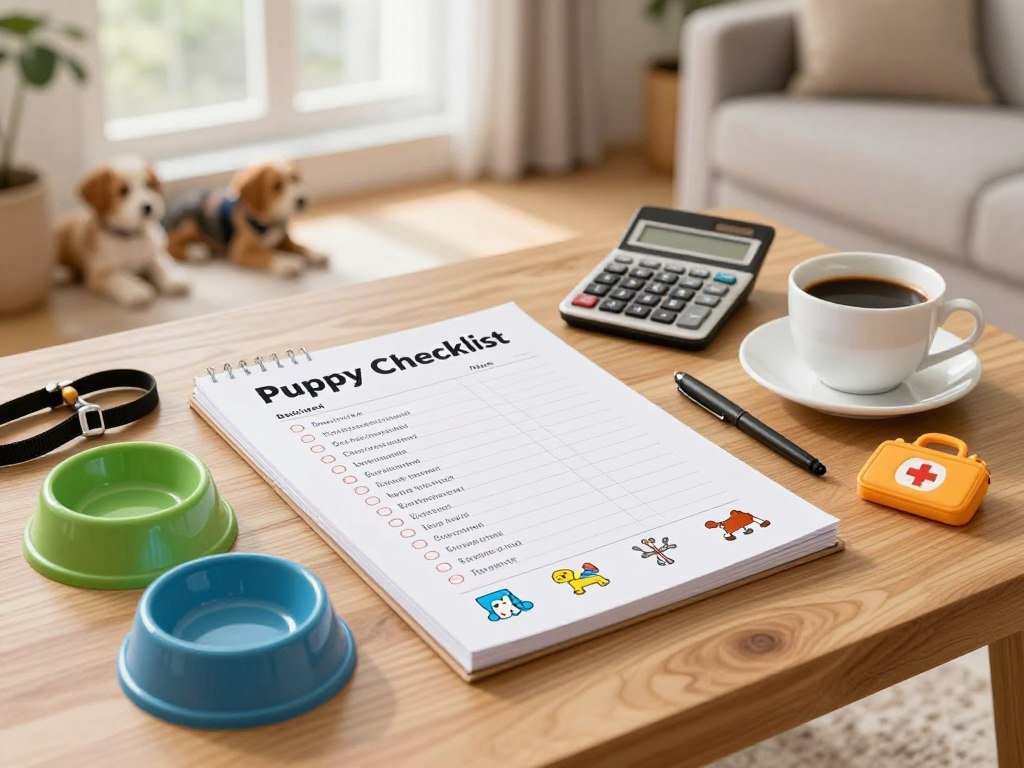
Beyond the one-time purchases like crates and leashes, you must account for monthly expenses. High-quality nutrition, routine vaccinations, and consistent flea and tick prevention are essential for your puppy’s development. These costs can add up quickly, so it is wise to build them into your monthly household budget.
You should also consider the price of professional grooming or training classes if you plan to use those services. Keeping a detailed log of these expenses helps you stay on track and ensures your pet never misses a necessary appointment. Consistency is key when managing the ongoing needs of a growing animal.
Emergency Fund Planning
Even with the best care, unexpected health issues can arise at any time. Setting aside an emergency fund or investing in comprehensive pet insurance provides peace of mind during stressful moments. This financial safety net ensures that you can always afford the best medical care for your companion.
“The best way to predict your future with a pet is to prepare for it today through smart financial planning.”
When you have a solid plan in place, you can focus on the joy of bonding with your dog rather than worrying about bills. Incorporating these financial steps into your new puppy checklist allows you to provide a stable and loving environment. Being prepared is the ultimate act of love for your new family member.
Building a Bond Through Play and Routine
Your journey toward a lifelong friendship begins the moment you establish a predictable rhythm for your puppy. By creating a stable environment, you provide the security your pet needs to thrive. These consistent habits are fundamental puppy care essentials that help your new companion feel safe and confident in their new home.
Establishing Daily Routines
A predictable schedule is the secret to a well-behaved dog. When you set specific times for meals, outdoor play, and quiet naps, your puppy learns exactly what to expect throughout the day. This structure reduces anxiety and helps them understand the boundaries of their new world.
Consistency is vital for success. Try to keep your wake-up and bedtime hours steady, as this helps regulate your puppy’s internal clock. Integrating these puppy care essentials into your daily life will make training much easier and more effective for both of you.
Quality Time and Bonding Activities
Beyond the basics of feeding and walking, meaningful interaction is what truly builds trust. Dedicating time to play games like fetch or gentle tug-of-war creates a positive association with your presence. These moments of joy are the building blocks of a deep, lasting affection.
Grooming sessions and short, positive training exercises also serve as excellent bonding opportunities. When you handle your puppy with care, you teach them to trust your touch and guidance. Remember that these puppy care essentials are not just chores; they are the foundation of a beautiful, lifelong partnership with your furry friend.
Conclusion
Bringing a new puppy home marks the start of a life-changing adventure. Dedication and patience remain the most important tools in your kit while preparing for a new puppy.
You have gathered the essential supplies and organized your living space. These steps provide a solid foundation for your pet to thrive. Your commitment to a consistent routine helps your dog feel secure in a new environment.
Focus on building a strong bond through daily play and positive reinforcement. Every interaction shapes the personality of your growing companion. Proper planning makes the process of preparing for a new puppy much smoother for everyone involved.
Stay observant of your dog as they learn the rules of your household. Small adjustments to your schedule often lead to better behavior and deeper trust. Enjoy the unique personality of your pet as they settle into their forever home.
Share your experiences with other pet owners in your local community. Engaging with fellow dog lovers provides extra support and fresh ideas for your training journey. Your path to a happy life with your dog begins with these thoughtful choices.
FAQ
What are the absolute must-have puppy items for the first 24 hours?
How can I make bringing a puppy home less stressful for the dog?
What should be on my puppy adoption checklist regarding health?
Why is a puppy checklist for new owners important for safety?
What are the best essential puppy supplies for a teething pup?