
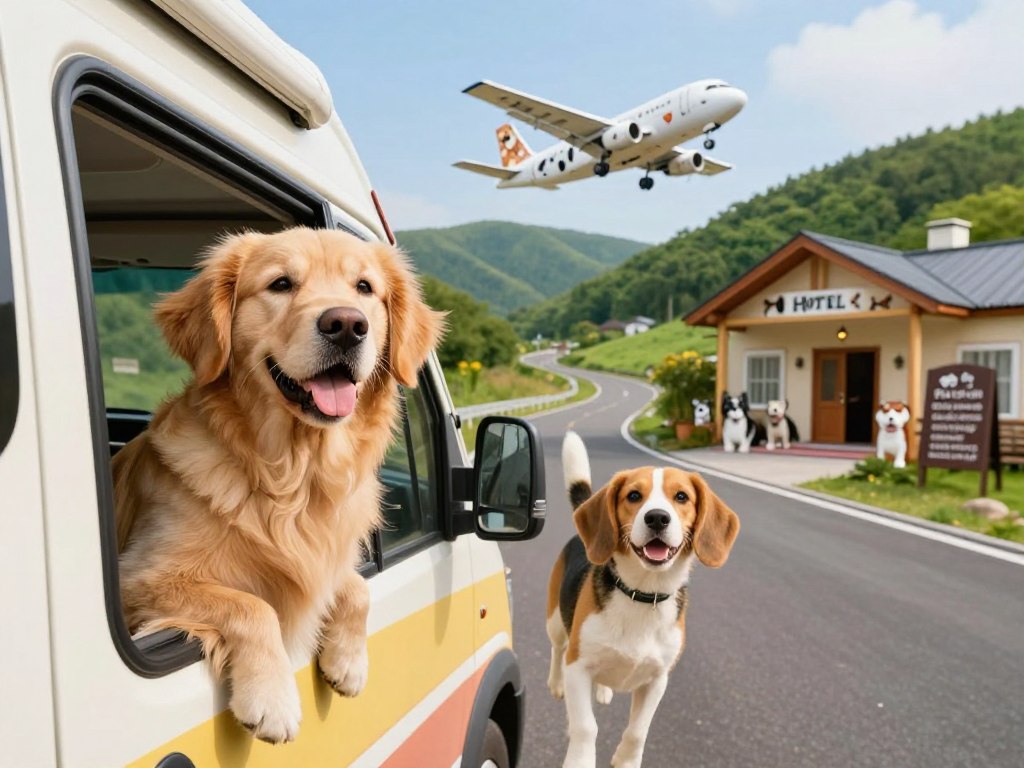
Did you know that over 70% of American households now include a furry companion in their vacation plans? Bringing your canine along can turn a standard vacation into a truly unforgettable experience.
Planning ahead is the most important step for a successful getaway. Whether you are navigating airport security or mapping out a scenic drive, evaluating your animal’s comfort level is essential. By following the best travel tips for pet owners, you can ensure a stress-free journey for everyone involved.
This guide explores how to manage logistics across various transport modes. We will help you prepare for everything from cabin regulations to finding the perfect accommodation. Proper preparation remains the cornerstone of any successful adventure, whether you are heading across the country or venturing abroad.
Key Takeaways
- Prioritize your animal’s comfort to ensure a calm and happy journey.
- Always research specific airline or transit policies well in advance.
- Pack a dedicated bag containing familiar items to reduce anxiety.
- Verify that your destination offers welcoming accommodations for animals.
- Schedule frequent breaks during long drives to keep your companion refreshed.
Essential Preparation Before You Leave Home
Successful travel with dogs starts long before you pack your suitcase or load the car. Taking the time to prepare your pet ensures that your journey is safe, stress-free, and enjoyable for everyone involved. By focusing on health and comfort early, you set the stage for a wonderful adventure.
Veterinary Checkups and Health Documentation
Before you depart, schedule a visit with your veterinarian to confirm your pet is healthy enough for the journey. Travel can be physically demanding, especially for older dogs or those with underlying medical conditions. Your vet can provide necessary health certificates and ensure all vaccinations are up to date.
It is wise to carry a digital or physical folder containing your dog’s medical records. Having these documents handy is essential if you encounter an emergency while away from home. Always verify if your destination has specific health requirements for visiting pets.
Updating Microchips and Identification Tags
Safety is the top priority when you travel with dogs in unfamiliar environments. Ensure your pet’s microchip information is current with your latest phone number and address. A simple update can make a world of difference if your dog accidentally wanders off.
In addition to a microchip, your dog should wear a sturdy collar with an identification tag. Include your mobile phone number and a secondary contact person on the tag. This extra layer of security provides peace of mind throughout your trip.
Acclimating Your Dog to Travel Gear
Many dogs feel anxious when faced with new equipment like crates, seatbelts, or harnesses. You can reduce this stress by introducing these items weeks before your departure date. Allow your dog to explore the crate with treats and positive reinforcement to build a sense of security.
Practice short trips in the car using your chosen safety gear to help your dog adjust to the motion. Consistent, gentle exposure helps your pet associate travel gear with fun experiences rather than fear. Proper preparation makes travel with dogs a much smoother process for both of you.
| Preparation Task | Importance Level | Action Required |
|---|---|---|
| Vet Exam | Critical | Check health status |
| Microchip | High | Update contact info |
| Travel Gear | Medium | Acclimate to crate |
| Vaccinations | Critical | Verify records |
Mastering the Art of Flying with Dogs
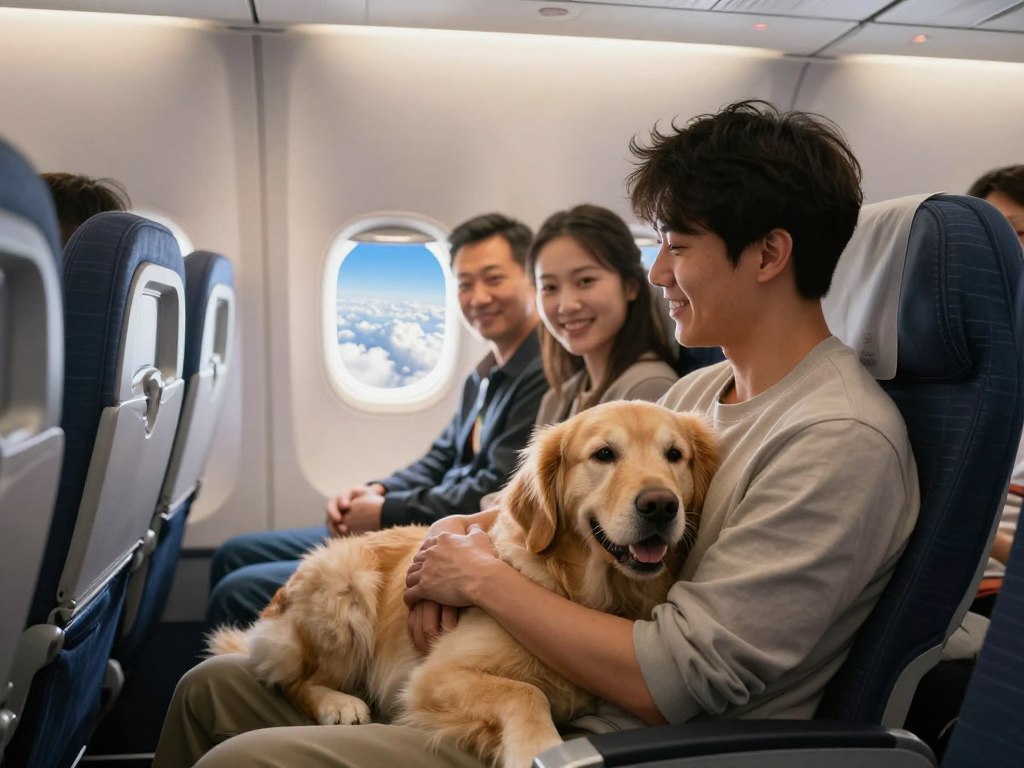
Mastering the logistics of flying with your dog starts long before you reach the airport. Navigating the complexities of air travel requires a strict flying with dogs checklist to ensure full compliance with airline regulations. By staying organized, you can make flying with pets a much smoother experience for both you and your furry friend.
Understanding Airline Pet Policies and Breed Restrictions
Every airline maintains its own unique set of rules regarding pet travel. You must verify specific requirements for breed, size, and the total number of animals allowed on each flight. Some airlines impose strict restrictions on brachycephalic or “short-nosed” breeds due to their known respiratory sensitivities at high altitudes.
Always check the official website of your chosen carrier well in advance. Failure to confirm these details can lead to unexpected issues at the check-in counter. Keeping a detailed flying with dogs checklist will help you track these specific requirements for every leg of your journey.
Choosing Between Cabin Travel and Cargo Hold
Deciding where your dog will stay during the flight is a major decision. Small dogs that fit in a carrier under the seat are usually permitted in the cabin. Larger dogs often must travel in the climate-controlled cargo hold, which requires extra preparation to ensure their safety and comfort.
Consider the following comparison to help you decide which method suits your pet best:
| Travel Method | Best For | Key Benefit | Primary Concern |
|---|---|---|---|
| Cabin | Small Dogs | Constant Supervision | Limited Space |
| Cargo | Large Dogs | Accommodates Size | Temperature Control |
| Service Animal | Certified Dogs | Travels with Owner | Strict Documentation |
Selecting the Right Airline-Approved Pet Carrier
Your choice of carrier is vital for your dog’s well-being during the trip. An airline-approved pet carrier must provide enough room for your dog to stand, turn around, and lie down comfortably. Look for models with sturdy ventilation panels and leak-proof bottoms to ensure a clean environment.
Soft-sided carriers are often preferred for cabin travel because they are flexible and fit easily under seats. Ensure the zippers are secure and the material is durable enough to withstand the journey. Investing in a high-quality carrier is a key step in flying with pets safely and effectively.
Navigating Airport Security and Boarding Procedures
When you are flying with pets, the airport experience is often the most challenging hurdle to clear. A smooth transition from the curb to your seat is possible when you follow a structured flying with dogs checklist to keep your pet calm and secure. By understanding the specific requirements of airport security, you can minimize stress for both you and your furry friend.
Preparing Your Dog for the Security Screening Process
Security checkpoints can be loud and crowded, which may startle even the most well-behaved dogs. Before you arrive, ensure your pet is comfortable wearing their harness and leash, as you will need to remove them from their carrier during the screening process. Consistency is key; practice walking through similar environments at home to build their confidence.
Always check the latest TSA guidelines for traveling with animals. Most agents will ask you to carry your dog through the metal detector while the empty carrier goes through the X-ray machine. Keeping your dog calm during this time helps the process move much faster.
Managing Stress and Anxiety During the Flight
To ensure a positive experience, choose the most direct flight possible to minimize the time your pet spends in transit. Reducing the total travel time is the best way to keep your dog relaxed. You might also consider using a familiar blanket or a favorite toy inside the carrier to provide a sense of security.
If your dog is prone to anxiety, consult your veterinarian about safe, natural calming aids. Proper preparation significantly reduces the risk of travel-induced stress. Remember that your own calm demeanor will help your dog feel more at ease throughout the journey.
Handling Layovers and In-Flight Pet Needs
Layovers require careful planning to ensure your dog remains comfortable and hydrated. If you have a long connection, look for designated pet relief areas within the terminal. These spaces allow your dog to stretch their legs and relieve themselves before the next leg of your trip.
Always carry a portable water bowl and offer small amounts of water during breaks. Avoid feeding your dog a large meal right before boarding to prevent potential digestive discomfort. The following table outlines key strategies for a successful trip:
| Strategy | Benefit | Frequency |
|---|---|---|
| Direct Flights | Reduces total stress | Every trip |
| Pet Relief Areas | Prevents accidents | During layovers |
| Familiar Toys | Provides comfort | Throughout flight |
| Hydration Breaks | Maintains health | Every 3-4 hours |
Planning Successful Road Trips with Dogs
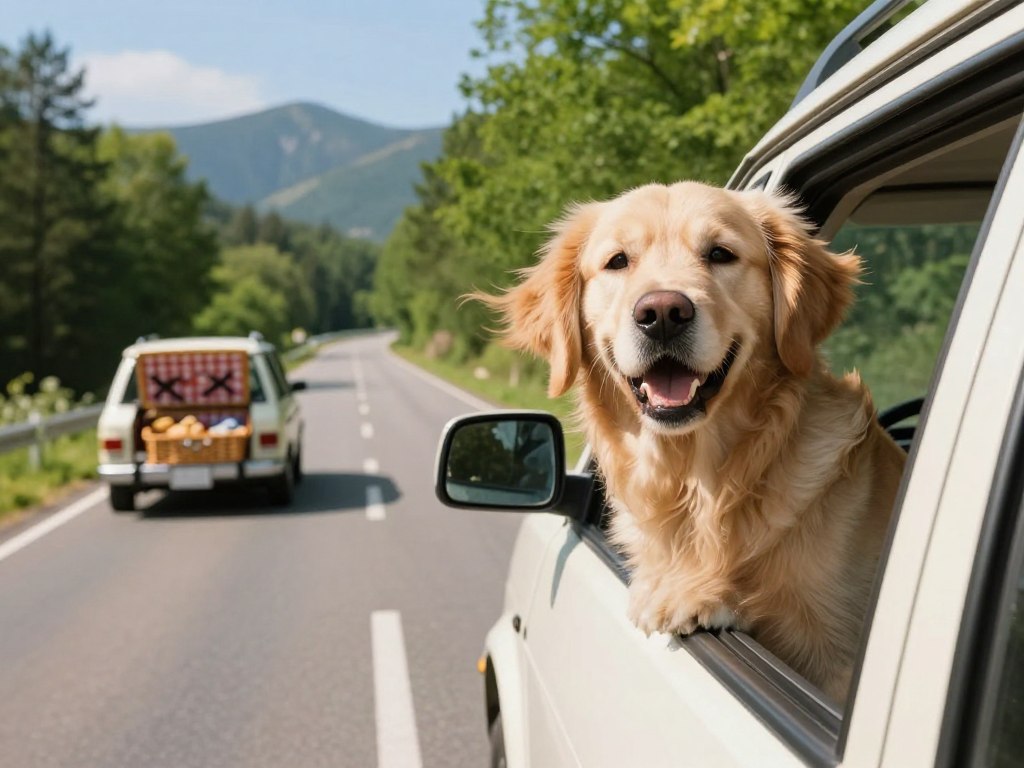
If you want to enjoy stress-free road trips with dogs, careful planning is your best friend. A well-thought-out route ensures that your pet stays happy and comfortable throughout the journey. By focusing on the needs of your animal, you turn a simple drive into a memorable bonding experience.
Designing a Dog-Friendly Travel Itinerary
When mapping out your route, look for pet-friendly activities for road trips that allow your dog to stretch their legs. Many national parks and scenic rest areas offer trails where leashed pets are welcome. You should prioritize stops that provide shade and water to keep your companion cool.
Researching your destination in advance helps you avoid surprises. Use online tools to find parks, pet-friendly cafes, and open spaces along your path. Planning ahead allows you to balance driving time with fun outdoor exploration.
Essential Safety Gear for Car Travel
Your dog’s safety is the most important part of any vehicle journey. Never let your pet roam freely inside the car, as this can be dangerous during sudden stops. Investing in the right equipment keeps everyone secure.
- Crash-tested harnesses that attach to the seatbelt system.
- Sturdy, well-ventilated crates for smaller dogs.
- Pet barriers to keep your dog in the back seat.
- Non-slip seat covers to protect your upholstery.
Managing Frequent Stops and Exercise Breaks
Even the most relaxed dogs need to move around during long drives. You should plan to stop every couple of hours for exercise and potty breaks to keep your dog comfortable. These breaks are vital for preventing restlessness and anxiety.
Use these moments to offer fresh water and a quick walk. Consistent breaks help your pet stay calm and make road trips with dogs much more enjoyable for the entire family. Always keep a leash handy so you can safely navigate rest stops and public areas.
Optimizing Your Vehicle for Pet Comfort
When planning road trips with dogs, the interior of your vehicle becomes their temporary home. Creating a space that balances safety with relaxation is essential for a smooth travel experience. By making a few strategic adjustments, you can ensure your pet remains calm and secure for the duration of your journey.
Securing Your Dog with Seatbelts and Crates
Safety is the most important factor when traveling on the highway. Sudden stops or sharp turns can easily injure an unrestrained pet, so using proper gear is non-negotiable. You have two primary options for keeping your dog stable:
- Crash-tested harnesses: These connect directly to your vehicle’s seatbelt system to keep your dog in one place.
- Sturdy travel crates: A crate provides a familiar, den-like environment that reduces anxiety during long drives.
Maintaining Proper Ventilation and Temperature Control
Your dog relies on you to manage their environment, especially when the weather turns warm. Proper airflow is vital to prevent overheating, which can happen quickly in a confined space. Always ensure that air conditioning reaches the back seat effectively.
Never leave a pet unattended in a car during hot weather, even for short periods of time. Temperatures inside a vehicle can rise to dangerous levels in just a few minutes, posing a severe risk to your dog’s health.
Protecting Your Car Interior from Fur and Dirt
Enjoying road trips with dogs shouldn’t mean sacrificing the cleanliness of your vehicle. Investing in high-quality protective gear allows you to focus on the scenery rather than the mess. Consider these simple solutions to keep your upholstery in top shape:
- Use waterproof seat covers to block mud, moisture, and loose fur.
- Place a non-slip mat on the floor to provide extra traction for your pet.
- Keep a dedicated cleaning kit, including a lint roller and travel-sized vacuum, within easy reach.
By taking these steps, you create a peaceful and clean environment that makes every mile more enjoyable. A well-optimized vehicle is the foundation of a successful adventure with your best friend.
Finding the Best Pet-Friendly Hotels Worldwide
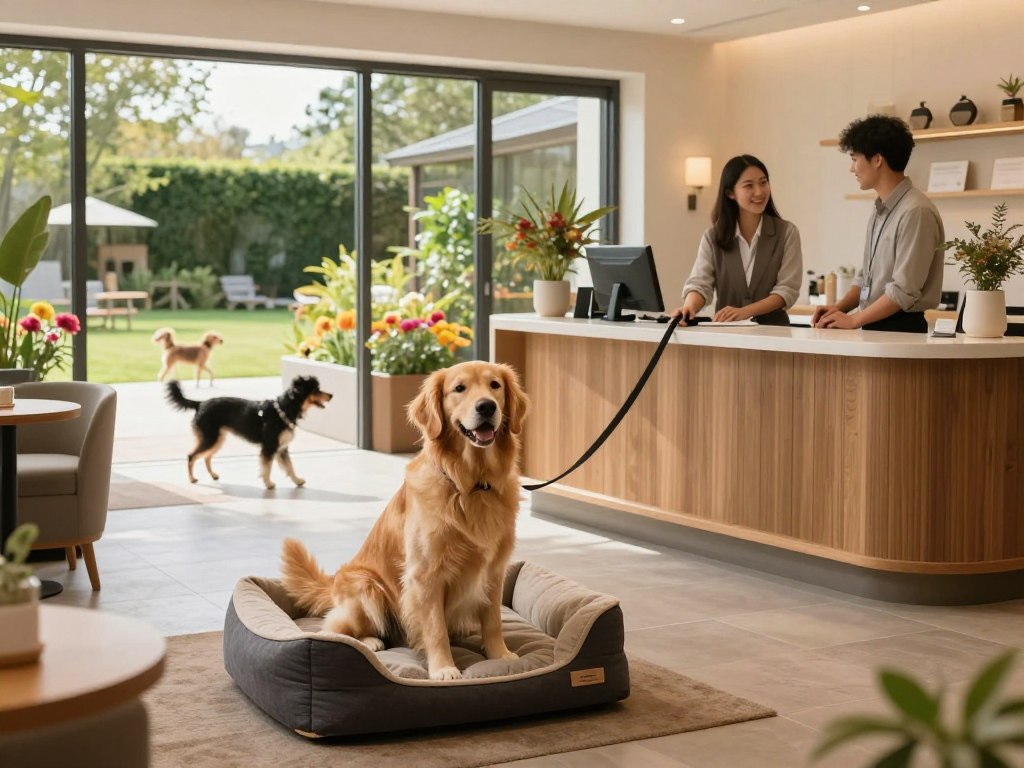
Planning a trip with your canine companion starts with securing the right home base. Because many properties have a limited number of rooms designated for pets, you should make your reservations well in advance to ensure availability. Finding the best pet-friendly hotels worldwide is much easier when you approach the process with a clear strategy.
Utilizing Booking Platforms for Pet-Friendly Filters
Modern travel websites have made it incredibly simple to narrow down your options. Most major booking platforms now include specific search filters that allow you to isolate properties that welcome animals.
- Select the “Pets Allowed” filter immediately when starting your search.
- Use map views to ensure the hotel is near parks or walking trails.
- Read recent guest reviews to see if other travelers had a positive experience with their dogs.
Verifying Hotel Pet Policies and Weight Limits
Never assume that “pet-friendly” means every animal is welcome. It is vital to check the specific rules for your chosen dog-friendly accommodations before you finalize your booking.
Some hotels enforce strict weight limits or breed restrictions that could catch you off guard. Always call the front desk directly to confirm that your specific dog meets their current requirements. Clear communication prevents disappointment upon arrival.
“The best travel experiences happen when you prepare for the needs of your pet as carefully as you prepare for your own.”
Understanding Additional Pet Fees and Deposits
Budgeting for your stay involves more than just the nightly room rate. Many establishments charge extra fees to cover the cost of deep cleaning after a pet departs.
These charges can vary significantly, ranging from a flat one-time fee to a daily surcharge. Always ask about refundable deposits, as some hotels may hold these funds to cover potential damages. By doing your homework, you can ensure that your chosen dog-friendly accommodations provide a comfortable and stress-free environment for both you and your pet.
Top Destinations for Dog-Friendly Travel
Your next great getaway starts with choosing from the top destinations for dog-friendly travel. Selecting the right location ensures that both you and your furry friend can enjoy a stress-free experience. Whether you prefer bustling urban centers or quiet mountain retreats, the world is becoming increasingly accessible to pets.
Exploring Pet-Friendly Cities in the United States
The United States offers a wealth of options for travelers with pets. Resources like Bring Fido are invaluable for identifying cities that prioritize canine comfort, from dog-friendly restaurants to expansive off-leash parks. Cities like Portland, Oregon, and Austin, Texas, consistently rank high due to their extensive trail systems and pet-welcoming culture.
“Traveling with a dog is not just about the destination; it is about the shared joy of discovery and the bond strengthened by every new mile traveled together.”
When planning your trip, consider the following comparison of popular pet-friendly urban environments:
| City | Off-Leash Parks | Pet-Friendly Dining | Walkability |
|---|---|---|---|
| Portland, OR | High | Excellent | Very High |
| Austin, TX | High | Very High | Moderate |
| San Diego, CA | Moderate | High | High |
International Destinations Welcoming to Canine Travelers
If you are looking to cross borders, many international locations are incredibly welcoming to dogs. Countries like Switzerland and Germany often allow pets on public transportation, making it easy to explore scenic landscapes together. European cities frequently feature pet-friendly cafes where your dog is treated as a welcome guest rather than an afterthought.
Always verify the specific entry requirements for your chosen country well in advance. Some nations have strict health documentation standards that must be met before arrival. Planning ahead ensures that your international adventure remains smooth and enjoyable for everyone involved.
Researching Local Laws and Leash Requirements
Even in the most welcoming areas, you must remain aware of local regulations. Every city has its own set of rules regarding leash requirements and restricted zones. Ignoring these laws can lead to unnecessary fines or restricted access to public spaces.
Before you arrive, check the official municipal website for the area you plan to visit. Understanding these guidelines helps you navigate public parks and urban streets with confidence. By respecting local ordinances, you contribute to the ongoing success of top destinations for dog-friendly travel for all pet owners.
Packing the Ultimate Dog Travel Kit
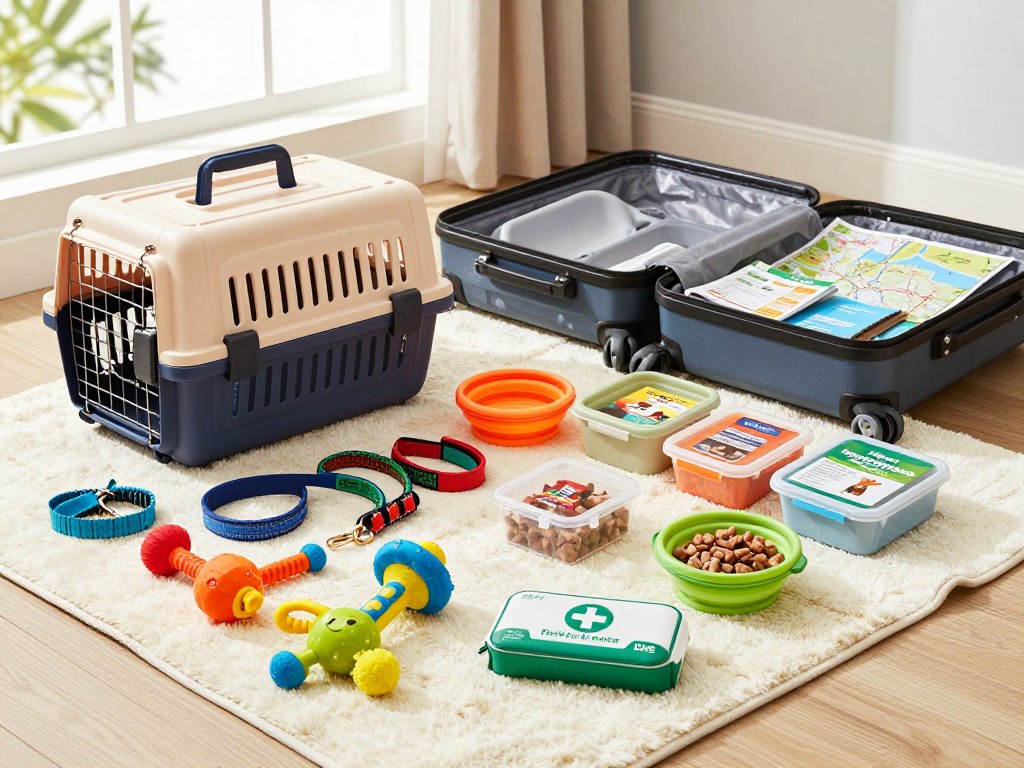
A well-organized travel kit is the secret to a stress-free adventure with your canine companion. Having everything you need in one place allows you to focus on the journey rather than worrying about missing supplies. Preparation is truly the key to a successful trip.
Essential Food and Hydration Supplies
Maintaining your dog’s diet is vital for their well-being while away from home. Always pack enough of their regular food to last the entire trip, plus a few extra days in case of delays. Collapsible silicone bowls are a game-changer for travelers because they save space and are incredibly easy to clean.
Do not forget to bring a portable water bottle or a dedicated canteen for your pet. Providing fresh, familiar water helps prevent digestive upset caused by changes in local water sources. Keeping these items accessible ensures your dog stays hydrated during long drives or airport layovers.
First Aid Kits for Canine Emergencies
Even the most careful travelers should prepare for the unexpected. A comprehensive canine first-aid kit should include bandages, antiseptic wipes, and tweezers for tick removal. Including a pet first-aid book is highly recommended so you can reference proper procedures during a stressful moment.
Your emergency kit must also contain a list of local veterinary clinics near your destination and your regular vet’s contact information. If your dog takes daily medication, ensure you have a sufficient supply and a copy of their prescription. Being ready for minor injuries or illnesses provides immense peace of mind.
Comfort Items and Familiar Toys
New environments can sometimes cause anxiety for even the most adventurous dogs. Bringing along a favorite blanket or a bed that smells like home helps your pet feel secure in a hotel room or a new house. Familiar toys serve as a great distraction and provide a sense of routine during downtime.
Consider packing a chew toy that keeps them occupied while you are busy unpacking or relaxing. These small comforts bridge the gap between your home and your destination. A happy, relaxed dog makes for a much better travel partner.
Managing Canine Nutrition and Hydration on the Road
A healthy, hydrated dog makes for a much more pleasant travel experience for everyone involved. When you are away from home, your pet relies on you to maintain their nutritional stability. By planning ahead, you can ensure your companion stays energized and comfortable throughout your adventure.
Preventing Travel-Induced Digestive Issues
Sudden changes in diet often lead to an upset stomach, which is the last thing you want while on the move. It is best to stick to the same food your dog eats at home to keep their system balanced. If you must switch brands, try to mix the new food with the old over several days.
“The secret to a happy pet on the road is consistency in their daily habits, especially when it comes to their bowl.”
Avoid giving your dog rich human snacks or unfamiliar treats during the trip. These can trigger travel-induced digestive issues that are difficult to manage in a car or hotel room. Keeping their diet simple will help them feel their best.
Safe Water Sources and Portable Bowls
Hydration is just as critical as food when you are traveling. Always carry a dedicated jug of cold water in your vehicle, as reliable sources may not be available at every stop. This ensures your dog has access to clean, familiar water at all times.
Invest in high-quality portable bowls that are easy to clean and store. Using a familiar bowl can also encourage a nervous dog to drink more frequently. Remember to offer water during every break to keep your pet refreshed.
Maintaining Consistent Feeding Schedules
Dogs thrive on routine, and travel can easily disrupt their internal clock. Try to keep your feeding schedules as close to their normal home routine as possible. If you usually feed them at 8:00 AM, aim to maintain that timing regardless of your location.
- Pack pre-measured portions to avoid overfeeding.
- Use a travel-friendly container to keep kibble fresh.
- Plan your stops around their meal times to allow for digestion.
Consistency helps reduce anxiety and keeps your dog feeling secure in new environments. By prioritizing these simple habits, you create a stable foundation for a successful and enjoyable trip together.
Handling Behavioral Challenges During Travel
Navigating new environments with your pet is rewarding, but it often requires a proactive approach to manage their behavior. Change can be overwhelming for even the most seasoned canine traveler. By recognizing the early signs of stress, you can ensure your journey remains a positive experience.

Addressing Barking and Separation Anxiety
Barking and anxiety often stem from a disruption in your dog’s daily routine. Physical and mental exercise before you head out is the most effective way to help your furry friend stay relaxed. A tired dog is far less likely to pace or vocalize when left alone in a hotel room.
If your dog struggles with separation, try leaving them for short periods initially. Use familiar items like a favorite blanket or a puzzle toy to provide comfort. These small steps help create a sense of security in an unfamiliar space.
Socializing Your Dog in New Environments
Introducing your dog to a new city requires patience and careful observation. Start by visiting quieter areas before moving into busy, high-traffic zones. This gradual exposure allows your pet to process new scents and sounds without feeling threatened.
Always watch for body language cues like tucked tails or pinned ears. If your dog seems overwhelmed, give them space to retreat and calm down. Positive reinforcement, such as treats or praise, will help them associate new places with safety and fun.
Managing Interactions with Other Pets and People
When visiting top destinations for dog-friendly travel, you will likely encounter many other animals and strangers. Always keep your dog on a leash unless you are in a designated off-leash area. This simple rule prevents unwanted run-ins and keeps everyone safe.
Ask permission before allowing your dog to greet others. Not every person or pet is comfortable with direct interaction, and respecting boundaries is essential. By staying alert and calm, you ensure that your trip remains a pleasant adventure for your canine companion.
Safety Protocols for Outdoor Adventures
Every outdoor adventure brings new excitement, but it also demands a proactive approach to your pet’s safety. When you engage in pet-friendly activities for road trips, you must remain vigilant about the environment surrounding your dog. Taking simple precautions ensures that your journey remains a positive experience for both you and your furry friend.
Identifying Hazards in Nature and Urban Settings
Nature offers beautiful trails, but it can hide dangers like steep drop-offs, toxic plants, or hidden water currents. Always keep your dog on a leash unless you are in a designated off-leash area. This simple act prevents your pet from wandering into dangerous territory or chasing local wildlife.
In urban settings, the risks shift toward heavy traffic, broken glass, and discarded food items. Stay alert to your surroundings and keep your dog close to avoid accidental ingestion of harmful substances. Being aware of these potential hazards is a cornerstone of successful pet-friendly activities for road trips.
Protecting Paws from Hot Pavement and Rough Terrain
Your dog’s paw pads are sensitive and can suffer severe burns on hot asphalt during the summer months. A good rule of thumb is to place the back of your hand on the pavement for seven seconds; if it is too hot for you, it is definitely too hot for your dog. Always seek out grassy paths or shaded areas to keep those paws cool and comfortable.
When hiking on rocky or rough terrain, consider using protective dog booties to prevent cuts and abrasions. Regularly inspect your dog’s feet after every outing to check for thorns, burrs, or signs of irritation. Taking these steps allows you to enjoy pet-friendly activities for road trips without worrying about painful injuries.
Preventing Wildlife Encounters and Parasite Exposure
Wildlife encounters can turn a peaceful hike into a stressful situation very quickly. Keep your distance from local animals and ensure your dog is up to date on all vaccinations to prevent disease transmission. It is also vital to use veterinarian-approved flea, tick, and heartworm preventatives before you leave home.
Check your dog thoroughly for ticks after every outdoor excursion, especially after walking through tall grass or wooded areas. By staying prepared, you can focus on the joy of discovery while keeping your pet safe from common environmental threats.
| Safety Category | Primary Risk | Prevention Strategy |
|---|---|---|
| Urban Surfaces | Hot Pavement | Walk during early morning or late evening |
| Nature Trails | Wildlife/Parasites | Use flea/tick prevention and keep on leash |
| Rough Terrain | Paw Injuries | Use protective booties and check pads daily |
| General Environment | Dehydration | Carry portable water bowls and fresh water |
Travel with Dogs – Flying, Road Trips, Pet-Friendly Hotels Worldwide: Legal Considerations
Crossing international lines with your canine companion requires more than just a leash and a sense of adventure. When you travel with dogs, you must navigate a complex web of legal requirements to ensure a smooth entry into your destination country. Proper preparation prevents unnecessary stress and keeps your pet safe throughout the journey.

Understanding International Pet Import Regulations
Every country maintains specific rules regarding the entry of animals. You must research the destination’s requirements well in advance, as some nations have strict mandates regarding breed restrictions or mandatory waiting periods. Always carry proof of rabies vaccination and a current, government-endorsed health certificate issued by a licensed veterinarian.
Managing Quarantine Requirements and Customs
Customs officials prioritize biosecurity, which means your pet may be subject to inspection upon arrival. While many countries have streamlined their processes, others may require a mandatory quarantine period if specific health criteria are not met. Being transparent with customs agents and having all your paperwork organized will help you travel with dogs more efficiently.
Keeping Digital Copies of Vaccination Records
Technology is your best friend when you are on the move. We highly recommend keeping digital copies of all vaccination records and health certificates in a secure cloud storage account. This ensures you have instant access to vital information if physical documents are misplaced or if an official requests a copy during your trip.
| Document Type | Purpose | Validity Period |
|---|---|---|
| Rabies Certificate | Proof of immunity | Usually 1-3 years |
| Health Certificate | General wellness | Often 10-30 days |
| Microchip Record | Unique identification | Lifetime |
| Import Permit | Legal entry authorization | Specific to trip |
By maintaining these records, you ensure that your ability to travel with dogs remains uninterrupted by bureaucratic hurdles. Staying organized is the key to enjoying your international adventures together.
Budgeting for Your Pet-Inclusive Vacation
Creating a budget for your pet-inclusive vacation ensures you can focus on making memories rather than worrying about unexpected costs. While the joy of traveling with your dog is priceless, the logistics often come with a price tag that requires careful planning. By mapping out your expenses early, you can enjoy a seamless adventure with your companion.
Estimating Costs for Pet Fees and Airline Tickets
Travel expenses for pets can add up quickly if you are not prepared. Most airlines charge a specific fee for pets traveling in the cabin, which can range from $100 to $250 per flight segment. Always check the specific airline policy well in advance to avoid last-minute surprises at the check-in counter.
Beyond airfare, remember to account for daily pet fees charged by many lodging providers. These fees are often separate from your room rate and can be a flat fee or a nightly surcharge. Keeping a dedicated travel fund for these specific costs will help you stay on track.
Planning for Unexpected Veterinary Expenses
Even the most well-planned trips can encounter minor hiccups. It is wise to contact your pet insurance company before you leave to understand how they handle emergencies when you are away from home. Knowing your coverage limits provides peace of mind while you are on the road.
You should also set aside an emergency fund specifically for your dog. This money can cover sudden visits to a local clinic or the cost of specialized supplies if your pet loses a favorite item. Having this financial cushion allows you to handle any situation with confidence.
Finding Affordable Pet-Friendly Accommodations
Finding affordable pet-friendly hotels worldwide is entirely possible with a bit of research. Many major hotel chains offer consistent pet policies that make it easier to predict your total costs. Booking your stay in advance often secures better rates and ensures that your preferred pet-friendly room is available.
Look for properties that offer pet amenities without excessive hidden charges. By comparing different locations and reading recent guest reviews, you can find high-quality lodging that fits your budget. Smart planning ensures that both you and your dog have a comfortable place to rest after a long day of exploration.
Maintaining Your Dog’s Routine While Traveling
Maintaining a sense of normalcy is the secret to a stress-free vacation with your canine companion. Dogs are creatures of habit, and they often feel most secure when their daily schedule remains predictable. By prioritizing consistency, you can help your pet feel safe even when staying in new dog-friendly accommodations.
The Importance of Consistent Exercise
Physical activity is the cornerstone of a healthy routine for any dog. Even when you are busy exploring a new city, try to schedule walks at the same times you would at home. This helps your dog regulate their energy and reduces the likelihood of anxiety-driven behaviors.
Consistent movement also aids in digestion and keeps your pet physically fit for long days of sightseeing. If your usual routine involves morning fetch or evening strolls, keep those sessions on the calendar. Your dog will appreciate the familiarity of these active moments.
Creating a Sense of Home in Hotel Rooms
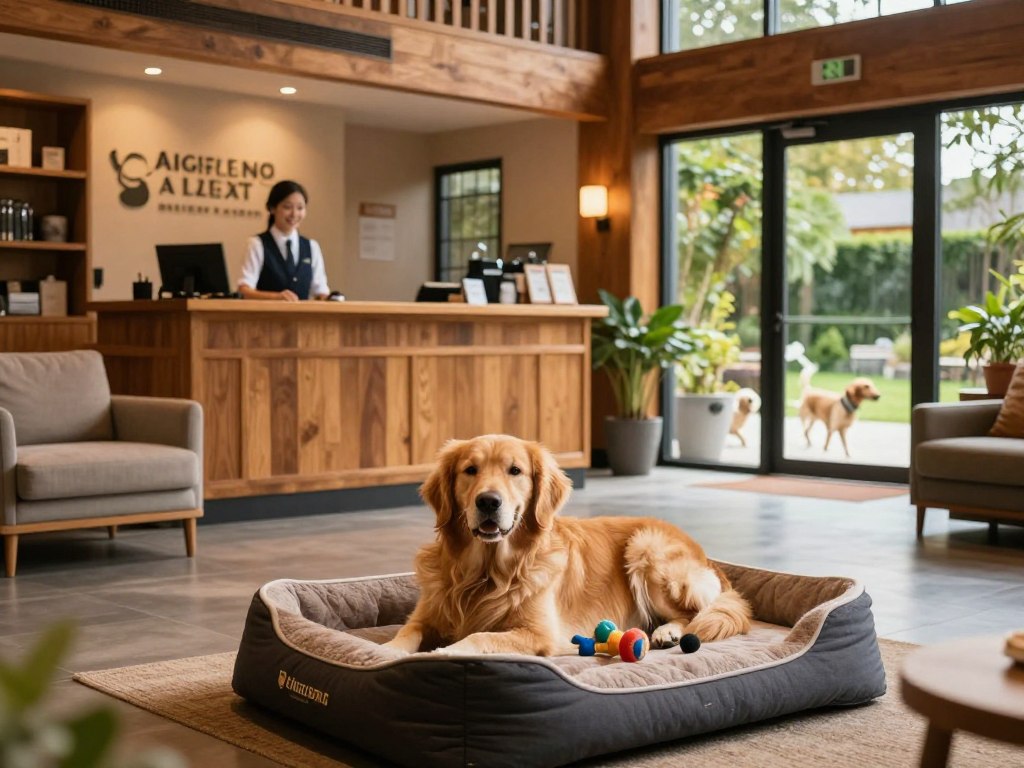
When you arrive at your destination, the environment can feel overwhelming to a pet. You can mitigate this by bringing familiar items that carry the scent of home. Pack their favorite blanket, a few beloved toys, and their regular food and water dishes.
“The comfort of a familiar object can turn a strange hotel room into a sanctuary for a nervous pet.” — Anonymous
Setting up a dedicated “dog corner” within your dog-friendly accommodations provides a safe space for your pet to retreat. Having their own bowl and bed nearby signals that they are in a secure environment. This simple step significantly eases the transition into a new space.
Balancing Activity and Rest Periods
It is easy to get caught up in the excitement of travel, but your dog needs downtime to recharge. Over-stimulating your pet can lead to exhaustion and irritability. Aim to balance high-energy outings with quiet periods where your dog can nap or relax.
Use the following table to help structure your daily schedule while staying in dog-friendly accommodations:
| Activity Type | Duration | Goal |
|---|---|---|
| Morning Walk | 30 Minutes | Energy release |
| Mid-day Rest | 2 Hours | Mental recovery |
| Evening Play | 30 Minutes | Bonding time |
| Nightly Sleep | 8+ Hours | Physical restoration |
By monitoring your dog’s behavior, you will learn when they need a break. Listening to your pet is the best way to ensure they remain happy throughout your journey. A well-rested dog is always a better travel partner.
Conclusion
Exploring the world with your canine companion creates memories that last a lifetime. Every mile traveled strengthens the bond you share while opening doors to new experiences. You now possess the knowledge to handle complex logistics with ease.
Applying the best travel tips for pet owners ensures that your focus remains on the joy of discovery. Preparation turns potential stress into smooth transitions. Your dog relies on your calm leadership to navigate busy airports or long stretches of highway.
Confidence grows with every successful trip you take. Whether you choose a mountain cabin or a bustling city, your pet will thrive with your consistent care. Utilize these best travel tips for pet owners to keep your furry friend safe and happy.
The world is full of pet-friendly wonders waiting for your arrival. Pack your bags, grab the leash, and head out toward your next destination. Your dog is ready to be your loyal partner on the road ahead.
FAQ
What are the best travel tips for pet owners who are planning their first long-distance trip?
How can I ensure I am following a proper flying with dogs checklist?
What should I look for when searching for dog-friendly accommodations?
What are the most important safety measures for road trips with dogs?
Where can I find the most reliable information on pet-friendly hotels worldwide?
What are some fun pet-friendly activities for road trips across the United States?
What are the top destinations for dog-friendly travel internationally?
Is flying with pets safe for all breeds?
What legal documents are required for international travel with dogs?